Understanding Flexo Printing Challenges in Label Production
Flexographic printing remains a dominant force in label and packaging production due to its versatility and speed. However, even seasoned operators encounter recurring issues that impact print quality and efficiency. Below, we explore common flexo printing problems, their root causes, and actionable solutions—with a focus on advancements like LED UV curing technology.
Poor Ink Adhesion on Substrates
Ink failing to bond with materials like polyethylene or metallic films is a frequent headache. Causes range from insufficient surface tension to incompatible ink formulations. For non-porous substrates, pre-treatment methods such as corona discharge or plasma treatment increase surface energy. LED UV curing systems enhance adhesion by instantly polymerizing inks, eliminating solvent evaporation delays. Ensure ink viscosity aligns with substrate specifications, and conduct regular dyne testing to verify material readiness.
Color Inconsistency Between Print Runs
Variations in hue or density across batches damage brand integrity. This often stems from inconsistent ink viscosity, worn anilox rollers, or environmental fluctuations. Implement closed-loop color management systems to monitor real-time adjustments. LED UV curing minimizes color shift by reducing heat exposure, which can alter pigment behavior. Standardize pressroom conditions (temperature: 20–24°C, humidity: 50–60%) and use high-quality inks with batch-specific documentation.
Dot Gain and Image Distortion
Excessive dot gain—where halftones appear larger than intended—blurs fine details. Contributing factors include excessive plate pressure, improper mounting tape hardness, or anilox volume mismatch. Opt for digital laser-engraved plates with precise relief depths. Pair them with ceramic anilox rollers featuring cell volumes tailored to your design’s LPI (lines per inch). LED UV curing’s rapid solidification reduces ink spreading, preserving edge sharpness even on intricate graphics.
Web Wrinkling in Narrow Web Presses
Wrinkles in film or paper substrates disrupt registration and waste material. Tension imbalances, misaligned rollers, or uneven heat distribution are typical culprits. Install automatic web guides and load cells to maintain uniform tension. For UV-flexo hybrid setups, LED curing’s cooler operation prevents thermal expansion of thin films. Regularly inspect roller bearings and ensure all components are parallel within ±0.001 inches.
Slow Curing and Residual Odors
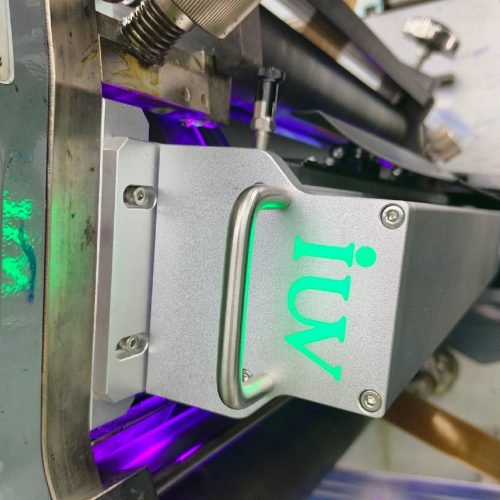
Traditional mercury-vapor UV lamps often leave uncured ink residues, causing odor and safety concerns. LED UV systems emit targeted wavelengths (365–405 nm) for faster, complete curing without ozone generation. They achieve 99% cure rates in milliseconds, even with opaque whites or thick coatings. For food-grade labels, pair LED curing with low-migration inks to meet FDA and EU compliance standards.
Plate Wear and Short Lifespan
Premature plate degradation increases downtime and costs. Abrasive substrates, excessive impression pressure, and improper storage accelerate wear. Use durable photopolymer plates (50–70 Shore A hardness) for long runs. Implement plate protection protocols: clean with pH-neutral solutions, store in anti-ozone cabinets, and avoid direct sunlight. LED UV’s reduced IR radiation also lessens thermal stress on plates compared to conventional drying methods.
Ink Drying on Anilox Rollers
Solvent-based inks drying in roller cells clog patterns and reduce transfer efficiency. Switch to UV-curable inks, which remain liquid until exposed to LED light. For hybrid systems, install chambered doctor blades and automated roller cleaning systems. Maintain 40–60% relative humidity to slow solvent evaporation in non-UV setups.
Optimizing Flexo with LED UV Curing
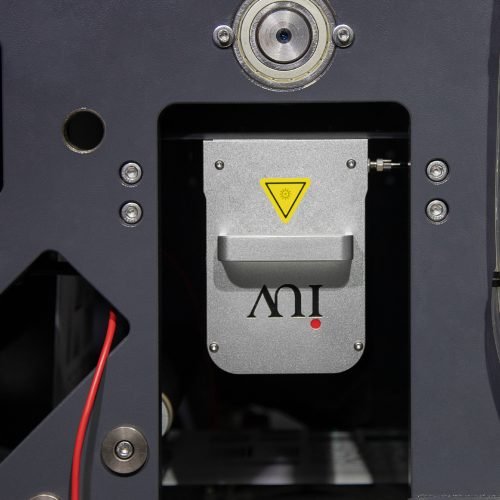
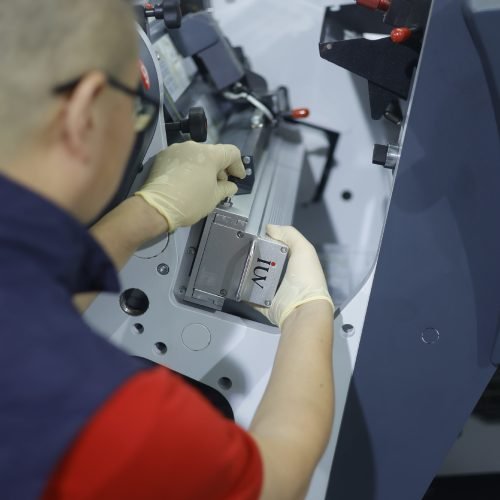
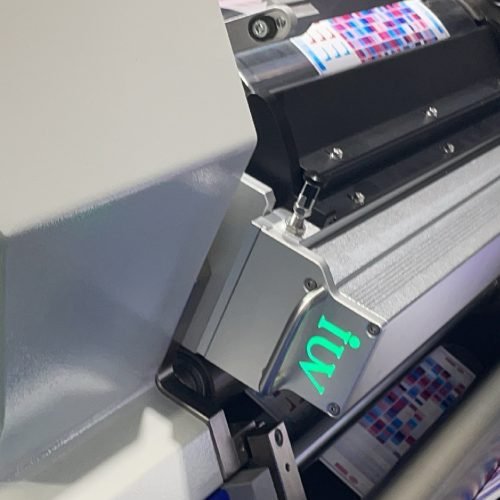
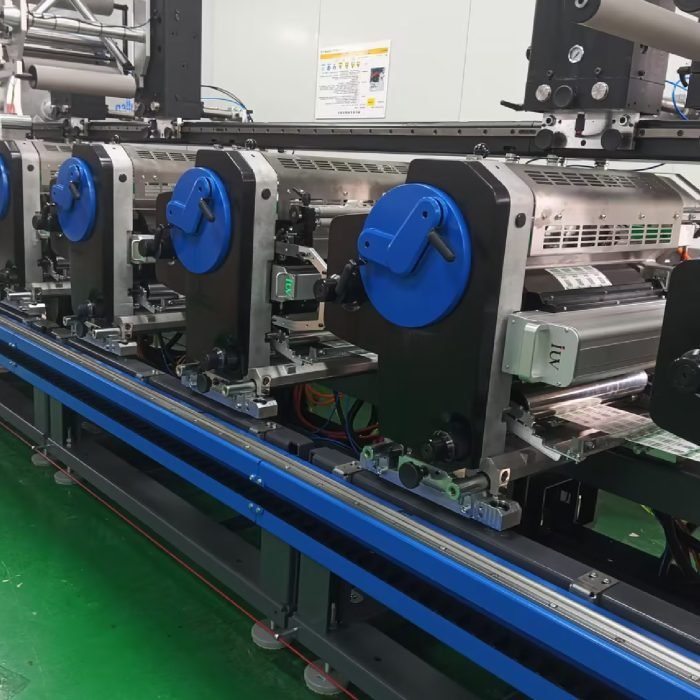
Integrating LED UV technology addresses multiple pain points simultaneously. Its energy efficiency cuts power costs by 60–70% versus traditional systems, while instant on/off functionality eliminates warm-up delays. The absence of mercury supports sustainability goals and simplifies disposal. For narrow web printers, retrofitting existing presses with LED modules is cost-effective, boosting competitiveness in custom label markets.
Final Considerations for Flawless Output
Regular maintenance remains non-negotiable. Schedule weekly inspections of anilox rollers, plates, and UV lamp arrays. Train operators to recognize early signs of issues like ink starvation or misregistration. Collaborate with ink suppliers to tailor formulations for specific substrates and curing methods. By combining process discipline with LED UV advancements, flexo printers achieve consistent, high-margin results across diverse applications—from shrink sleeves to pharmaceutical labels.