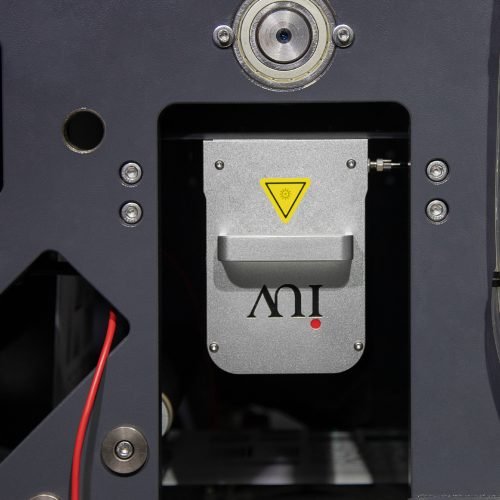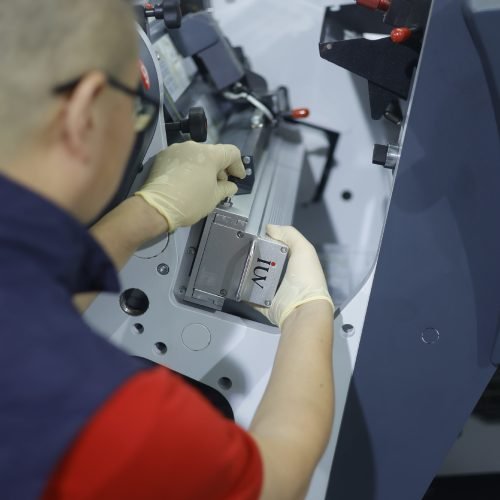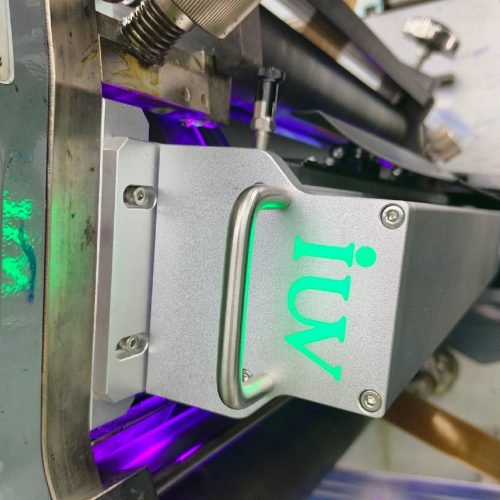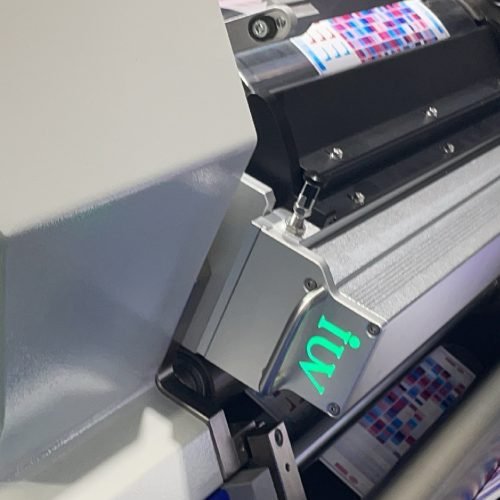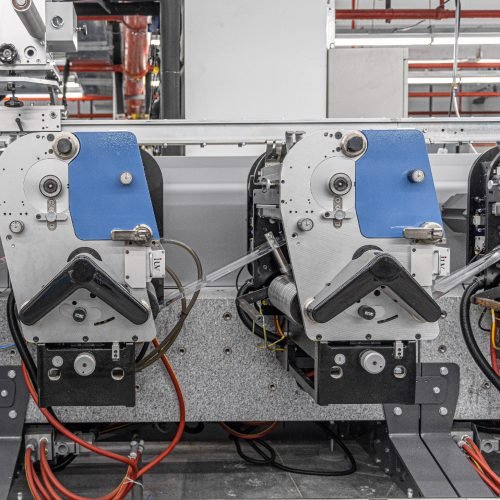
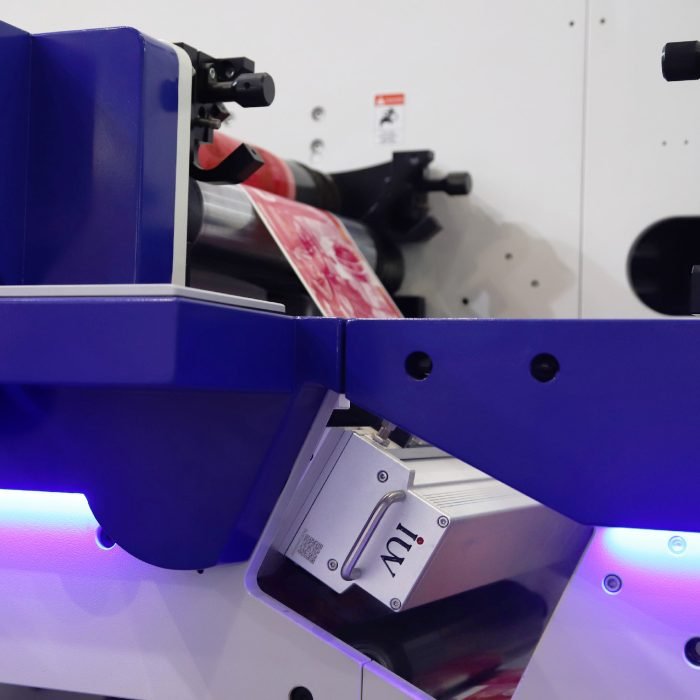
In the competitive world of label printing, achieving eye-catching color intensity separates premium products from generic alternatives. Traditional drying methods often leave pigments looking duller than intended due to ink absorption into substrates. UV curing systems revolutionize this process through controlled photopolymerization – a game-changer for flexographic, offset, and narrow web applications.
Modern LED-UV lamps activate specialized inks and coatings within milliseconds, locking pigments at the substrate surface before spreading occurs. This surface-level curing creates sharper dot reproduction in flexo printing, particularly beneficial for fine text and gradient effects on pressure-sensitive labels. Offset printers gain cleaner color transitions in metallic inks that typically lose luster with conventional drying.
Narrow web converters face unique challenges with heat-sensitive films and thin materials. UV systems eliminate thermal distortion risks while enabling faster job turnover – crucial for short-run specialty labels in cosmetics or craft beverages. The instant cure capability allows immediate die-cutting or lamination without waiting for inks to air-dry, reducing production bottlenecks.
Three factors directly impact color vibrancy in UV-cured labels:
- Spectral matching between UV lamps and photoinitiators in inks
- Oxygen inhibition control through nitrogen inerting or dual-cure formulations
- Substrate surface energy optimization for proper ink anchorage
Advanced LED arrays now offer tunable wavelengths (365-405nm) to match specific ink chemistries. This precision prevents under-curing (resulting in tacky surfaces) and over-curing (which can yellow substrates). Printers using white inks particularly benefit from tailored UV spectra that maintain opacity without multiple passes.
Hybrid curing systems combine UV with other technologies for specialty effects. A flexo shop printing champagne labels might layer UV gloss varnish over EB-cured metallic inks, creating depth that catches light from every angle. Others use UV as a primer for water-based inks on polyolefin films, achieving vibrant colors without corona treatment.
Energy efficiency plays an unexpected role in color consistency. Traditional mercury vapor lamps intensity fluctuates as electrodes degrade, leading to uneven curing. LED systems maintain stable output over 20,000 hours, ensuring every label batch matches color proofs exactly. Milwaukee-based craft breweries found their seasonal ale labels maintained 98% color consistency across 12-month production runs after switching to LED-UV.
Substrate compatibility remains critical. While UV performs exceptionally on coated papers and synthetic films, uncoated stock may require pretreatment. Atmospheric plasma units integrated with UV tunnels increase surface energy from 32 dynes/cm to 56 dynes/cm, enabling vibrant prints on kraft paper and recycled materials.
Post-cure effects influence final appearance. Overcured UV inks can develop micro-wrinkles that scatter light differently, making reds appear more orange. Skilled operators use infrared sensors to monitor peak exotherm temperatures, adjusting conveyor speed to stay within ink manufacturers’ recommended 80-120°C range.
The latest innovation involves UV-curable digital inks for hybrid presses. Screen printers combine analog vibrancy with digital variable data capabilities for limited-edition wine labels. A Napa Valley vineyard increased direct sales by 40% using UV-coded batch numbers that shimmer under blacklight – a security feature doubling as marketing intrigue.
Maintenance practices directly affect color output. Quartz sleeves on UV lamps require weekly ethanol wiping to prevent haze that filters UV rays. Reflective aluminum tunnels need quarterly polishing to maintain 95% reflectivity. Neglecting these tasks can reduce curing efficiency by 30%, forcing operators to slow production speeds and risk incomplete ink polymerization.
As brands demand labels that pop under retail lighting, UV technology adapts. New photoinitiators sensitive to UV-A wavelengths ensure colors remain vibrant even under LED store fixtures that emit minimal UV. This addresses the “retail fade” phenomenon where magenta tones appear dull under certain lighting.
Future developments point toward UV-LED systems with integrated spectrometers. These closed-loop systems automatically adjust wavelength intensity based on real-time ink cure measurements, potentially eliminating manual press approvals. Early adopters in pharmaceutical labeling report 30% faster job changeovers while maintaining strict color tolerances for compliance packaging.
For printers considering the transition, start with a UV retrofit kit on existing flexo stations. Focus on high-value applications like opaque whites or neon Pantones where UV’s advantages justify initial costs. Track color density measurements pre/post-installation – most shops see 15-20% increase in density uniformity. As throughput improves and waste decreases, reinvest savings into full-line UV integration.
Brand owners increasingly specify UV-cured labels for premium product lines, recognizing the technology’s ability to translate digital designs into physical vibrancy. A recent survey showed 68% of consumers perceive UV-printed labels as indicative of higher quality. In markets where shelf impact dictates success, that perceptual edge converts to measurable sales lifts.
Operators must balance energy inputs with desired effects. While UV delivers unparalleled color, unnecessary over-curing wastes power and may degrade substrates. Smart curing protocols that adjust intensity based on substrate thickness and ink coverage can cut energy use by 40% without sacrificing quality.
The true test comes in side-by-side comparisons. Print a complex cosmetic label with CMYK Orange Green using both conventional and UV curing. Under magnification, UV versions show crisper halftone dots and cleaner overprints. Metallic inks exhibit mirror-like reflectivity rather than the hazy patina from oxidative drying.
Color management workflows need tweaking for UV’s unique characteristics. Expect to recalibrate ICC profiles, as UV inks sit differently on substrates compared to solvent-based alternatives. Proofing systems should account for the slight gloss differential caused by instant curing.
Regulatory factors are driving adoption in food packaging. UV formulations with low migration photoinitiators meet FDA 21 CFR requirements while maintaining color intensity – a critical factor for private-label organic snacks competing against national brands.
On the horizon: bio-based UV inks derived from soybean and linseed oils. Early trials show comparable color density to petroleum-based options with the bonus of renewable sourcing claims. Pairing these with energy-efficient LED curing could position printers as sustainability leaders without compromising visual impact.
The conversation around color vibrancy ultimately ties to brand storytelling. A craft distillery’s limited-edition bourbon label isn’t just packaging – it’s a visual manifesto. UV curing provides the technological backbone to translate creative visions into shelf-ready reality, one photon-initiated polymer chain at a time.