Label printing might seem straightforward until you dive into the mechanics. Let’s start with the basics: labels aren’t just stickers. They’re functional, durable, and often critical for branding or compliance. Whether you’re printing wine bottle labels or industrial safety tags, the process hinges on three core methods—flexographic, offset, and narrow web printing. Each has its quirks, and pairing them with the right curing tech (like LED UV) can make or break your output.
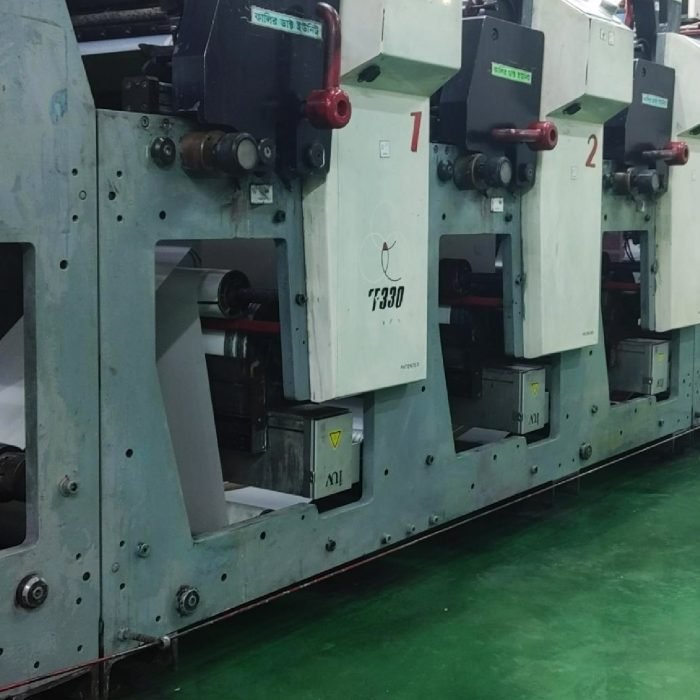
Flexographic printing dominates high-volume jobs. Think beverage cans or snack packaging. It uses flexible photopolymer plates and fast-drying inks, making it ideal for materials like film, foil, or textured paper. The trick lies in plate precision—even a 0.1mm misalignment can blur fine text. Modern flexo presses integrate servo motors for tighter registration, but ink viscosity still needs constant monitoring. Too thick, and you get uneven coverage; too thin, and colors bleed.
Offset printing steps in when detail matters. Unlike flexo’s direct plate-to-substrate contact, offset uses a rubber blanket to transfer ink. This indirect method sharpens gradients and tiny fonts, perfect for cosmetic labels or luxury goods. The catch? Setup time. Washing plates, adjusting ink-water balance, and dialing in pressure settings eat hours. For short runs, it’s overkill. But for 10,000 labels with complex artwork, nothing beats offset’s crispness.
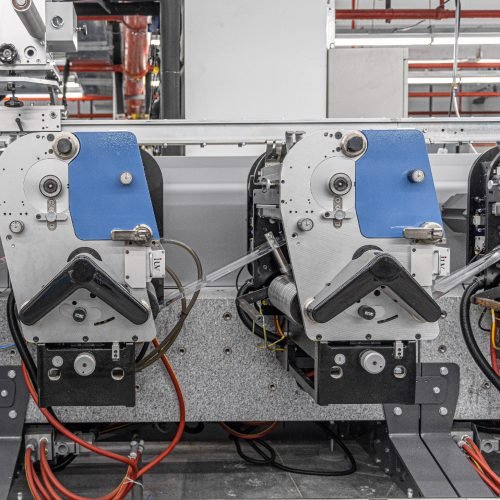
Narrow web printing is the hybrid workhorse. Using presses under 20 inches wide, it handles everything from pressure-sensitive labels to shrink sleeves. Its versatility comes from modular setups—swap dies, inks, or finishing units without halting production. The real game-changer here is inline finishing. Imagine printing, die-cutting, and laminating in one pass. Speed-to-market matters, and narrow web delivers.
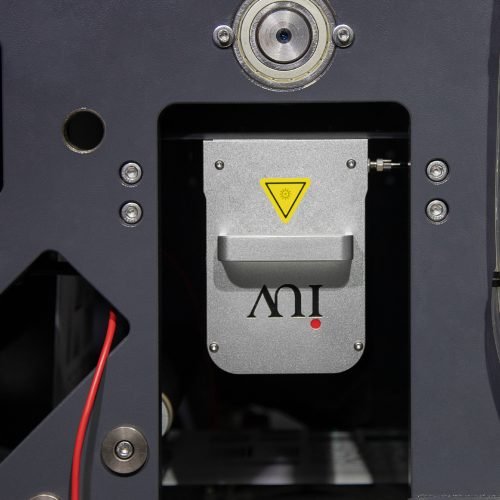
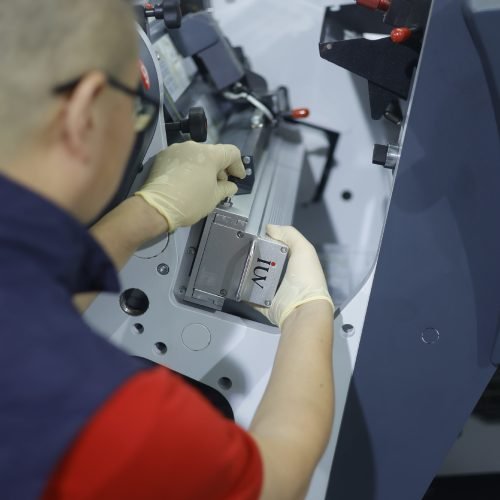
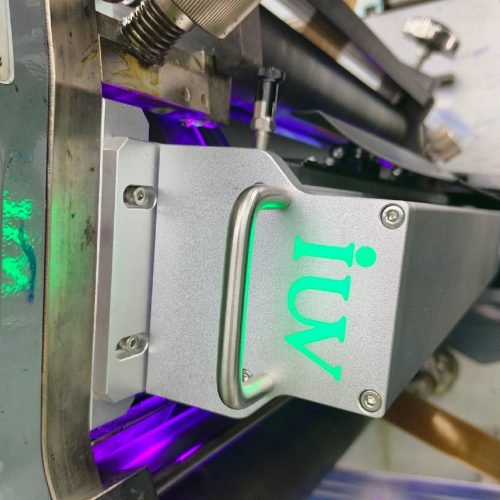
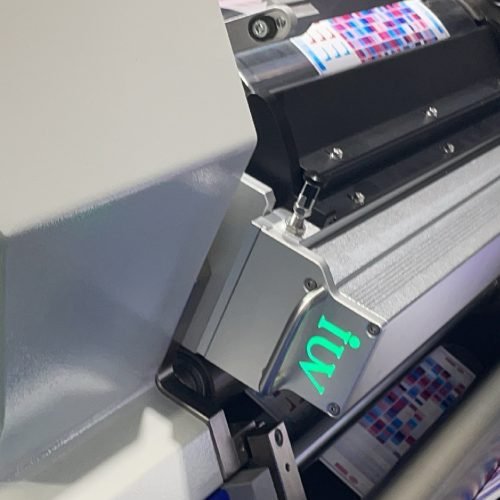
Now, let’s talk about the silent hero: curing. Traditional solvent-based inks dry by evaporation, which is slow and fume-heavy. UV curing uses light to polymerize inks instantly. Enter LED UV—a cooler, greener alternative to mercury-vapor lamps. LEDs emit specific wavelengths (365-405nm), triggering photoinitiators in the ink without excessive heat. No ozone, no warm-up time, 50% less energy. For heat-sensitive substrates like thin films or retroreflective labels, this is gold.
But LED UV isn’t plug-and-play. Inks must match the LED’s peak wavelength. Mismatch? Incomplete curing and sticky labels. Adhesion also varies by material—polypropylene might need primers, while paper absorbs better. Press speed affects exposure time; a 200fpm press needs higher-intensity LEDs than a 100fpm one. And don’t forget oxygen inhibition. Some UV inks form tacky surfaces when airborne oxygen interferes. Nitrogen inerting helps, but adds cost.
Substrate choice is another minefield. Paper labels? Easy. But synthetic materials like PET or polyolefins demand pretreatment. Corona discharge or flame treatment raises surface energy, letting inks bond chemically rather than just mechanically. For metallic finishes, cold foil stamping pairs well with LED UV—no heat means foil doesn’t curl.
Ink selection ties everything together. Water-based inks work for porous materials but struggle with synthetics. UV inks offer scratch resistance and gloss but require curing rigs. Hybrid inks (like UV-flexo) combine quick drying with flexo’s simplicity. Then there’s the Pantone vs. CMYK debate. Spot colors ensure brand consistency, but CMYK cuts costs for multicolor designs. Want metallic or fluorescent effects? That’s where specialty inks shine.
Maintenance is the unsung chore. Print heads clog, anilox rollers wear, and LED arrays degrade. A 10% drop in LED intensity can lead to under-cured ink. Daily checks: clean lenses, inspect rollers for nicks, and run test patches. Anilox volume matters—too much ink floods details; too little causes banding. Laser-engraved ceramic rollers last longer than chrome ones but cost triple.
Regulatory hoops vary by industry. Food labels need FDA-compliant inks; pharmaceuticals require tamper-evident features. Sustainability pressures are rising—recyclable liners, soy-based inks, and energy-efficient LED curing all check ESG boxes.
The future? Digital hybrid presses. Imagine combining inkjet’s variable data with flexo’s robustness. Or conductive inks for smart labels with embedded sensors. LED UV will keep evolving—higher wavelengths for thicker coatings, lower energy draw.
Label printing isn’t just about putting ink on paper. It’s a dance of chemistry, engineering, and design. Master the steps, and your labels won’t just stick—they’ll sell.