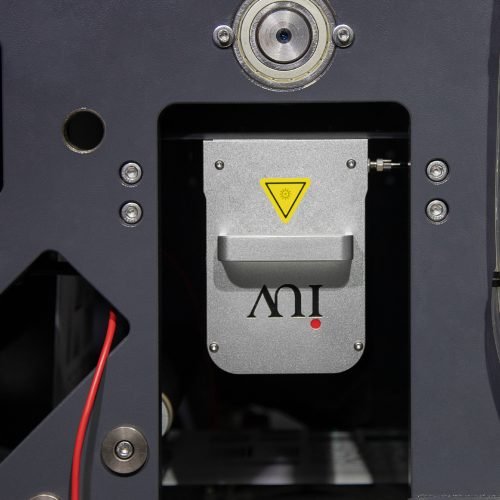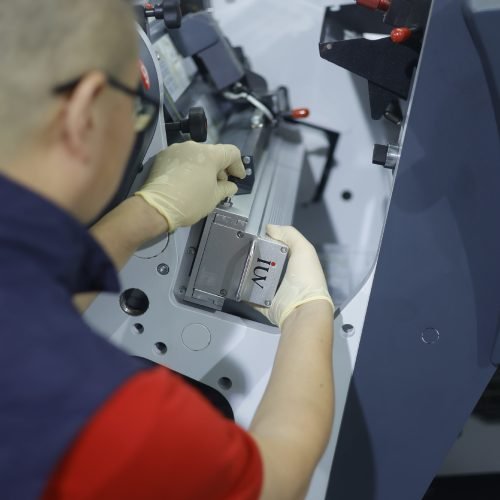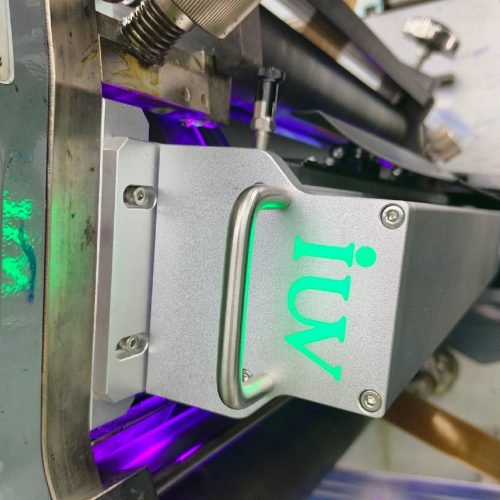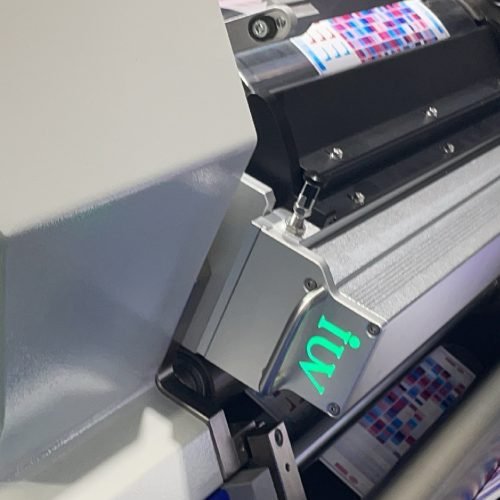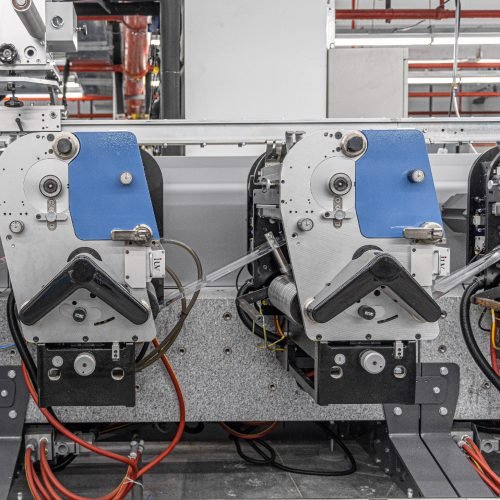
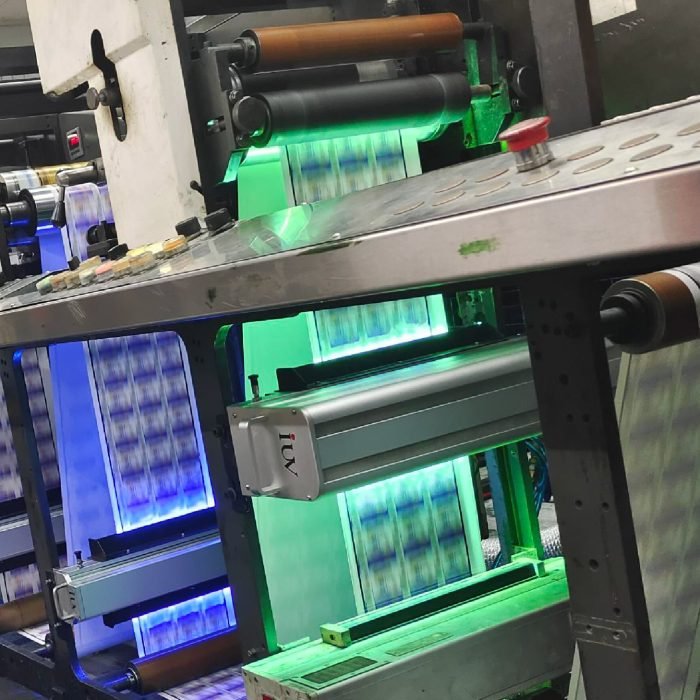
Label printing demands precision, and offset presses bring a unique flavor to the table. While flexographic and digital methods dominate the tags on your shampoo bottle or craft beer can, offset lithography carves out its niche where color fidelity and fine detail matter. The process relies on etched plates transferring ink to a rubber blanket before hitting the paper—a dance that achieves razor-sharp typography and gradient-rich images. But here’s the twist: modern label printers are marrying this old-school technique with LED UV curing, creating hybrids that sidestep traditional limitations.
Offset’s strength lies in its color consistency across long runs. A Coca-Cola red stays identical from the first label to the 50,000th, crucial for brands guarding their visual identity. The method handles Pantone spot colors with ease, avoiding the CMYK gamut limitations of digital printing. Yet anyone who’s operated a sheetfed offset press for labels knows the pain points—slow drying oil-based inks clash with the need for rapid turnaround. Enter LED UV. By instantly curing inks as they hit the substrate, this technology slashes drying time from hours to milliseconds. No more powder sprayers, no more waiting racks. The result? Labels that can be die-cut, foiled, or packed immediately after printing.
Narrow web presses adapted for offset bring another layer of flexibility. Unlike wide-web systems built for cereal boxes, these machines handle smaller label rolls while maintaining registration tighter than a Swiss watch. Combine that with UV curing, and you’ve got a setup that prints on heat-sensitive materials without warping—think thin film labels for frozen foods or metallic finishes on premium cosmetics. The LED arrays themselves have evolved, with wavelengths now tuned to cure thick white undercoats in a single pass, a game-changer for opaque labels on transparent packaging.
But let’s not romanticize offset for labels. The plate costs sting for short runs, making digital more economical under 5,000 units. Washup between jobs eats into productivity, though automated plate changers help. And while UV curing solves many drying issues, it introduces new chemistry puzzles. Inks must balance curability with adhesion to non-porous stocks—ever tried getting UV ink to stick to PET without primer? It’s like convincing a cat to take a bath.
The sustainability angle plays both ways. LED UV’s energy efficiency and lack of VOCs check eco-boxes, but offset’s aluminum plates and solvent cleaners still leave a footprint. Some shops now use waterless offset systems paired with UV to cut chemical use, a combo that’s gaining traction among organic skincare brands needing compostable labels.
Flexo loyalists argue their process handles variable data better, but offset isn’t sitting still. Hybrid presses now integrate digital units for barcodes or sequential numbering inline. Imagine offset-printed wine labels where each bottle’s vintage data gets laser-etched during the same pass. The tactile element also matters—offset’s ability to lay down thick ink layers creates raised textures that flexo struggles to match, perfect for luxury embossed effects without secondary foiling.
Registration remains offset’s crown jewel. Multicolor designs stay aligned even at 300 feet per minute, something rotary screen printing can’t touch. When a craft brewery wants photorealistic hop illustrations wrapping around a can, offset delivers where other methods pixelate. Add UV’s ability to cure each color before the next hits, and you eliminate dot gain issues that plague wet-on-wet printing.
The learning curve bites hard, though. Offset operators need an alchemist’s touch—balancing ink viscosity, water levels, and roller temperatures. UV adds another variable, requiring precise control of lamp intensity and conveyor speed. Get it wrong, and you’ll have either uncured ink smears or brittle, over-cured layers that crack during application.
Material compatibility keeps expanding. Early UV systems struggled with heat-sensitive substrates, but today’s LED arrays emit minimal IR radiation. Now you’re printing on heat-shrink films for sports drink labels or delicate synthetic papers for outdoor equipment tags. The latest trick? Using UV offset to print conductive inks for smart labels with embedded NFC chips—a frontier where traditional methods can’t compete.
Cost per label still favors flexo for simple designs, but offset shines when complexity escalates. A label with eight colors, metallic accents, and textured varnishes becomes cost-effective at mid-range volumes where digital’s per-unit pricing stays high. The sweet spot emerges when brands need 10,000-100,000 units with premium finishes that digital can’t replicate.
Maintenance throws a wrench. UV lamps demand regular replacement, and offset’s intricate roller systems need daily calibration. Yet shops that master the rhythm find gold in specialty markets—think limited-edition concert merch labels or collectible coffee sleeves with holographic effects. The hybrid approach lets them switch between offset for base colors and digital for personalization, all under one roof.
In the end, it’s about matching technology to the job’s soul. Offset with LED UV isn’t the answer for every label, but when the design calls for depth, precision, and that indefinable “wow” factor, it’s the silent workhorse making magic happen. As substrates get wilder and sustainability pressures mount, this marriage of old and new tech keeps rewriting what’s possible in a world where every product fights for shelf space.