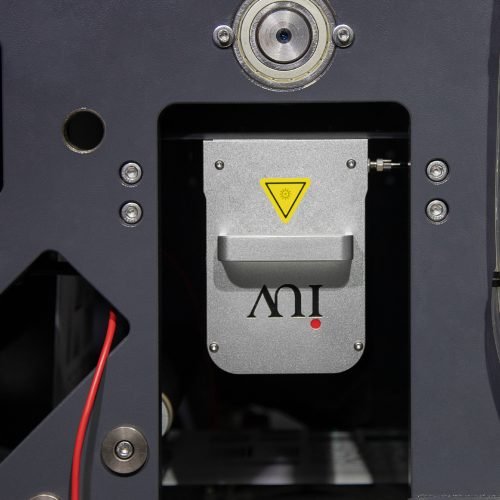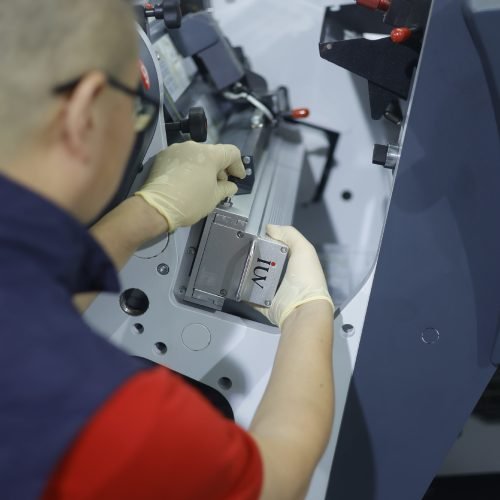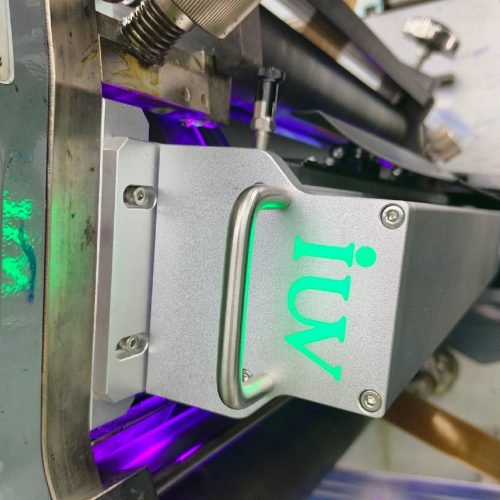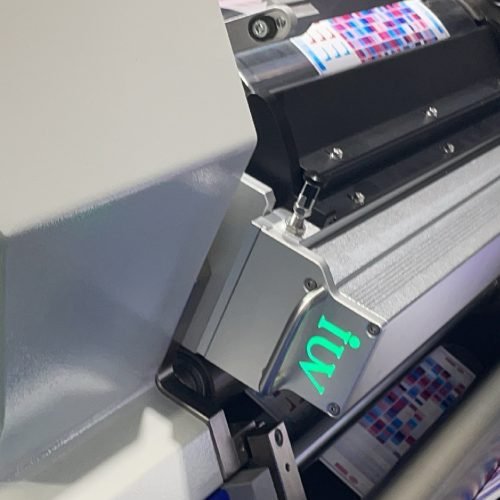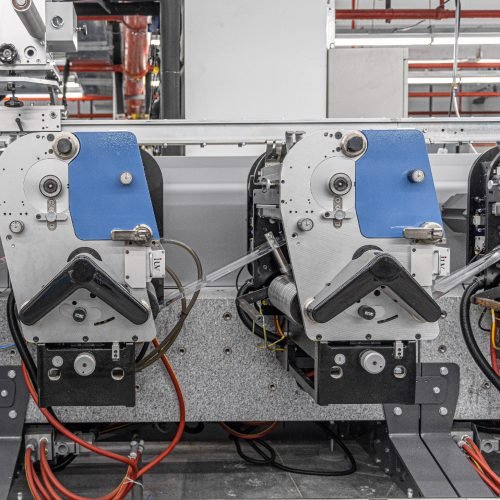
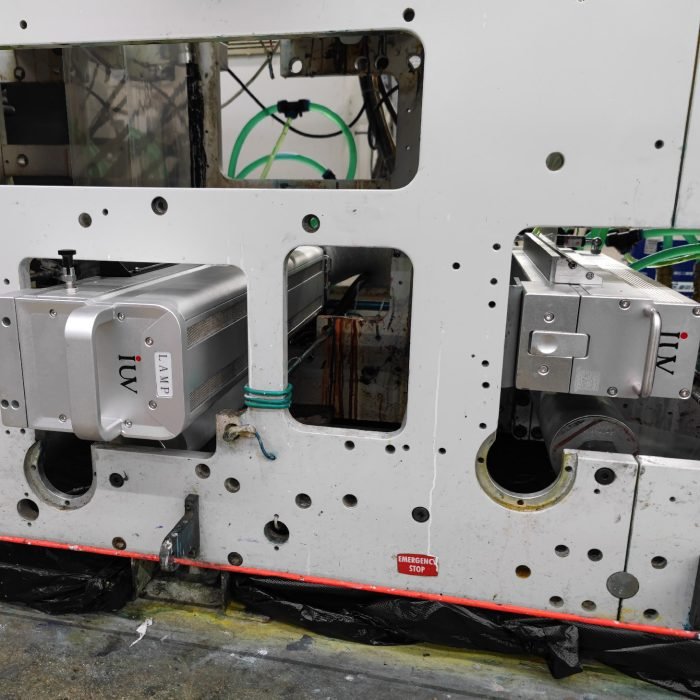
The label printing industry faces mounting pressure to adopt eco-friendly practices without compromising efficiency. Traditional curing methods often involve mercury-vapor lamps consuming excessive energy while generating heat and ozone emissions. LED UV curing systems emerged as a game-changer, particularly for narrow web flexo and offset presses handling pressure-sensitive labels, shrink sleeves, and flexible packaging. Unlike conventional drying methods requiring lengthy warm-up periods, LED units achieve full operational capacity instantly, eliminating standby energy drain during job changeovers.
Flexographic printers transitioning to LED UV report 40-60% energy reduction compared to traditional UV curing. The directional nature of LED light minimizes scatter loss, ensuring 95% energy directs precisely where ink or coating requires polymerization. This precision becomes critical when printing on heat-sensitive substrates like thin films or temperature-affected adhesives. Cold curing prevents material warping, reducing misregistration issues that typically lead to waste during long runs.
Offset printers benefit from LED’s instant on/off capability during sheetfed operations. The absence of infrared radiation keeps paper dimensions stable, maintaining color-to-color registration accuracy. One case study revealed a 23% reduction in paper waste for a label converter switching from conventional UV to LED curing on their 8-color offset press. Faster curing speeds allow immediate handling of printed sheets, minimizing smudging-related rejects common with solvent-based inks.
Narrow web converters appreciate how LED UV enables thinner ink films without sacrificing opacity. A 3-micron LED-cured ink layer often achieves coverage equivalent to 5-micron solvent-based counterparts, directly reducing raw material consumption. The technology’s compatibility with low-migration inks proves invaluable for food and pharmaceutical labels where safety regulations demand stringent control over chemical residuals.
Three operational factors amplify LED UV’s sustainability impact in label production. First, the extended lamp lifespan (20,000 hours vs. 1,000-2,000 hours for mercury lamps) dramatically cuts hazardous waste from frequent bulb replacements. Second, mercury-free technology eliminates disposal complications associated with traditional UV systems. Third, LED-optimized inks contain higher pigment loads, enabling color matching with less ink volume – crucial for short-run digital label jobs where setup waste disproportionately affects environmental metrics.
Implementing LED UV requires strategic adjustments. Printers must collaborate with ink suppliers to formulate chemistries matching specific LED wavelengths (typically 365-395nm). Hybrid curing systems combining LED and conventional UV offer transitional solutions for operations handling diverse substrates. Properly engineered reflector designs prevent oxygen inhibition – a common challenge causing surface tackiness in free-radical curing systems.
Maintenance protocols differ significantly from traditional setups. LED arrays demand regular cleaning to remove ink mist accumulation but eliminate electrode degradation issues plaguing mercury lamps. Thermal management systems prevent LED overheating, which can shift spectral output and affect cure rates. Smart power supplies with dimming capabilities allow operators to adjust intensity based on substrate speed, preventing energy waste during slower jobs.
The economic argument strengthens as energy costs rise. A mid-sized label converter reported recouping their LED UV investment within 18 months through energy savings alone, not counting reduced waste disposal costs or increased press uptime. Government incentives for sustainable manufacturing equipment further accelerate ROI timelines in regions prioritizing green industry initiatives.
Material science advancements continue expanding LED UV’s applicability. Recent developments include LED-curable primers for non-porous substrates like metallicized films, eliminating the need for corona treatment. Water-based UV hybrid inks now leverage LED curing to achieve faster drying than conventional air-dried alternatives, merging low-VOC benefits with production speed.
Critics initially questioned LED UV’s ability to handle opaque white inks crucial in label design. Next-generation photoinitiator packages now enable complete curing of titanium dioxide-loaded formulations at production speeds exceeding 200m/min. This breakthrough removes the last technical barrier to full LED adoption in premium label markets.
Operational transparency becomes achievable through IoT-enabled LED systems. Real-time energy consumption tracking helps quantify sustainability metrics for ESG reporting. Some presses integrate spectral sensors to monitor cure completeness, automatically adjusting power output to maintain quality while minimizing energy use – particularly useful when switching between metallic and transparent label stocks.
The convergence of LED UV with digital label presses creates new opportunities. Hybrid systems combining inkjet printing with LED curing modules allow on-demand production of custom labels with near-instant curing. This combination reduces overproduction waste common in analog label manufacturing while enabling just-in-time inventory models favored by eco-conscious brands.
As retailers demand smaller batch sizes and faster turnaround, LED UV’s quick-cure advantage supports sustainable agility. Converters no longer need to choose between speed and environmental responsibility – the technology delivers both. With major ink manufacturers committing to LED-compatible formulations across their product lines, the industry approaches a tipping point where sustainable label production becomes commercially imperative rather than optional.
Future innovations may focus on expanding LED UV’s spectral range to cure challenging specialty coatings or developing UV-LED combinations that cure multiple ink layers simultaneously. What remains clear is that waste reduction in label printing no longer relies on compromise. Through intelligent engineering and strategic technology adoption, converters achieve operational efficiency and environmental stewardship as mutually reinforcing objectives.