The label printing industry isn’t just keeping up with technological shifts—it’s driving them. Walk through any modern production floor, and you’ll see robotic arms loading substrates, sensors adjusting ink viscosity in real time, and LED UV lamps curing coatings at speeds that would’ve seemed reckless a decade ago. This isn’t a sci-fi prototype; it’s today’s baseline for competitive operations.
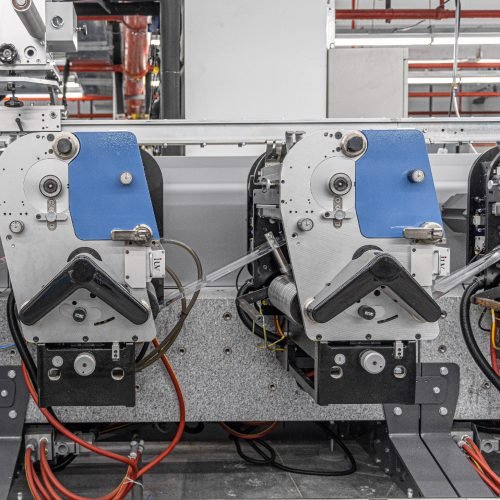
Automation has become the backbone of narrow-web flexo and offset presses. Take servo-driven die-cutting units: they’ve slashed job changeover times from 30 minutes to under 90 seconds. Hybrid machines now handle flexo and digital printing in a single pass, letting brands mix metallic effects with variable data without breaking stride. The real game-changer? Vision inspection systems that spot defects at 100 meters/minute, paired with machine learning algorithms that predict roller wear before it affects print quality.
AI’s role extends far beyond predictive maintenance. Color matching, traditionally a hours-long process involving spectrophotometers and skilled technicians, now happens in minutes. Adaptive algorithms analyze substrate texture, ambient humidity, and even the age of anilox rolls to maintain color consistency across jobs. For converters handling 20,000 SKUs, this isn’t just convenient—it’s the difference between profit margins and penalty clauses.
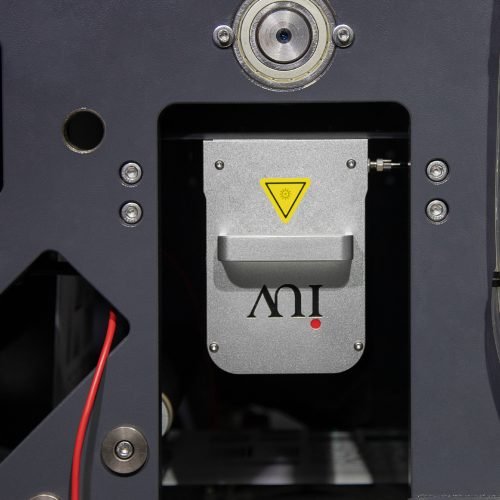
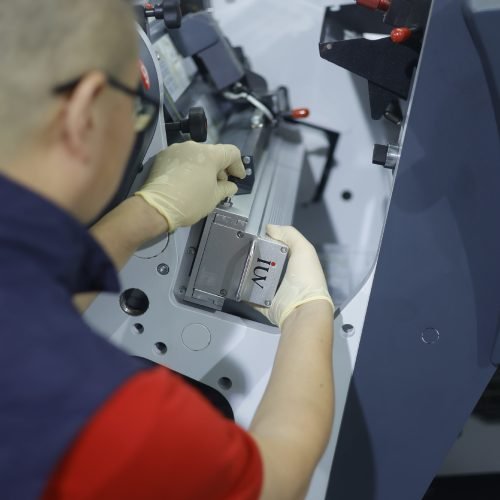
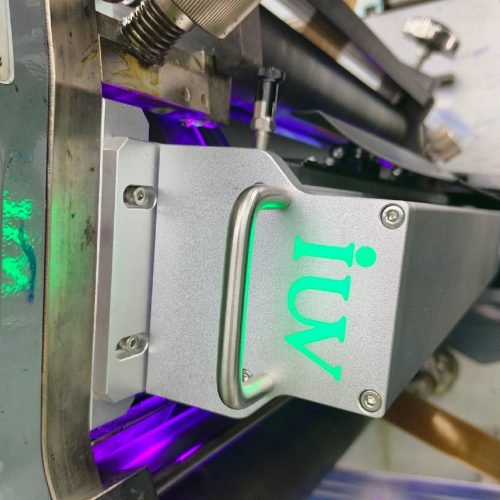
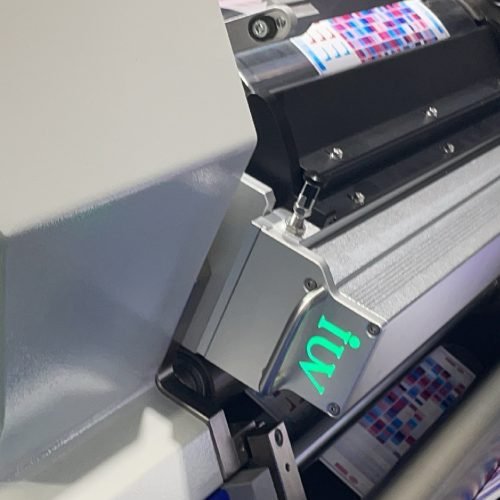
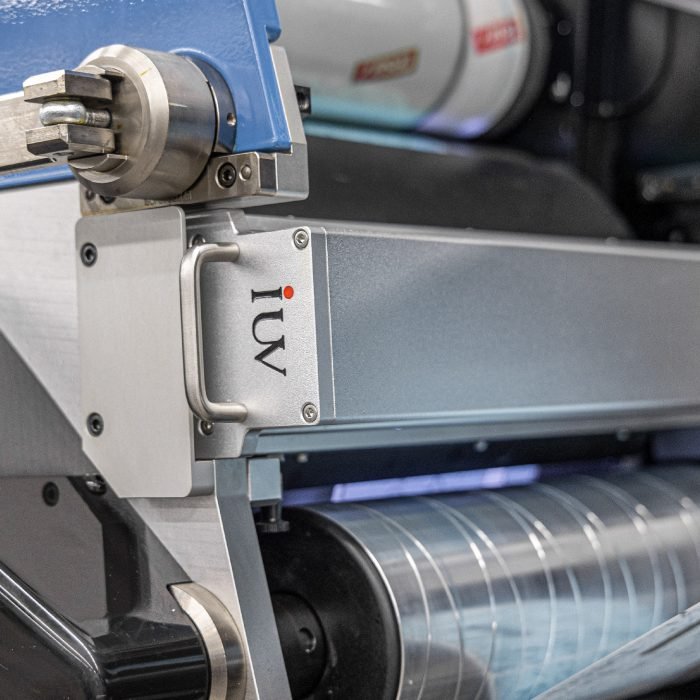
Then there’s LED UV. Unlike conventional mercury-vapor lamps, these solid-state systems target specific photoinitiators in inks and coatings. The result? Instant curing at 40% less energy, zero ozone emissions, and the ability to print on heat-sensitive materials like thin-gauge PE films. One beverage label manufacturer cut their drying tunnel length by 60% after switching to LED, reclaiming floor space for additional print stations.
Flexographic printing’s evolution showcases this tech convergence. Modern plate sleeves with 3D-printed microsurface textures work with AI-driven ink systems to hit 150 lpi resolution—a number that had flexo veterans shaking their heads five years back. Combine that with LED curing, and you’re laying down crisp graphics on shrink sleeves at 250 fpm without worrying about substrate distortion.
Offset purists aren’t being left behind. UV-enhanced litho presses now handle short-run label jobs with metallic pantones and tactile varnishes, all cured inline. The key? LED modules that emit precisely 385-405nm wavelengths, matching modern UV offset inks’ spectral sensitivity. A pharmaceutical converter recently used this setup to print tamper-evident labels with instant-dry holographic foils—something that previously required separate hot-foil stamping stations.
Sustainability metrics are getting rewritten too. LED UV’s cooler operation cuts HVAC loads by up to 30%, while solvent-free inks eliminate VOC recovery systems. One European printer achieved zero wastewater discharge by pairing UV curing with AI-optimized ink laydown, reducing blanket wash frequency by 75%.
What’s next? Look for self-calibrating presses that adjust registration and viscosity autonomously between jobs. Hybrid units combining flexo’s versatility with digital’s agility, all underpinned by energy-stingy UV curing. And AI that doesn’t just predict failures but redesigns workflows overnight based on incoming orders.
The companies thriving in this landscape aren’t those buying the shiniest gadgets—they’re the ones reimagining entire production philosophies around these converging technologies. Because when your press can switch from wine labels to medical device markings in three minutes, with zero material waste and energy costs that make solar startups jealous, you’re not just printing tags. You’re manufacturing market advantage.