In label printing, durability isn’t just a buzzword—it’s a non-negotiable requirement. Whether it’s a shampoo bottle surviving bathroom humidity or an industrial tool label resisting chemical exposure, the finish determines longevity. UV curing has quietly revolutionized this space, particularly in producing labels that laugh off scratches and wear. Let’s break down how this technology intersects with flexographic, offset, and narrow web printing to create products that endure.
Flexographic printing dominates high-speed label production for everything from craft beer cans to pharmaceutical packaging. Traditional solvent-based inks required lengthy drying times, creating bottlenecks. Enter UV-curable inks. When exposed to ultraviolet light, these inks polymerize instantly. No waiting. No smudging. For flexo presses running at 500 feet per minute, this instant cure means labels exit the press ready for slitting and stacking. The scratch resistance comes from the cross-linked molecular structure formed during curing—imagine a microscopic chainmail armor layer on the label surface.
Offset printing brings its own quirks to the table. Known for razor-sharp graphics and color consistency, sheetfed offset often handles premium product labels. But conventional offset inks can take hours to fully dry, risking set-off during stacking. UV curing flips the script. By using specially formulated UV offset inks, printers achieve tack-free surfaces immediately after the sheet leaves the press. This isn’t just about speed; it’s about enabling complex finishes. A UV-varnished offset label can have matte textures adjacent to glossy logos, all while maintaining resistance to abrasion during shipping and handling.
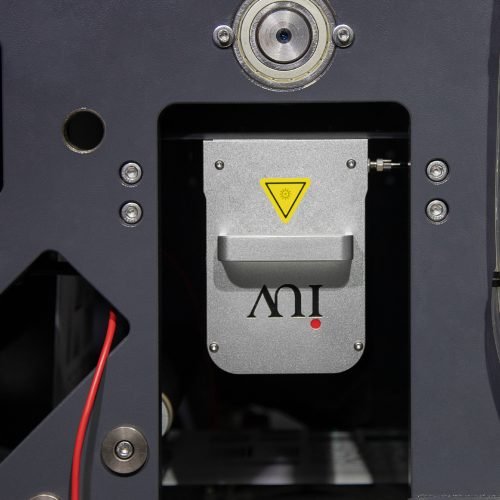
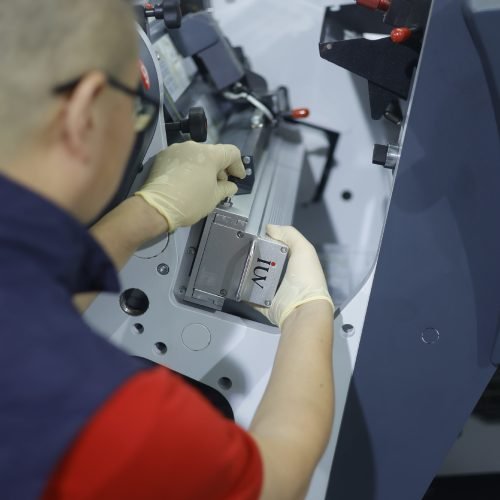
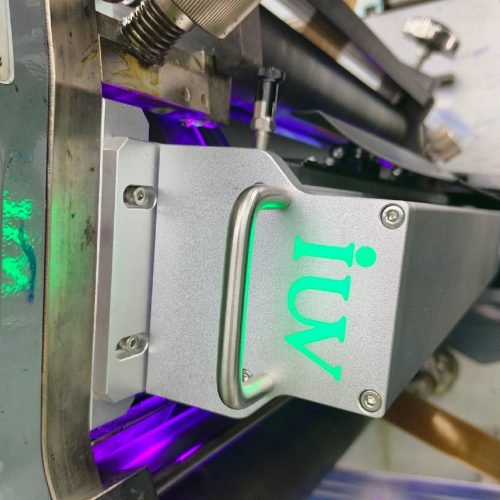
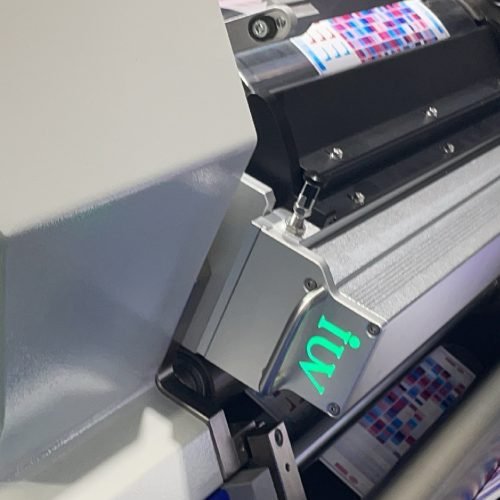
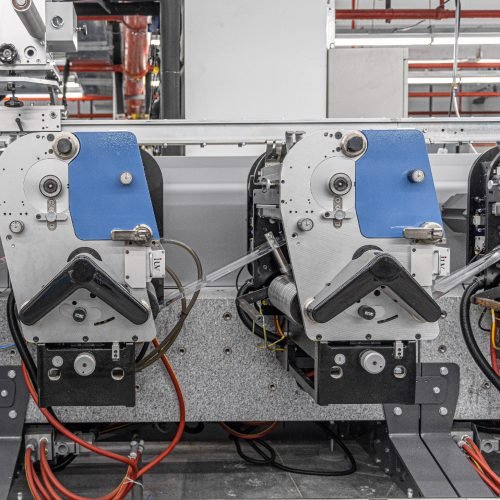
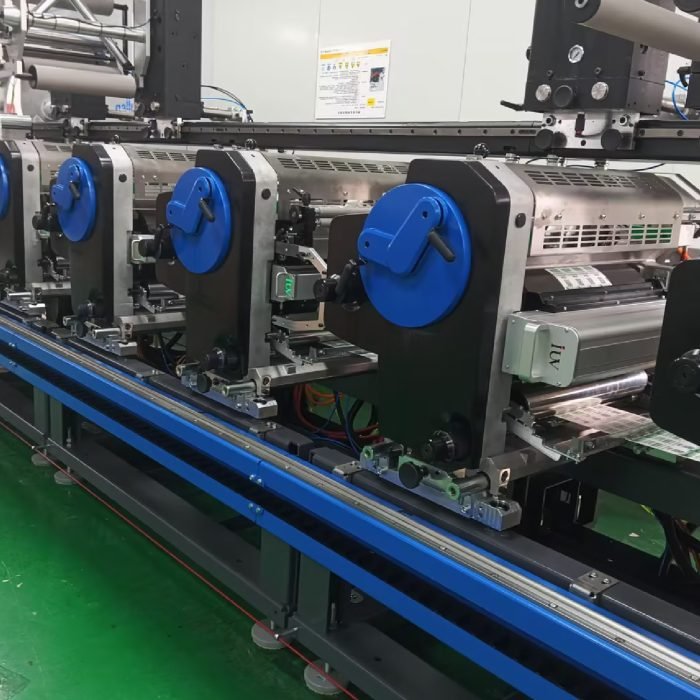
Narrow web presses blend flexo’s versatility with digital’s precision, often incorporating hybrid systems. Here, UV LED curing shines—literally. Unlike traditional mercury vapor lamps, LED arrays emit targeted wavelengths that cure inks without excessive heat. For pressure-sensitive labels on heat-sensitive films like PE or PP, this prevents substrate distortion. The result? Crystal-clear barcodes on freezer labels that won’t crack at -20°C and wine labels that keep their luster despite condensation.
Energy efficiency drives adoption. Mercury-based UV systems waste energy heating electrodes and require warm-up time. LED UV systems draw power only during operation, slashing energy use by up to 70%. For printers juggling sustainability goals with performance demands, this dual benefit is irresistible. Maintenance drops too—no more replacing mercury bulbs every 1,000 hours.
Chemical resistance matters in harsh environments. UV-cured labels on agricultural chemicals or cleaning products face acids and solvents daily. The secret lies in the cured ink’s inertness. Once polymerized, the ink film becomes non-reactive, creating a barrier that repels aggressive substances. Compare this to water-based inks, where prolonged chemical exposure can cause ink swelling or color bleeding.
Adhesion under stress separates adequate labels from exceptional ones. UV curing enhances bond strength between ink and substrate. On challenging surfaces like textured HDPE or metallicized films, UV inks anchor securely because the curing process creates both mechanical and chemical adhesion. During durability testing, these labels withstand repeated flexing and friction that would delaminate conventionally printed alternatives.
The shift toward thinner label stocks amplifies UV’s advantages. Lightweight liners and facestocks reduce material costs but demand inks that cure completely without penetrating deeply. UV’s surface-level curing prevents bleed-through on 40-micron films, maintaining opacity and print sharpness. This precision enables intricate security features on pharmaceutical labels or microtext on luxury goods—details that vanish with overpenetrating inks.
Operational flexibility might be UV’s unsung benefit. Printers using hybrid UV/dry offset configurations can switch between jobs without lengthy washups. A UV press running PET labels in the morning can handle paper-based prime labels in the afternoon by simply adjusting lamp intensity and ink viscosity. This agility matters in an era where short runs and fast turnarounds define commercial success.
Looking ahead, UV curing’s role expands as brands demand smarter labels. Conductive UV inks enable printed electronics for interactive packaging. Scratch-resistant surfaces now incorporate tactile elements for accessibility. With each innovation, the technology proves it’s not just about surviving wear and tear—it’s about enabling labels to do more while lasting longer.
For printers and brand owners alike, the equation is simple: UV curing transforms labels from disposable elements to durable brand ambassadors. From the pressroom to the end user, that durability translates to fewer returns, consistent branding, and products that look pristine from first shelf scan to final disposal.