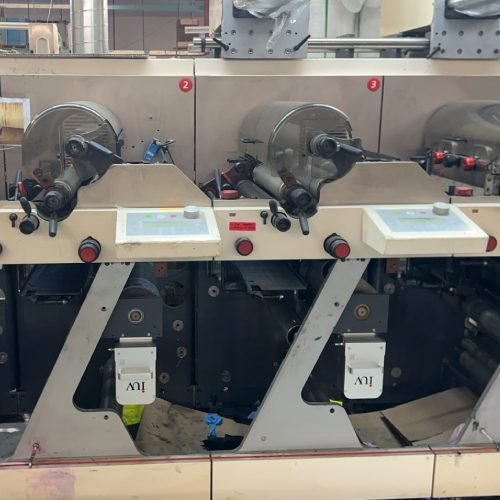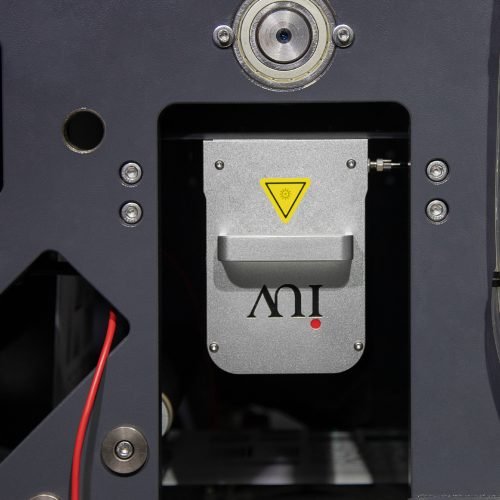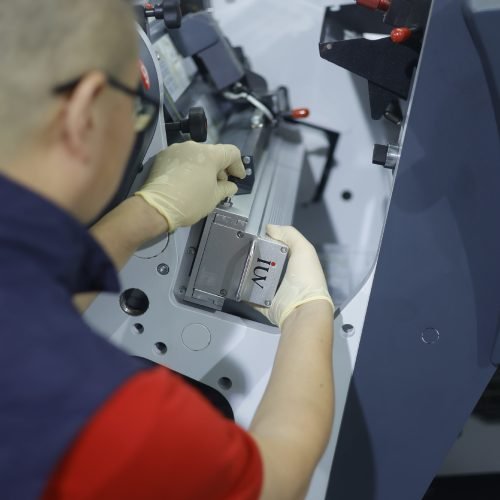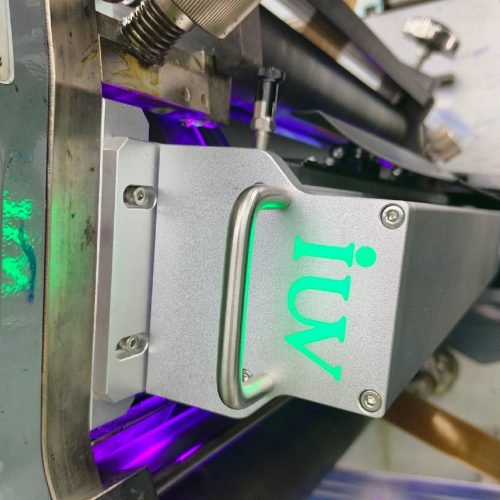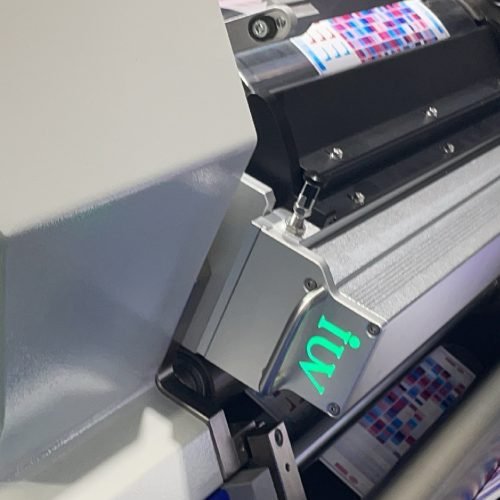
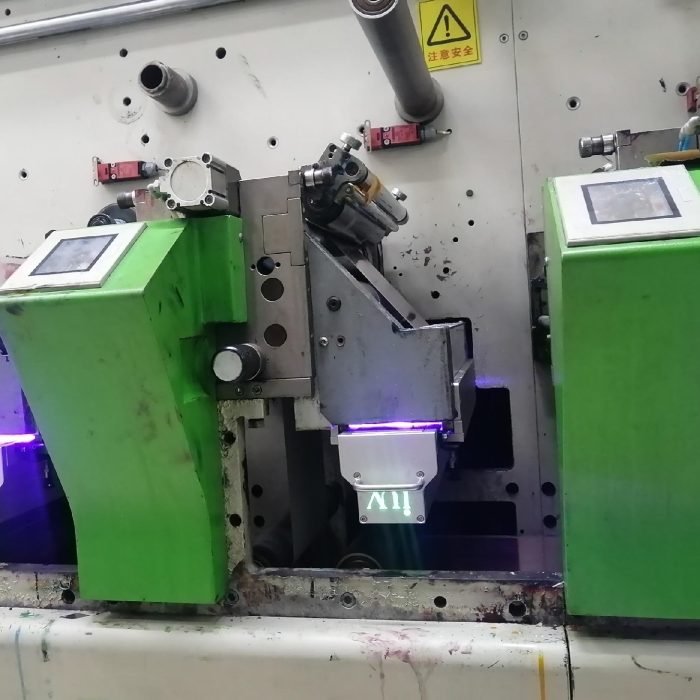
The printing industry is constantly seeking ways to enhance efficiency, improve quality, and reduce environmental impact. For narrow web printers, label converters, and those in flexographic and offset printing, the quest for faster production speeds and superior finishes is paramount. Traditionally, heat-based curing methods have been a staple, but they come with inherent limitations, particularly concerning heat build-up on sensitive substrates and the energy required. Enter LED UV curing systems – a technology that’s revolutionizing how we achieve instant curing without the unwanted thermal side effects.
Understanding the Core Challenge: Heat in Curing
In many conventional printing processes, curing inks, coatings, and adhesives relies on thermal energy. This can be achieved through hot air dryers, infrared (IR) lamps, or even mercury vapor UV lamps, which emit a broad spectrum of light along with significant heat. While effective for many applications, this heat can pose several problems:
- Substrate Deformation: Many printing substrates, especially thin films, foils, and some papers used in label printing, are susceptible to stretching, warping, or shrinking when exposed to high temperatures. This can lead to registration issues and affect the final product’s dimensional stability.
- Ink/Coating Performance: Excessive heat can sometimes alter the properties of inks and coatings, potentially leading to yellowing, brittleness, or a loss of adhesion.
- Energy Consumption: Thermal curing systems are notoriously energy-intensive, contributing to higher operating costs and a larger carbon footprint.
- Longer Cool-Down Periods: Printed materials often require a cool-down period after exiting the curing zone, adding time to the overall production cycle.
The Advent of UV Curing: A Step Forward
Ultraviolet (UV) curing offered a significant improvement. UV inks and coatings contain photoinitiators that, when exposed to specific wavelengths of UV light, undergo a rapid polymerization process. This transforms the liquid into a solid, cured film almost instantaneously. Early UV curing systems primarily used mercury vapor lamps. These lamps are powerful and effective, but they also generate substantial heat.
LED UV: The Heatless Innovation
Light Emitting Diode (LED) UV curing technology represents a paradigm shift. Unlike traditional mercury lamps that emit light across a wide spectrum and generate considerable heat as a byproduct, LEDs are highly efficient light sources that emit light within very narrow, specific wavelength bands. This focused emission has profound implications for curing processes, especially in demanding applications like narrow web and flexographic printing.
Here’s why LED UV curing is a game-changer for achieving instant curing without heat build-up:
- Minimal Heat Emission: The primary advantage of LED UV systems is their drastically reduced heat output. Because they are highly efficient and emit light only at specific, targeted wavelengths (e.g., 365nm, 385nm, 395nm, 405nm), they generate very little waste heat. This means the substrate remains much cooler throughout the curing process.
- Substrate Versatility: The cooler operating temperature allows printers to run a much wider range of heat-sensitive substrates. This includes delicate films, unsupported plastics, and thin paper stocks commonly used in the label and flexible packaging sectors. The risk of shrinkage, deformation, or degradation is significantly minimized.
- Instant Curing and Improved Speeds: LED UV systems provide extremely rapid curing. The moment the substrate passes under the LED array, the UV light initiates polymerization, resulting in a fully cured ink or coating. This “instant cure” capability enables printers to run presses at higher speeds without compromising on cure quality. For narrow web and flexographic presses, this translates directly to increased throughput and productivity.
- Energy Efficiency: LEDs are remarkably energy-efficient compared to traditional UV lamps. They consume significantly less power to produce the same level of UV output. Furthermore, LEDs have a very long operational life and can be switched on and off instantaneously without degradation, unlike mercury lamps which require warm-up and cool-down times. This translates to substantial operational cost savings and reduced environmental impact.
- Consistent Output and Longevity: LED UV lamps offer consistent light output over their lifespan, which can be tens of thousands of hours. This consistency ensures reliable curing performance job after job, reducing waste and rework. Mercury lamps, on the other hand, experience a decline in output over time, requiring more frequent replacement and recalibration.
Applications in Key Printing Sectors
The benefits of LED UV curing are particularly impactful in specialized printing areas:
- Narrow Web and Label Printing: In this sector, precision and speed are critical. The ability to cure instantly on a variety of films and papers without heat distortion is invaluable. It allows for complex multi-layer labels, clear-on-clear labels, and sensitive shrink sleeves to be printed flawlessly and at high speeds. Registration is maintained, and finishes remain pristine.
- Flexographic Printing: Flexo printing often involves a variety of substrates and demanding print runs. LED UV systems provide the rapid curing needed for high-speed flexo lines, ensuring that inks are fully dry and transfer-free immediately, preventing smudging and enabling immediate post-processing, such as die-cutting or rewinding.
- Offset (Sheet-fed and Web) Printing: While offset printing traditionally relies heavily on heat set or IR, LED UV is gaining traction. It’s particularly beneficial for short-run, on-demand jobs where quick turnaround is essential, and for printing on non-absorbent or heat-sensitive materials that can’t withstand traditional drying methods.
- Specialty Coatings and Finishes: Achieving tactile effects, matte finishes, or high-gloss coatings often requires precise curing. LED UV systems allow for precise control over the curing process, enabling printers to achieve these specialized finishes with excellent consistency and without damaging the underlying substrate.
Integrating LED UV into Your Workflow
Adopting LED UV curing technology involves several considerations:
- Ink and Coating Formulation: It’s crucial to use inks, coatings, and adhesives specifically formulated for LED UV curing. These formulations contain photoinitiators sensitive to the specific wavelengths emitted by the LEDs. While traditional UV systems are still viable, the performance and efficiency benefits of LED-specific formulations are significant.
- Wavelength Selection: LED UV systems are available in different wavelength configurations (e.g., 365nm, 385nm, 395nm). The optimal choice depends on the type of ink, coating, or adhesive being used. Consult with ink manufacturers to determine the best match for your specific application and substrate.
- System Integration: LED UV curing units can be retrofitted to existing presses or specified as part of new equipment. Factors like the required UV irradiance (intensity), exposure area, and cooling capacity need to be carefully assessed to match production speeds and job requirements.
- Operator Training: While LED UV systems are generally user-friendly, operators should be trained on their operation, maintenance, and safety protocols. This ensures optimal performance and longevity of the equipment.
The Future is Cool
The shift towards LED UV curing systems in the printing industry is more than just a technological upgrade; it’s a move towards smarter, more sustainable, and more versatile production. For label printers, flexographic converters, and offset operations, the ability to achieve instant curing without problematic heat build-up opens up new possibilities for substrate choices, design complexity, and production efficiency. As the technology continues to advance, LED UV curing is set to become an indispensable tool for printers striving for excellence in a competitive market.