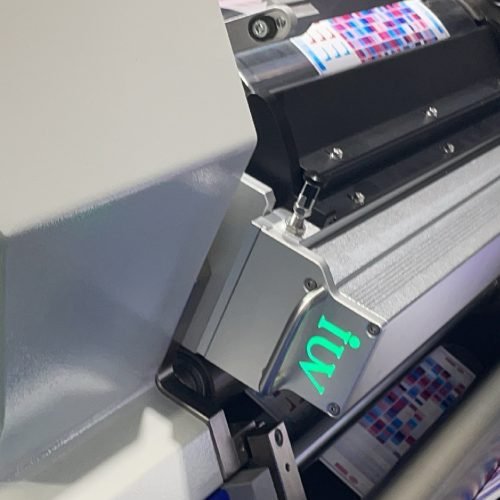
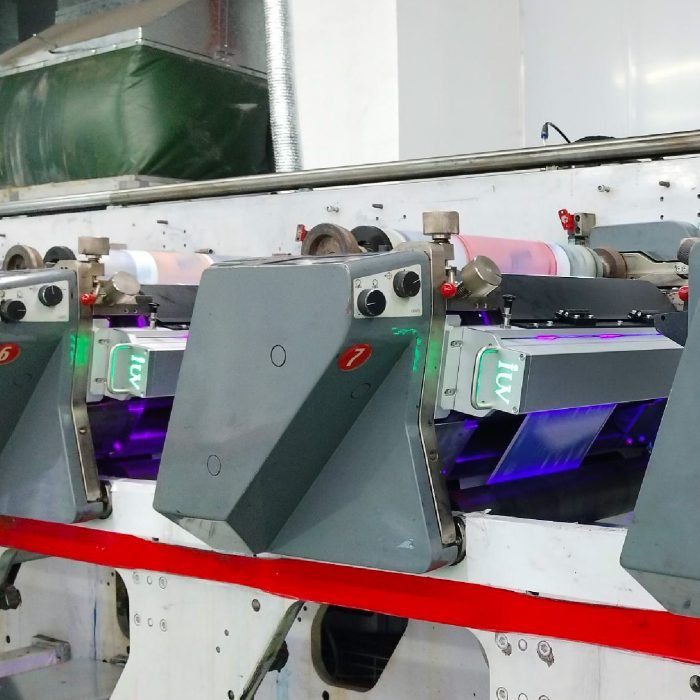
The landscape of narrow-web printing is continuously evolving, driven by the demand for greater efficiency, enhanced quality, and expanded capabilities. Hybrid printing machines, which seamlessly combine different printing technologies on a single platform, represent a significant leap forward. Central to the success and versatility of these advanced machines is the sophisticated integration of LED UV curing systems. This technology is not merely an add-on; it’s a fundamental component that unlocks new possibilities in label and flexible packaging production.
The Rise of Hybrid Printing
Hybrid printing machines offer unparalleled flexibility. They allow converters to switch between different print methods, such as flexography, offset, and digital, often within the same job. This means a single machine can handle everything from basic line work to complex, high-resolution graphics and variable data printing. The ability to mix and match these technologies on the fly drastically reduces setup times, minimizes waste, and broadens the range of applications a print shop can undertake. Think of producing a high-volume label with spot colors using flexo, then adding unique serial numbers or personalization with digital, all without removing the substrate from the press.
Understanding LED UV Curing Technology
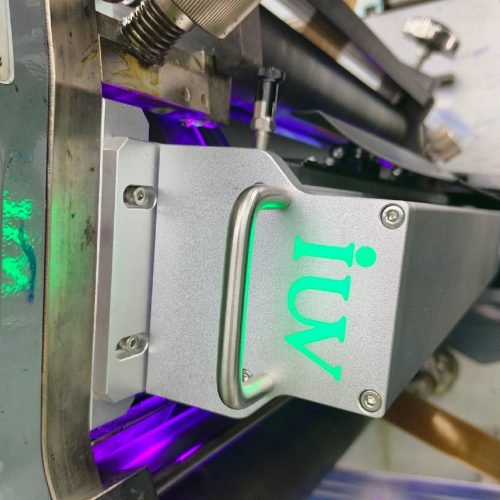
Traditionally, UV curing relied on mercury vapor lamps. While effective, these lamps generated significant heat, had a limited lifespan, and contained hazardous materials. LED UV curing systems represent a paradigm shift. They utilize light-emitting diodes to produce UV light at specific wavelengths. This offers a host of advantages:
- Energy Efficiency: LEDs consume significantly less power than traditional mercury lamps, leading to lower operating costs.
- Lower Heat Emission: The targeted wavelengths and directional nature of LED light generate much less heat. This is crucial for heat-sensitive substrates common in narrow-web printing, such as thin films and certain papers.
- Longer Lifespan: LEDs have a far greater operational lifespan, reducing the frequency of lamp replacements and associated downtime.
- Instant On/Off: LEDs can be switched on and off instantaneously, which is ideal for print processes that require precise curing control or intermittent operation.
- Environmental Benefits: They are mercury-free, contributing to a safer working environment and more sustainable printing practices.
- Wavelength Specificity: LEDs can be tailored to emit specific UV wavelengths, optimizing curing for different ink and coating formulations. This precise control enhances cure speed and ink adhesion.
The Synergistic Advantage: LED UV in Hybrid Presses
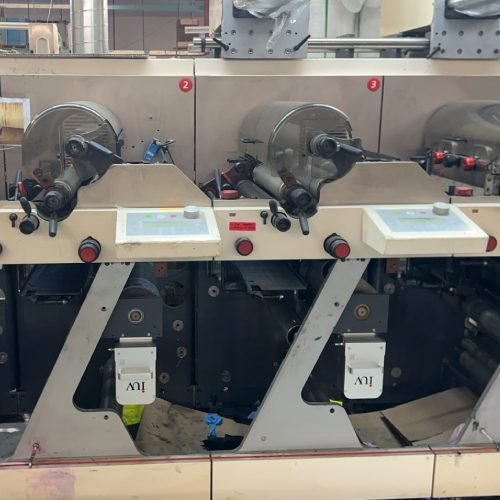
The integration of LED UV curing into hybrid printing machines is a powerful combination. In a flexographic or offset unit, LED UV allows for immediate curing of inks and coatings after application. This means a substrate can pass through multiple print stations without smudging or requiring lengthy inter-deck drying times. The rapid curing prevents ink transfer between units, ensuring sharp image quality and preventing registration issues.
For digital printing units integrated into a hybrid press, LED UV is equally vital. Digital inks, especially inkjet formulations, often require rapid curing to achieve optimal adhesion and durability on diverse substrates. LED UV provides this instant cure, allowing for high-speed digital printing without compromising quality or the ability to perform subsequent finishing operations immediately.
Enhanced Capabilities for Label and Packaging
The benefits of advanced LED UV integration are particularly pronounced in the narrow-web label and flexible packaging sectors.
Faster Speeds: The ability to cure instantly between print stations allows hybrid presses to operate at much higher speeds. This directly translates to increased productivity and throughput, enabling printers to meet tighter deadlines and handle larger order volumes.
Wider Substrate Range: The low heat output of LED UV systems is a game-changer for heat-sensitive materials. This opens up new possibilities for printing on delicate films, foils, and thinner papers that would degrade or warp under the heat of conventional UV lamps. This expands the range of products a printer can produce.
Superior Print Quality: Precise control over curing parameters ensures that inks and coatings are fully cured, leading to excellent adhesion, scratch resistance, and chemical resistance. This is critical for product labels that must withstand harsh environments or extensive handling. Furthermore, the lack of heat-induced distortion helps maintain excellent registration, particularly important in multi-color applications.
Specialty Finishes: LED UV technology facilitates the use of specialty varnishes and coatings. High-build varnishes, tactile finishes, and matte or gloss coatings can be applied and cured rapidly. This allows for sophisticated embellishments and eye-catching effects that differentiate products on the shelf.
Reduced Waste: The immediate curing nature of LED UV minimizes ink transfer and smudging, leading to fewer spoiled prints and reduced material waste. This efficiency contributes significantly to cost savings and a more sustainable operation.
Variable Data Printing (VDP): In hybrid presses, LED UV is essential for digital VDP. It allows for instant curing of variable inks as they are printed, ensuring that personalized information is durable and immediately ready for the next step in the production process.
Optimizing LED UV Integration
Successful integration requires careful consideration of several factors:
- Wavelength Selection: Different ink and coating chemistries are formulated to cure under specific UV wavelengths. The LED UV system must be matched to the specific formulations being used. Common wavelengths include UVC (around 254 nm), UVB (around 315 nm), and UVA (around 365 nm), with UVA being most prevalent for inks and coatings. Increasingly, narrow-band UVA LEDs at specific peaks like 395 nm are employed for maximum efficiency.
- Irradiance Levels: The intensity of the UV light (irradiance) is critical for achieving a complete cure within the required time. This needs to be sufficient for the ink film thickness and the press speed.
- Cooling Systems: While LEDs produce less heat than mercury lamps, effective cooling is still necessary to maintain optimal LED performance and longevity. This is often achieved through air or water-based cooling systems integrated into the print unit.
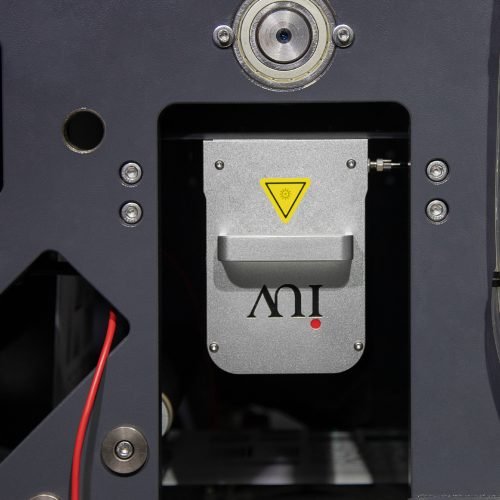
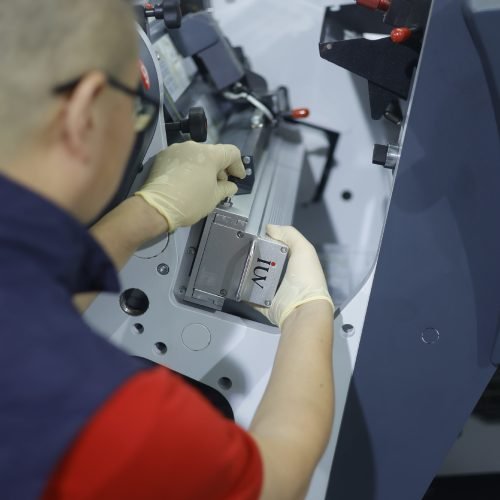
- Placement and Coverage: The positioning of the LED UV lamps within the print unit is crucial to ensure uniform exposure across the entire width of the web. Consistent coverage prevents partial curing and ensures consistent quality.
- Control Systems: Advanced hybrid presses feature sophisticated control systems that allow operators to precisely manage LED UV power, exposure time, and other parameters. This enables fine-tuning for different jobs and substrates.
The Future of Narrow-Web Printing
The advanced integration of LED UV curing systems is no longer a niche technology; it’s becoming a standard for high-performance hybrid printing machines in the narrow-web sector. As the technology continues to mature, we can expect even greater efficiency, lower costs, and further expansion of application possibilities. Printers investing in hybrid technology equipped with state-of-the-art LED UV curing are positioning themselves at the forefront of label and flexible packaging innovation, ready to meet the evolving demands of the market with speed, quality, and versatility. This synergy between hybrid printing architecture and cutting-edge LED UV technology is fundamentally reshaping what’s achievable in short-run, high-value printing.