Producing vibrant, multi-color labels demands precision and speed. In the competitive world of narrow web printing, label converters are constantly seeking ways to boost productivity without compromising quality. One of the most impactful advancements in recent years has been the integration of LED UV curing technology. This innovation offers a powerful solution for optimizing workflows, reducing waste, and ultimately, increasing output in demanding multi-color label production environments.
The traditional methods of label printing, while effective, often involve lengthy drying times and energy-intensive processes. This can create bottlenecks, particularly when dealing with intricate designs and multiple ink applications characteristic of modern labels. LED UV curing, however, presents a paradigm shift. It leverages a specific spectrum of ultraviolet light to instantly cure inks and coatings, transforming them from a liquid state to a solid, durable finish in mere fractions of a second.
Understanding the Core Technology: LED UV vs. Traditional Curing
To fully appreciate the productivity gains, it’s helpful to understand the fundamental differences between LED UV curing and older methods like mercury vapor lamps or hot air drying. Traditional mercury lamps emit a broad spectrum of UV light, which generates significant heat. This heat can cause substrate distortion, especially with thinner label stocks, and requires substantial ventilation and energy to manage. Hot air drying, common in flexographic and offset printing, relies on convection to evaporate solvents, a process that is inherently slower and can lead to ink migration issues.
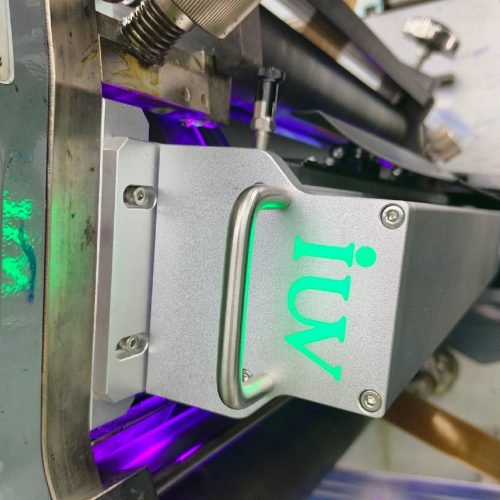
LED UV curing, on the other hand, utilizes light-emitting diodes (LEDs) that emit a highly focused, narrow band of UV light, typically in the UVA range. This focused energy efficiently initiates the photoinitiators within UV-curable inks and coatings, causing them to polymerize and cure almost instantaneously. The benefits are manifold:
- Lower Heat Generation: LEDs produce far less heat than mercury lamps. This means less stress on the label substrate, allowing for the use of a wider range of materials, including heat-sensitive films. It also reduces the need for extensive cooling systems.
- Instantaneous Curing: The speed of curing is dramatically reduced. This allows for faster press speeds, enabling printers to complete jobs more quickly and handle higher order volumes.
- Energy Efficiency: LEDs are significantly more energy-efficient than mercury lamps, consuming up to 70% less power. This translates to lower operating costs and a reduced environmental footprint.
- Longer Lamp Lifespan: LED lamps have a much longer operational lifespan compared to traditional mercury bulbs, reducing replacement frequency and associated maintenance downtime.
- Instant On/Off Capability: Unlike mercury lamps that require a warm-up period, LEDs can be switched on and off instantly. This is particularly advantageous during press setup and material changes, minimizing wasted energy and ink.
The Impact on Multi-Color Label Production Workflows
In multi-color label production, especially using flexographic or offset printing processes on narrow web presses, efficient ink transfer and curing between stations are paramount. Each color station adds complexity and potential for delay. LED UV curing directly addresses these challenges.
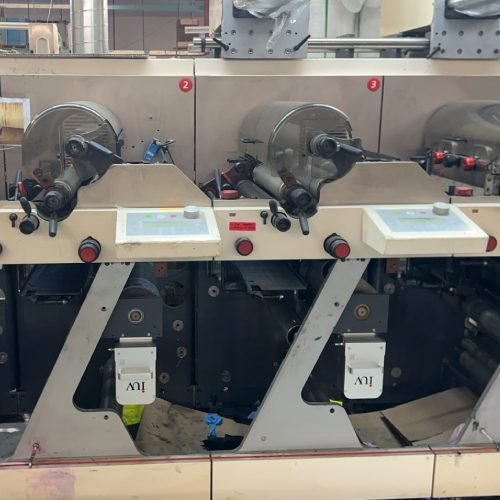
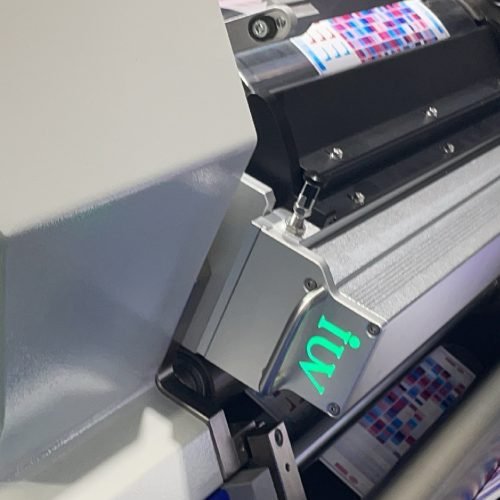
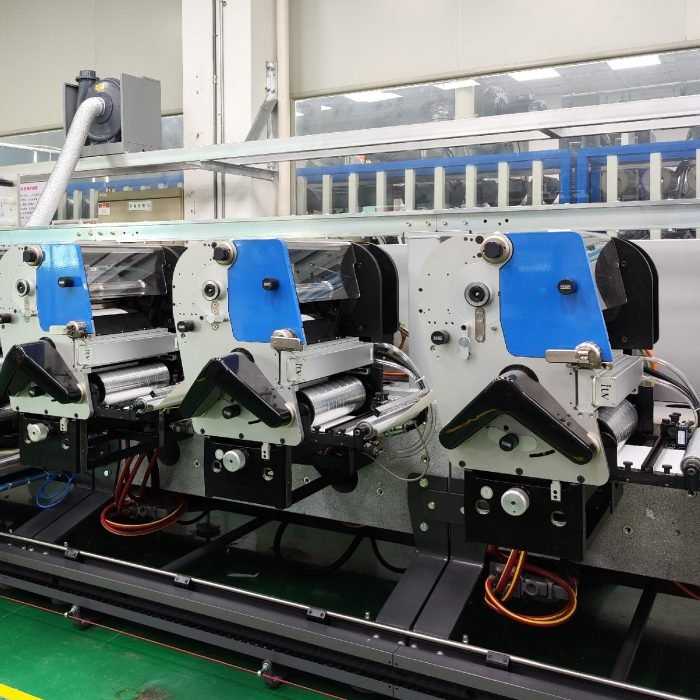
Flexographic Printing: Flexo printing is a cornerstone of narrow web label production. When equipped with LED UV curing, flexo presses can achieve unprecedented speeds. After each color unit applies its ink, the LED lamps positioned immediately downstream cure the ink before the web moves to the next station. This immediate curing prevents ink smudging or transfer to the anilox rolls or blankets of subsequent units. This is especially critical for fine details, screen tints, and multi-layer applications where color registration is vital. Without proper curing between stations, ink can remain wet, leading to misregistration, ghosting, and reduced print clarity. LED UV ensures each color is locked down instantly, allowing for precise color layering and sharper graphics.
Offset (Lithographic) Printing: For label printers utilizing narrow web offset presses, LED UV curing offers similar advantages. Offset printing relies on ink transfer from plates to a blanket, then to the substrate. Wetting agents (water and fountain solution) are also used, which can complicate drying. UV-curable inks used in offset printing, when paired with LED UV lamps, cure rapidly. This eliminates the need for extensive drying towers or inter-station drying units that can add significant length and complexity to the press. The ability to instantly cure inks allows for faster job turnaround, as the labels are ready for finishing or cutting much sooner. This also improves handling and reduces the risk of ink contamination or smudging during subsequent processes.
Boosting Productivity Metrics with LED UV
The practical implications of integrating LED UV curing into multi-color label production are directly measurable in terms of increased productivity.
- Faster Press Speeds: The instantaneous curing capability allows presses to run at their maximum mechanical speeds without concerns about ink drying. This directly translates to more meters or feet of labels produced per hour. For jobs with multiple colors, the cumulative time saved at each station adds up significantly over the run.
- Reduced Downtime and Setup Times: The instant on/off nature of LEDs means less time wasted on lamp warm-up and cool-down. During makeready, when multiple color stations need to be set up, this feature accelerates the process. Furthermore, the consistent performance of LEDs means fewer unplanned stops due to lamp failure, contributing to higher overall equipment effectiveness (OEE).
- Wider Material Compatibility: The reduced heat output of LED UV curing opens up possibilities for printing on a broader range of substrates, including thinner films, heat-sensitive papers, and certain plastics that might warp or degrade under the heat of traditional curing systems. This expands a label printer’s service offering and reduces the need for multiple types of specialized inks for different materials.
- Minimized Waste: Instant curing reduces the likelihood of ink smudging, scratching, or transfer issues during handling. This leads to fewer rejected labels and less material waste, directly impacting profitability. The consistent curing performance also means fewer color shifts or inconsistencies that might lead to jobs being pulled from the press prematurely.
- Improved Throughput: By streamlining the drying process, LED UV curing allows for faster job completion. This means more jobs can be processed through the plant in a given period, increasing overall throughput and capacity. This is crucial for meeting demanding customer deadlines and expanding business.
Addressing Specific Label Printing Challenges
Multi-color label printing often involves intricate designs, fine text, and vibrant color gradients. LED UV curing excels in these scenarios:
- Sharp Dot Gain and Fine Details: The rapid polymerization of UV inks with LED light results in minimal ink spread, leading to sharper dots and cleaner reproduction of fine text and intricate graphic elements. This is essential for high-quality labels where brand aesthetics are critical.
- Varnishing and Special Effects: LED UV curing is ideal for applying UV varnishes and coatings, including matte, gloss, and textured finishes. These can be applied over cured inks without lifting or disturbing the underlying colors. The speed of cure allows for rapid layering of different varnishes for unique tactile and visual effects, enhancing label shelf appeal.
- Extended Color Gamuts: With precise control over ink application and immediate curing, printers can achieve more consistent and repeatable color reproduction, even when using extended color gamuts (ECGs) like CMYK OGV. This ensures brand colors are accurately represented across different print runs and on various label designs.
Considerations for Implementation
When considering the transition to LED UV curing for your multi-color label production, a few key aspects warrant attention:
- Ink and Coating Selection: Ensure your chosen inks and coatings are specifically formulated for LED UV curing and are compatible with your press and substrate. There are many options available for flexo and offset, designed for different applications and performance requirements.
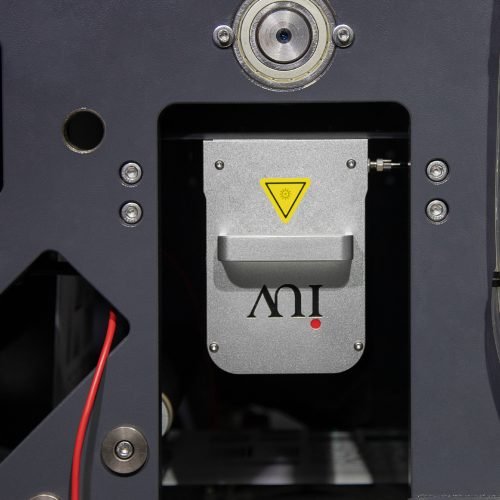
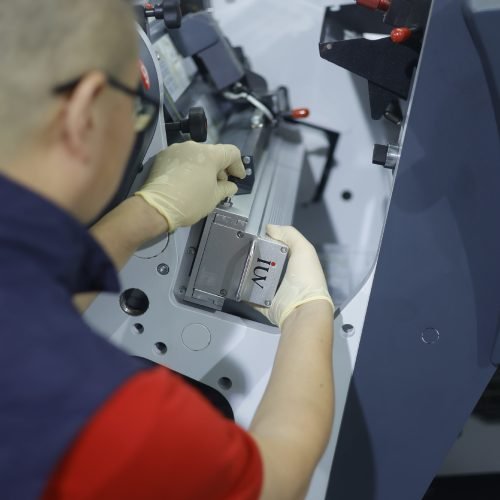
- Press Integration: LED UV curing units are typically retrofitted onto existing flexo or offset presses, or specified with new equipment. Compatibility with your current press infrastructure, including power supply and ventilation (though significantly reduced), is important.
- Operator Training: While LED UV technology is generally robust and low-maintenance, operators should be trained on its specific operation, best practices for setup, and safety considerations related to UV light exposure.
The Future is Cured: Embracing LED UV for Growth
In summary, LED UV curing technology is not merely an incremental improvement; it’s a transformative solution for multi-color label production. By enabling faster press speeds, reducing energy consumption, minimizing waste, and expanding material possibilities, it empowers label converters to operate more efficiently and profitably. For businesses focused on flexographic or offset printing for narrow web applications, embracing LED UV curing is a strategic move that ensures they remain competitive, meet evolving market demands, and continue to deliver high-quality, visually stunning labels with enhanced productivity.