Understanding LED Curing Technology
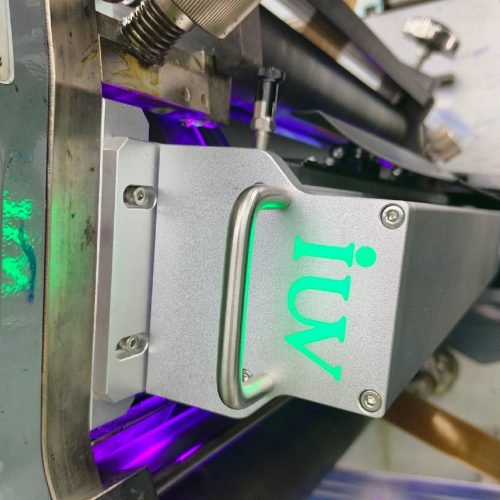
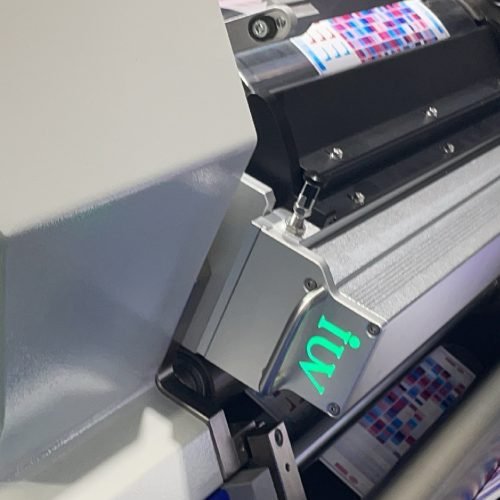
LED UV curing systems have transformed label production by offering energy-efficient, instant drying solutions. Unlike traditional mercury-vapor lamps, LED systems emit targeted wavelengths to cure inks, coatings, and adhesives without excessive heat. This precision reduces substrate warping, making them ideal for heat-sensitive materials like thin films or paper. For label printers, selecting the right LED system directly impacts print quality, production speed, and operational costs.
Matching LED Systems to Label Printing Methods
Flexographic Printing
Flexo presses dominate label production due to their versatility with substrates and fast speeds. LED curing complements flexo by enabling rapid ink polymerization, even at high web speeds. Opt for LED systems with adjustable intensity to handle varying ink densities. Ensure the system’s spectral output aligns with photoinitiators in flexo inks—typically requiring 365-405 nm wavelengths.
Offset Printing
While less common in labels, offset printing demands precise curing for consistent color reproduction. LED systems with uniform irradiance prevent under-cured spots, especially with opaque white inks. Modular LED units allow integration into existing press configurations without major retrofitting.
Narrow Web Printing
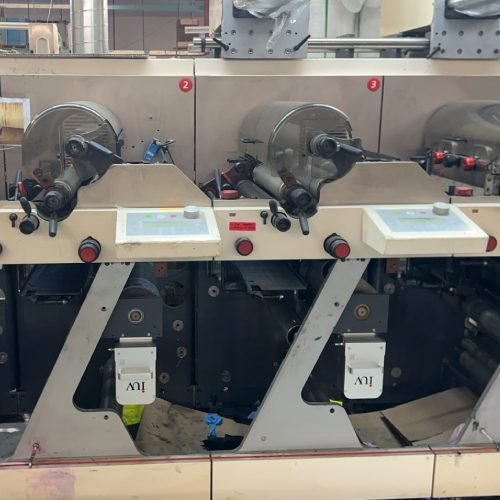
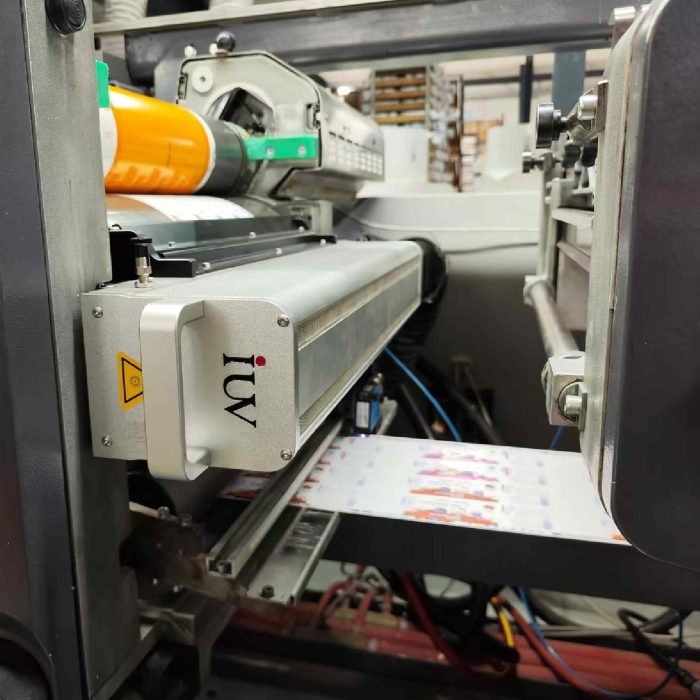
Narrow web presses prioritize space efficiency. Compact LED curing units with low-profile designs fit seamlessly into confined setups. Look for systems offering instant on/off capabilities to reduce downtime during job changes.
Key Factors in LED Curing System Selection
Wavelength Compatibility
UV inks and coatings require specific wavelengths to activate photoinitiators. Most label applications use 365 nm (UVA) or 395-405 nm (visible violet). Confirm compatibility with your ink supplier’s formulations. Mismatched wavelengths lead to incomplete curing, adhesion failures, or wasted energy.
Power Density and Irradiance
Higher power density (measured in W/cm²) ensures faster curing, critical for high-speed lines. However, excessive irradiance can degrade substrates. Balance power requirements with material limitations. Systems with adjustable settings provide flexibility for diverse jobs.
Cooling Mechanisms
LEDs generate less heat than traditional lamps, but effective thermal management remains vital. Air-cooled systems suit most label applications, while water-cooled units excel in high-power, continuous operations. Overheating shortens LED lifespan and destabilizes output.
Substrate Sensitivity
Thin films, metallicized papers, and shrink sleeves demand gentle curing. LED systems with tunable intensity prevent scorching or distortion. Test curing performance on actual materials under production conditions before finalizing a purchase.
Integration with Existing Workflows
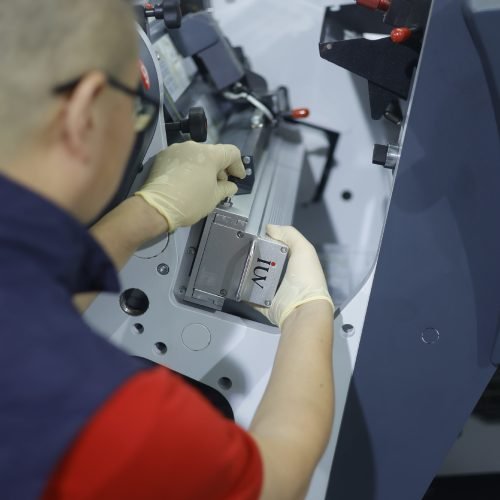
Retrofitting LED curing into older presses requires evaluating electrical compatibility, space constraints, and control systems. Modern LED units often include PLC interfaces for seamless integration with press automation. Ensure the system’s footprint aligns with your press layout—overhead, inline, or hybrid configurations each have unique spatial demands.
Energy Efficiency and Operational Costs
LED systems consume up to 70% less energy than mercury lamps, slashing electricity bills. Their instant-on capability eliminates warm-up delays, reducing idle time. While initial costs are higher, longer lifespans (15,000–20,000 hours vs. 1,000–2,000 hours for traditional lamps) lower long-term maintenance expenses. Calculate ROI by comparing energy savings, reduced downtime, and consumable costs.
Environmental and Safety Advantages
LEDs eliminate ozone generation and hazardous mercury disposal. This aligns with sustainability goals and simplifies compliance with workplace safety regulations. Additionally, UV-free operation during idle periods minimizes operator exposure to harmful radiation.
Maintenance Best Practices
Regularly clean LED lenses to prevent dust buildup, which scatters UV light and reduces efficiency. Monitor irradiance levels with built-in sensors or handheld meters. Schedule preventive maintenance to replace degraded LEDs before they impact cure quality. Partner with suppliers offering localized technical support for prompt troubleshooting.
Future-Proofing Your Investment
As UV ink formulations evolve, select modular LED systems that allow upgrades. Scalable designs accommodate future increases in production speed or substrate variety. Prioritize vendors with a track record of innovation and backward compatibility.
Final Considerations for Label Printers
Assess your current and anticipated production needs. High-mix, short-run shops benefit from versatile systems with quick changeover features. Volume-focused operations should prioritize durability and high irradiance. Collaborate closely with ink suppliers and LED manufacturers to tailor solutions for your specific applications. A well-chosen LED curing system enhances print quality, reduces waste, and positions your label printing line for emerging market demands.