Introduction
The printing industry faces persistent challenges—ink drying delays, material compatibility issues, and energy inefficiencies. UV curing systems, particularly those using LED technology, have emerged as transformative solutions. By addressing these pain points across label, flexographic, offset, and narrow-web printing, UV curing enhances quality, reduces waste, and boosts productivity. Let’s explore how this technology resolves common hurdles.
Label Printing: Tackling Adhesion and Speed
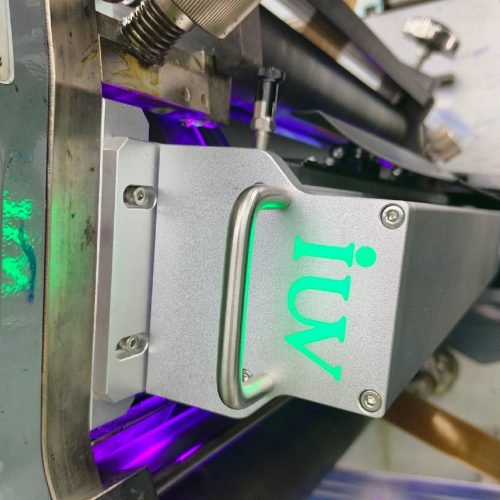
Label printers often struggle with ink adhesion on non-porous substrates like plastics or metallic films. Traditional solvent-based inks require extended drying times, slowing production and risking smudging. UV curing systems instantly polymerize inks upon exposure to UV light, eliminating drying delays. This ensures sharp, smudge-free prints on challenging materials. Additionally, LED UV lamps generate minimal heat, preventing label distortion—a critical advantage for heat-sensitive films.
Flexographic Printing: Eliminating Dot Gain and VOCs
Flexo printers face dot gain issues, where halftone dots spread during printing, reducing image clarity. UV-curable inks maintain viscosity stability, minimizing dot gain and delivering precise color reproduction. Unlike conventional inks, UV formulations contain negligible volatile organic compounds (VOCs), aligning with eco-friendly regulations. The instant curing process also allows faster press speeds, making short-run jobs more economical.
Offset Printing: Reducing Set-Up Waste
Offset printers grapple with lengthy make-ready times and paper waste during color calibration. UV curing systems enable “wet-on-dry” printing, where each ink layer is cured before the next is applied. This reduces dot spread and color bleeding, slashing setup waste by up to 40%. Moreover, UV inks resist scuffing during post-press processes like cutting or embossing, enhancing durability for packaging applications.
Narrow-Web Printing: Enhancing Versatility
Narrow-web presses demand flexibility to handle diverse substrates, from thin films to textured papers. UV curing excels here, as its inks adhere uniformly without compromising material integrity. For example, printing on shrink sleeves requires inks that withstand high heat during molding. UV-cured inks retain adhesion and colorfastness even under extreme conditions, making them ideal for beverage labels or cosmetic packaging.
UV Curing’s Role in Energy Efficiency
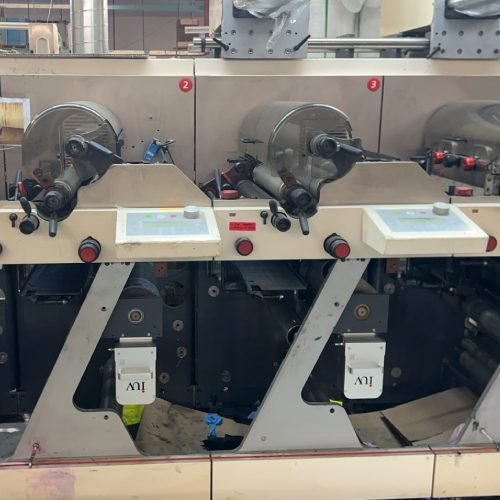
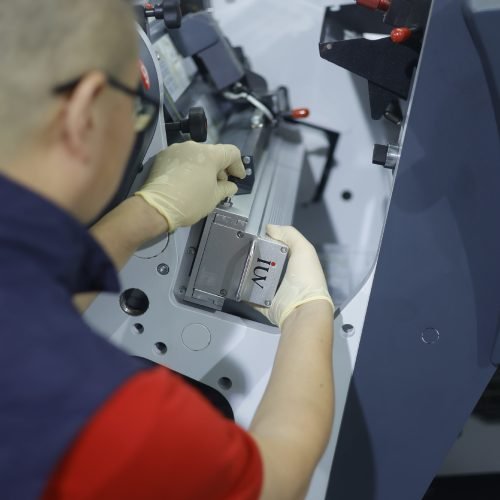
Traditional mercury-vapor UV systems consume significant power and require warm-up periods. LED UV alternatives operate at lower temperatures and use 70% less energy. Their instant-on capability reduces downtime, while longer lifespans (10,000 hours) cut maintenance costs. Printers can also retrofit existing presses with LED UV modules, avoiding full-system replacements.
Solving Substrate Compatibility Issues
Printing on recycled or coated papers often leads to ink cracking or poor adhesion. UV inks form a flexible, abrasion-resistant layer that adapts to substrate expansion or contraction. This is vital for products like frozen food packaging, which undergoes temperature fluctuations. UV curing also prevents ink absorption into porous materials, ensuring vibrant colors on uncoated stocks.
Reducing Environmental Impact
UV curing supports sustainability goals by eliminating solvent emissions and reducing ink waste. Unlike water-based inks, UV formulations don’t evaporate, allowing 95% ink transfer to substrates. LED systems further reduce carbon footprints by omitting ozone-generating wavelengths. Many UV inks are now formulated with bio-based resins, appealing to eco-conscious brands.
Applications in Specialty Finishes
UV curing enables advanced finishes like textured coatings, holographic effects, or tactile varnishes without slowing production. For luxury packaging, printers can apply spot UV gloss to specific areas, creating contrast and depth. These effects cure instantly, avoiding offsetting issues common with conventional varnishes.
Future Trends in UV Curing Technology
Innovations continue to expand UV curing’s capabilities. Hybrid systems combining LED and mercury-vapor lamps optimize curing for thick ink layers. Advances in photoinitiator chemistry allow curing under low-intensity UV-A light, broadening substrate options. As digital printing integrates UV curing, expect faster turnaround times for customized short runs.
Final Thoughts
From accelerating label production to enabling intricate finishes on narrow-web presses, UV curing systems redefine modern printing. By solving adhesion, speed, and environmental challenges, this technology empowers printers to meet evolving market demands. As UV innovations advance, their role in driving efficiency and creativity will only grow.