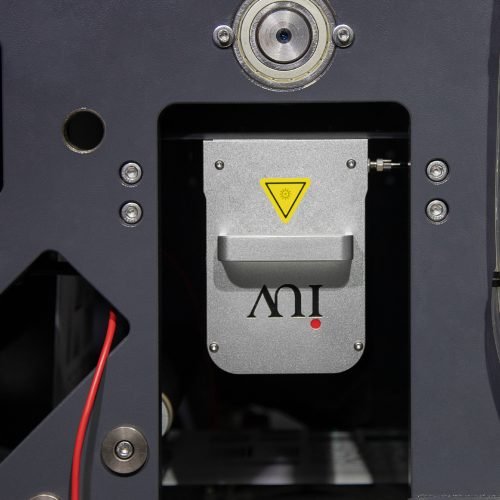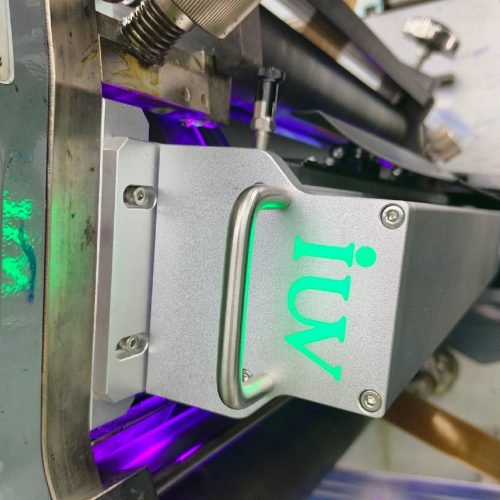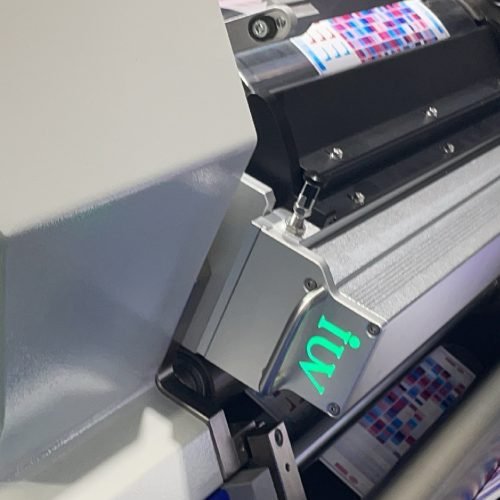
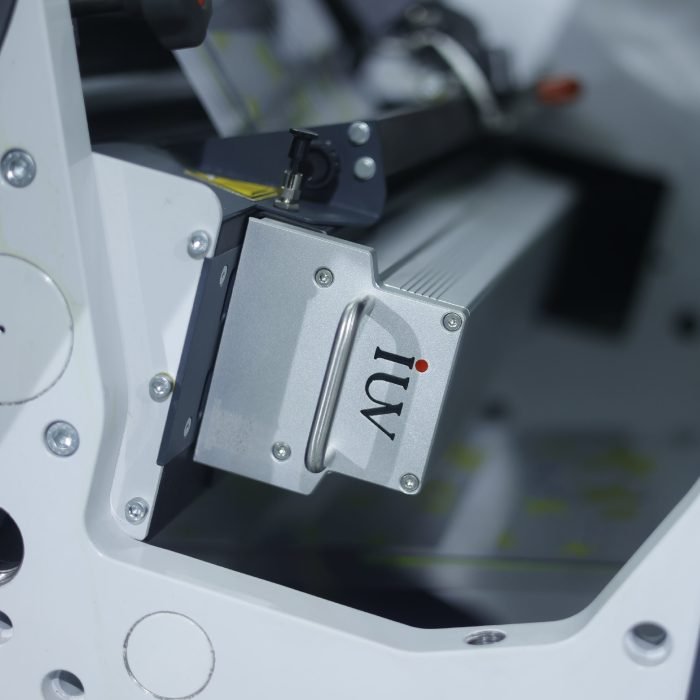
Before diving into the comparison, let’s briefly touch upon what LED UV curing offers. Unlike traditional mercury vapor lamps, LED systems use light-emitting diodes to generate UV light. This translates to significant advantages: lower energy consumption, longer lamp life, no warm-up or cool-down periods, and reduced heat transfer to the substrate. They also emit a narrower spectrum of UV light, which can be optimized for specific inks and coatings, leading to more efficient curing.
Sheet-Fed Offset Presses: Precision and Versatility
Sheet-fed presses are known for their versatility, handling a wide range of paper stocks and print runs, from short to long. When integrating LED UV curing into these machines, several factors come into play.
Substrate Handling: Sheet-fed presses often deal with thicker or more delicate substrates that can be sensitive to heat. LED UV curing’s lower heat emission is a major benefit here. It minimizes the risk of warping, shrinking, or deforming the paper or board, ensuring dimensional stability throughout the printing process. This is particularly important for applications like high-end packaging or premium commercial prints where substrate integrity is paramount.
Curing Speed and Throughput: While sheet-fed presses might not always operate at the extreme speeds of web presses, efficient curing is still critical for rapid job turnaround. LED UV systems can provide instant curing as each sheet passes through the unit. This allows for immediate stacking of printed sheets without the need for extensive cooling or anti-offset powder, thus speeding up post-press handling and reducing the risk of smudging.
Ink and Coating Compatibility: The precise wavelength output of LED UV lamps can be fine-tuned to cure specific UV-curable inks and coatings more effectively. For sheet-fed printers experimenting with new finishes or specialized inks, this adaptability is a key advantage. You can select an LED system optimized for high-gloss coatings, matte finishes, or even specialized tactile effects.
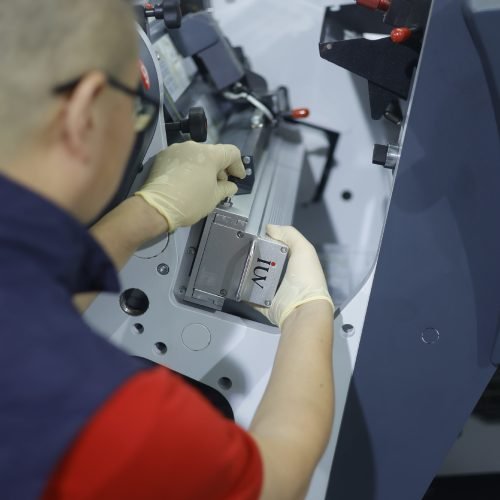
Installation and Retrofitting: Retrofitting sheet-fed presses with LED UV systems is a common practice. The modular nature of many LED units makes them adaptable to various press configurations. Space considerations are important, as the UV units need to be strategically placed between printing units or at the end of the press.
Web Offset Presses: Speed and Continuous Production
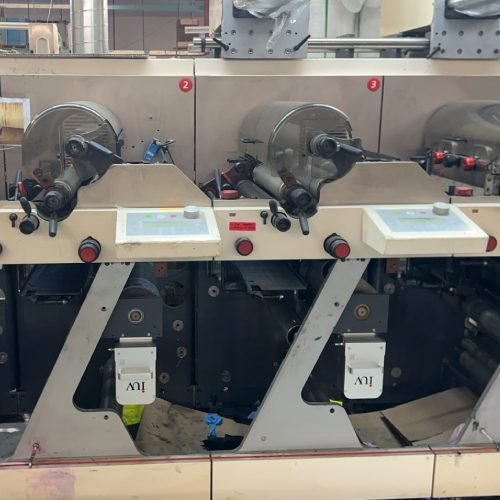
Web offset presses are built for high-speed, continuous production, making them ideal for long runs of publications, commercial products, and importantly, labels and packaging. The demands on a UV curing system in this environment are different.
High-Speed Curing Requirements: The primary challenge and advantage of web offset is speed. LED UV systems must be capable of curing ink and coatings instantaneously as the web travels at high velocities. Modern LED systems are engineered for this, offering high-intensity output that cures effectively even at speeds exceeding thousands of feet per minute.
Heat Management in a Continuous Web: While LED UV systems generate less heat than traditional lamps, managing heat within a continuous web process is still a consideration. The minimal heat transfer from LEDs prevents excessive drying or brittleness of the web material, which is crucial for flexible packaging and labels. This also reduces the risk of web breaks.
Narrow Web Label and Packaging Applications: In the narrow web sector, both flexographic and offset presses are common for label and packaging production. LED UV curing has become a dominant technology here. For label printers, the ability to print on a wide range of substrates, including heat-sensitive films, is a significant benefit. The instant curing allows for inline finishing processes like die-cutting, slitting, and lamination immediately after printing, streamlining production and reducing lead times.
Energy Efficiency: For high-volume web printers, energy consumption is a major operational cost. The significant energy savings offered by LED UV technology compared to mercury lamps can lead to substantial reductions in electricity bills, making it a compelling economic choice for continuous operation.
Long-Term Operational Costs: The extended lifespan of LED lamps (often 20,000 to 30,000 hours or more) compared to mercury lamps (typically 1,000-2,000 hours) translates to lower replacement costs and reduced downtime. For web presses running multiple shifts, this reliability and reduced maintenance overhead are invaluable.
Key Comparison Points: Sheet-Fed vs. Web Offset LED UV Systems
When comparing LED UV curing systems for these two press types, consider the following:
- Intensity and Wavelength: Both require sufficient intensity for full cure. However, web presses may demand higher peak irradiances to achieve instant cure at extreme speeds. Wavelength selection (e.g., 365nm, 385nm, 395nm, 405nm) will depend on the specific ink and coating chemistry used in either application. Some advanced systems offer tunable wavelengths.
- Cooling: While LED systems are cooler, effective cooling is still necessary, especially on high-speed web presses. Air cooling is common, but water-cooled systems might be employed for very high-power applications to manage heat buildup and maintain optimal LED performance.
- Form Factor and Integration: Sheet-fed LED units can be more compact and easier to retrofit into existing press gaps. Web press integration often requires robust, custom-engineered solutions designed to withstand the rigors of continuous high-speed operation and potential environmental factors like ink mist.
- Flexibility and Application Range: Sheet-fed presses often handle more diverse job types, so the LED system needs to be versatile with inks and substrates. Web presses, particularly in narrow web, might specialize in specific product categories (e.g., labels), allowing for a more optimized, though perhaps less adaptable, curing solution.
- Economic Justification: For sheet-fed, the justification might lean towards improved quality, faster turnaround on shorter runs, and reduced waste. For web, the economic case is often driven by massive energy savings, reduced downtime, and the ability to achieve high-speed production with immediate finishing capabilities.
Making the Right Choice for Your Press
Ultimately, the decision between LED UV curing systems for sheet-fed and web offset presses hinges on your production environment and business goals.
For sheet-fed operations prioritizing flexibility, substrate variety, and high-quality finishes on diverse print runs, an adaptable LED UV system is ideal. It enhances capabilities without compromising the press’s inherent versatility.
For web offset printers, especially those in the label and packaging sectors, LED UV curing is almost a necessity for achieving competitive speeds, reducing energy costs, and enabling inline finishing. The focus here is on robust, high-intensity systems that deliver consistent, rapid curing on a continuous web.
By carefully evaluating your press type, typical job requirements, and long-term production strategy, you can select an LED UV curing solution that provides the greatest return on investment and elevates your printing capabilities.