Traditional UV Lamps vs. LED UV Curing: A Printing Industry Showdown
The printing industry is constantly evolving. Advancements in curing technology significantly impact efficiency and product quality. For years, traditional mercury vapor UV lamps have been the standard. However, a newer technology, LED UV curing, is rapidly gaining traction. This article delves into both systems, exploring their benefits and drawbacks for various printing applications.
Understanding UV Curing
UV curing is a process that uses ultraviolet light to instantly dry or harden inks, coatings, and adhesives. This photochemical process is initiated by UV lamps, which emit light at specific wavelengths. The UV energy triggers a rapid polymerization reaction in the ink or coating, transforming it from a liquid to a solid state. This instant drying allows for faster production speeds and the use of heat-sensitive substrates.
The Reign of Traditional UV Lamps
Traditional UV lamps, typically mercury vapor lamps, have been the workhorse of UV curing for decades. They offer a broad spectrum of UV light, making them effective for a wide range of inks and coatings. These lamps are known for their high intensity, capable of delivering significant UV power.
Key characteristics of traditional UV lamps include:
- Broad Spectrum Emission: They emit UV light across a wide range of wavelengths, providing versatility for different formulations.
- High Instantaneous Power: Capable of delivering a powerful burst of UV energy.
- Lower Initial Cost: Generally, the initial purchase price of traditional UV lamp systems is lower.
- Established Technology: Widely understood and maintained within the industry.
However, traditional UV lamps come with their own set of challenges. They generate considerable heat, which can be detrimental to heat-sensitive materials. They also have a limited lifespan, requiring frequent bulb replacements. Furthermore, their energy consumption is high, contributing to increased operational costs and environmental impact. The ozone produced by mercury lamps also necessitates proper ventilation systems.
The Rise of LED UV Curing
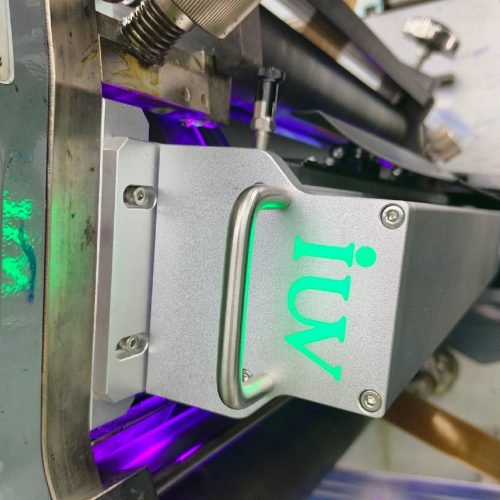
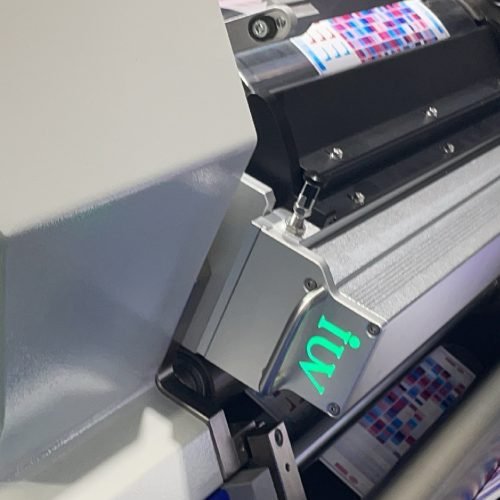
LED UV curing systems utilize light-emitting diodes (LEDs) to produce UV light. Unlike traditional lamps, LEDs emit UV light at very specific wavelengths. This targeted emission is a key differentiator. LED technology offers a more energy-efficient and environmentally friendly solution.
Advantages of LED UV curing systems are substantial:
- Energy Efficiency: LEDs consume significantly less power compared to traditional UV lamps. This translates to lower electricity bills.
- Longer Lifespan: LED systems boast an exceptionally long operational life, often exceeding 20,000 hours. This drastically reduces maintenance and replacement costs.
- Instant On/Off: LEDs can be switched on and off instantaneously, without a warm-up period. This improves workflow and reduces wasted energy.
- Cooler Operation: LEDs produce much less heat than traditional lamps. This is crucial for printing on delicate or heat-sensitive substrates like thin films or plastics.
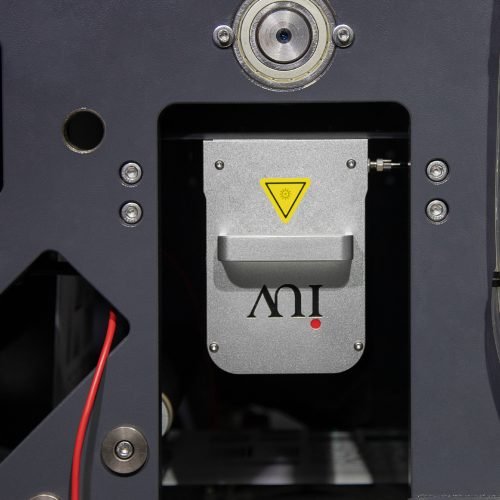
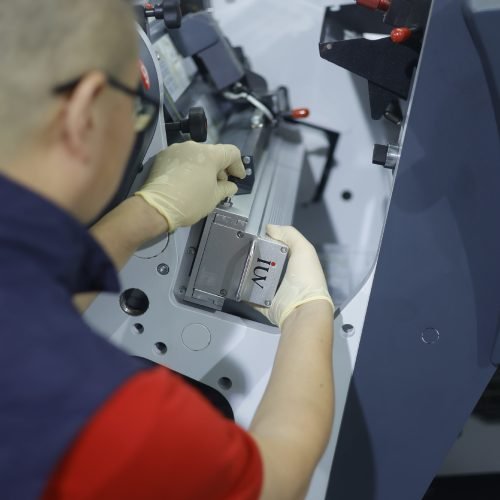
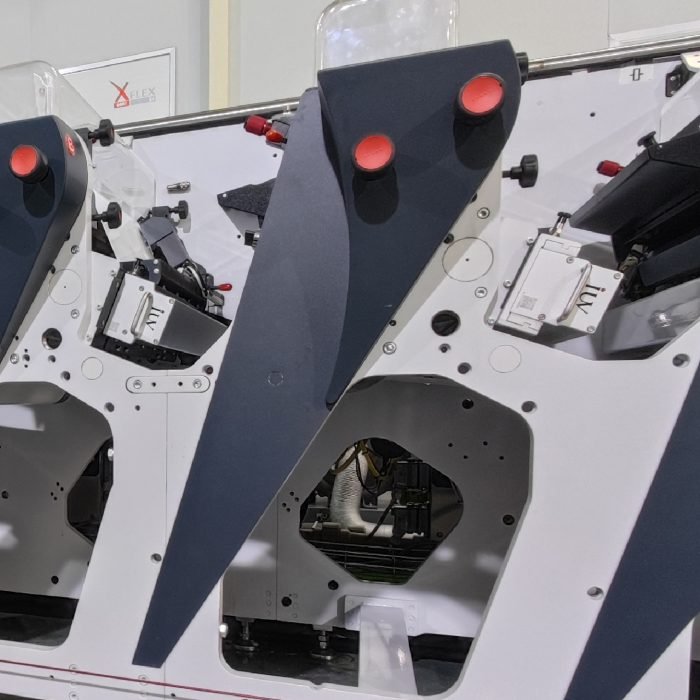
- Compact Design: LED units are generally more compact, allowing for easier integration into existing printing presses.
- Specific Wavelengths: The ability to select precise UV wavelengths allows for optimized curing of specific ink and coating formulations. This can lead to improved adhesion and performance.
- No Ozone Production: Unlike mercury lamps, LEDs do not produce ozone, eliminating the need for costly exhaust systems.
Applications in Label Printing
In the demanding world of label printing, both flexographic and offset printing methods are prevalent. UV curing plays a vital role in achieving high-quality, durable labels.
For label printing, LED UV curing offers distinct advantages:
- Substrate Versatility: The cooler operation of LEDs is perfect for printing on a wide array of label materials, including plastics and thin papers that might deform under the heat of traditional lamps.
- Fast Turnaround: Instant curing enables faster production speeds, essential for meeting tight deadlines in the label market.
- Improved Print Quality: Precise wavelength control can lead to better ink adhesion and sharper images, critical for brand presentation on labels.
- Reduced Downtime: The long lifespan of LEDs minimizes disruptions caused by bulb changes, keeping narrow web presses running efficiently.
Flexographic and Offset Printing Considerations
Flexographic and offset printing processes both benefit from UV curing.
Flexographic Printing: This popular method for narrow web printing, especially for labels and flexible packaging, relies heavily on quick curing. LED UV systems provide the necessary speed and precision for high-volume flexo runs. The reduced heat is also beneficial when working with thinner flexible films.
Offset Printing: Whether sheetfed or web offset, UV curing enhances productivity. Traditional UV lamps have long been used, but LED UV offers a more sustainable and efficient alternative. For offset, especially in commercial printing, the ability to immediately handle printed sheets without smudging is a major advantage. LED curing can improve rub resistance and gloss levels on various paper stocks.
Narrow Web Printing’s Embrace of LED
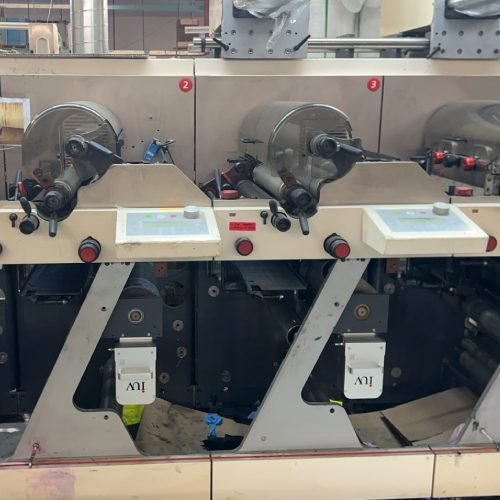
Narrow web printing, which encompasses labels and flexible packaging, has been an early adopter of LED UV technology. The compact nature of LED systems makes them ideal for retrofitting onto existing narrow web presses. The ability to cure at high speeds without overheating the substrate is paramount in this sector. This allows printers to achieve vibrant colors and durable finishes on everything from product labels to shrink sleeves.
The Future is LED
While traditional UV lamps have served the printing industry well, LED UV curing systems represent a significant leap forward. Their energy efficiency, extended lifespan, cooler operation, and precise wavelength control make them the superior choice for modern printing applications. As the demand for faster, more sustainable, and higher-quality printing grows, LED UV curing is poised to become the industry standard across label printing, flexography, offset, and narrow web applications. Embracing this technology is not just about adopting new equipment; it’s about investing in efficiency, sustainability, and a competitive edge.