Reducing Environmental Impact in Label Printing with UV Curing
Label printing demands precision and speed, but traditional methods often rely on solvent-based inks that release volatile organic compounds (VOCs). UV curing systems eliminate this issue by using instantly curable inks. When exposed to ultraviolet light, liquid inks transform into solid films without emitting harmful solvents. This reduces workplace exposure to toxins and minimizes air pollution. LED UV lamps, in particular, consume less energy than conventional mercury-based systems, aligning label production with stricter environmental regulations.
Flexographic Printing: Faster Drying, Lower Energy Use
Flexo printing thrives on versatility, yet older technologies depend on heat or evaporation for drying—processes that guzzle energy. UV curing accelerates drying times by up to 90%, allowing presses to run at higher speeds without compromising print quality. Shorter production cycles mean reduced energy consumption per unit. Additionally, UV-curable inks contain no water or solvents, eliminating the need for exhaust systems to manage fumes. For flexo printers, this translates to lower operational costs and a smaller carbon footprint.
Offset Lithography Meets Sustainable Innovation
In offset printing, achieving vibrant colors often requires heavy ink coverage and extended drying periods. UV curing disrupts this norm by enabling instant drying, even on non-porous substrates. Printers can now use thinner ink layers without sacrificing opacity, reducing material waste. The absence of spray powders or anti-setoff coatings further simplifies post-press processes. By integrating UV systems, offset printers cut energy use by up to 70% compared to traditional drying tunnels, making high-quality prints more sustainable.
Narrow Web Printing: Precision with Minimal Waste
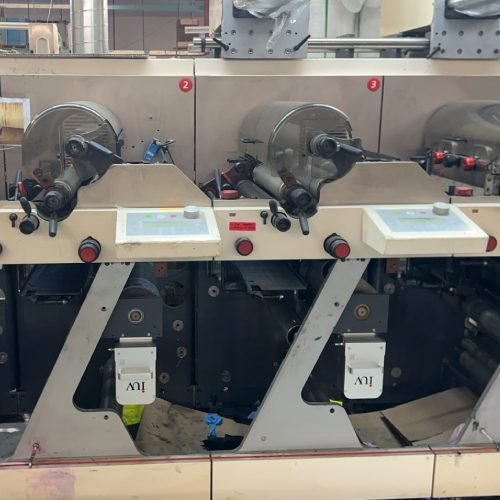
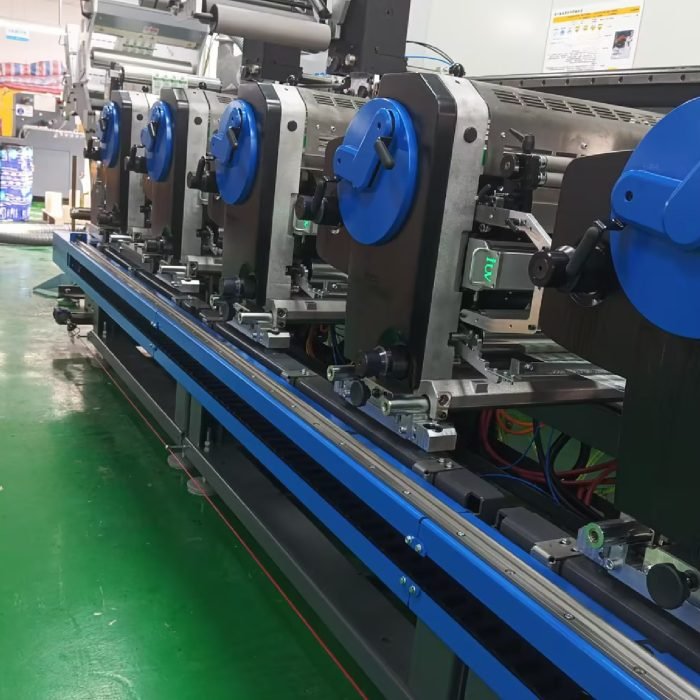
Narrow web presses excel in short runs and intricate designs, but setup changes often lead to material waste. UV curing’s rapid drying allows quicker job transitions, minimizing substrate spoilage. Inks cure on demand, preventing unintended drying on rollers or plates. This precision is critical for industries like pharmaceuticals, where label accuracy is non-negotiable. With LED UV technology, narrow web printers achieve sharper details and brighter colors while slashing waste by 30-40%.
How UV Curing Works: A Cleaner Alternative
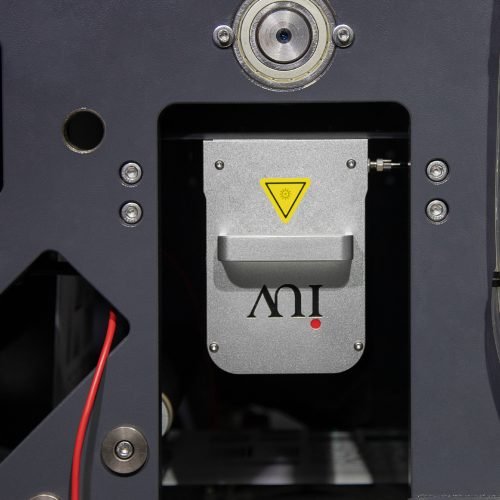
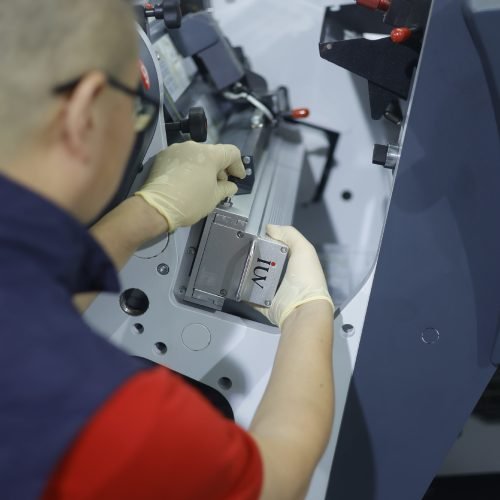
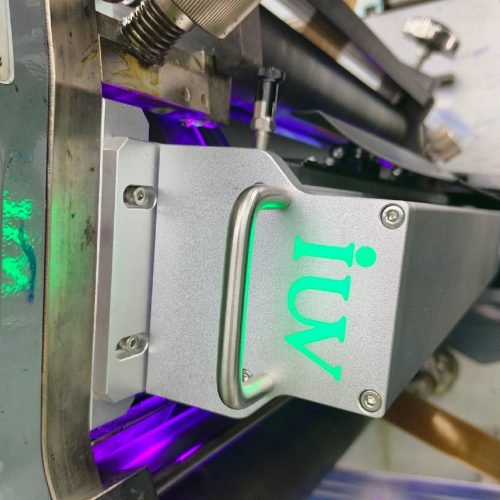
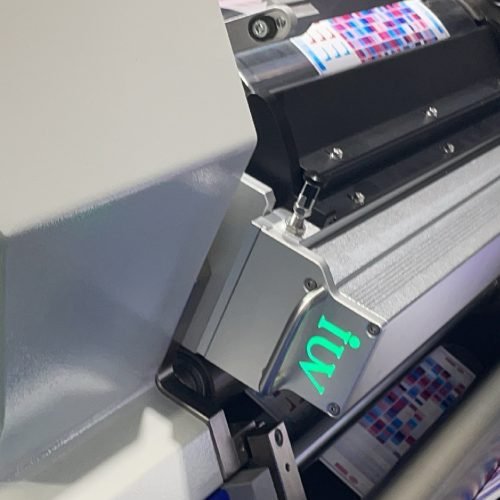
UV curing systems use photoinitiators within inks that react to specific light wavelengths. When exposed to UV light, these compounds trigger polymerization, converting liquid ink into a durable solid. Unlike solvent-based drying, this process releases no VOCs and requires no secondary cleanup. LED UV lamps offer additional advantages: they emit targeted wavelengths for optimal curing, last longer than mercury lamps, and generate minimal heat—reducing energy use by 50-70%.
Energy Efficiency: Beyond Lower Power Bills
While UV systems reduce electricity consumption, their sustainability benefits extend further. Faster curing allows continuous printing without pauses for drying, optimizing press uptime. Less heat generation decreases reliance on HVAC systems, indirectly lowering energy demands. Printers also save resources by reusing substrates that might warp under traditional drying methods. Over time, these cumulative efficiencies make UV technology a cornerstone for eco-conscious print facilities.
Waste Reduction Through Process Optimization
Conventional printing generates waste through overspray, spoiled substrates, and chemical cleanup. UV curing mitigates these issues: instant drying prevents ink smudging, while precise application reduces over-inking. Inks remain stable until cured, minimizing batch contamination. Many UV-curable inks are also compatible with recycling programs, supporting circular economy initiatives. For printers, this means fewer landfill contributions and lower disposal costs.
Long-Term Durability, Fewer Repeats
UV-cured prints resist fading, scratching, and moisture, extending product lifespans. Labels and packaging maintain integrity in harsh environments, reducing the need for reprints. This durability is vital for industries like automotive or outdoor advertising, where material failure carries high costs. By delivering longer-lasting results, UV systems help clients minimize resource consumption over time.
Adoption Challenges and Solutions
Initial investments in UV equipment can deter smaller printers. However, modular systems allow gradual integration, spreading costs over time. Training staff to handle UV-specific workflows ensures smooth transitions. Manufacturers now offer eco-friendly ink formulations at competitive prices, easing the shift from solvent-based alternatives.
Future-Proofing the Printing Industry
As global regulations tighten, UV curing positions printers ahead of compliance curves. Brands increasingly prioritize sustainable partners, making UV adoption a competitive differentiator. Ongoing advancements in LED technology and biodegradable ink components promise even greener solutions. By embracing UV systems now, printers invest in scalable, eco-friendly production methods that meet evolving market demands.
The shift toward UV curing reflects the printing industry’s commitment to balancing quality with planetary responsibility. From labels to packaging, these systems prove that sustainability and high performance aren’t mutually exclusive. As technology evolves, printers who adopt these innovations today will lead tomorrow’s eco-conscious market.