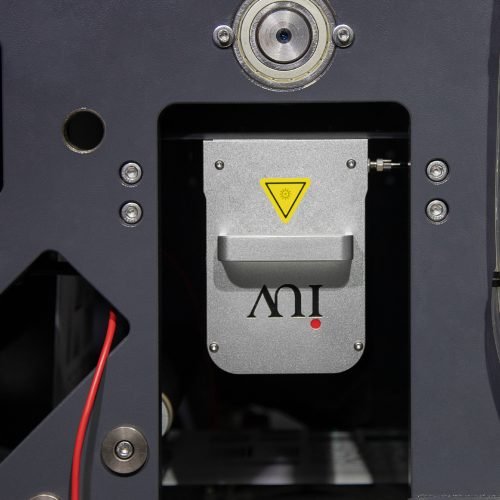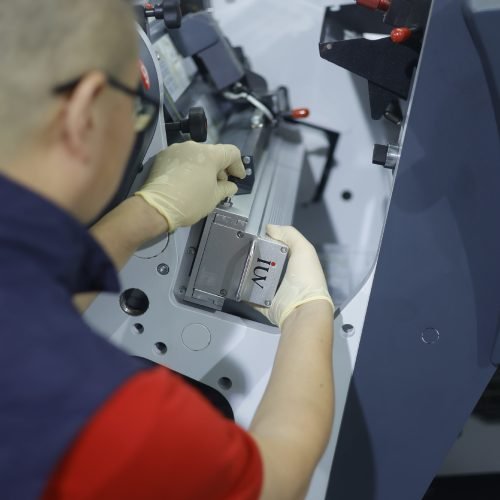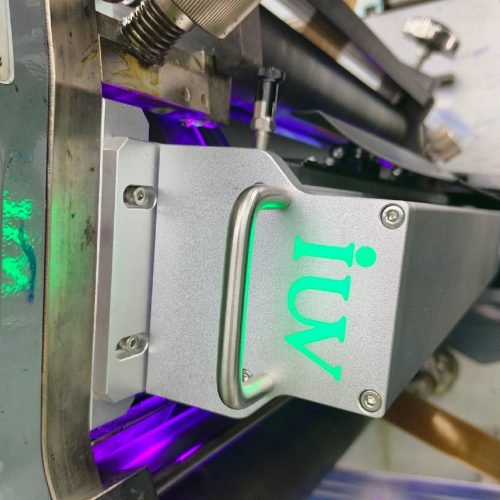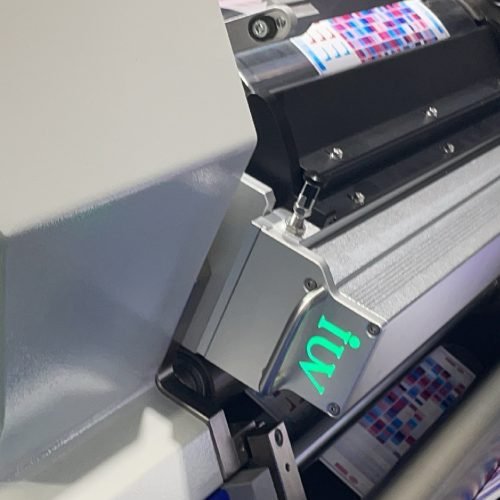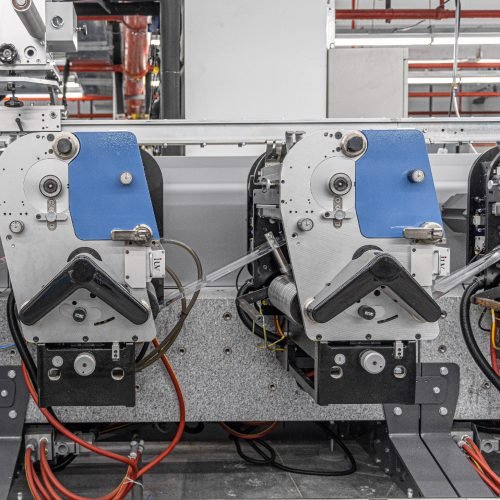
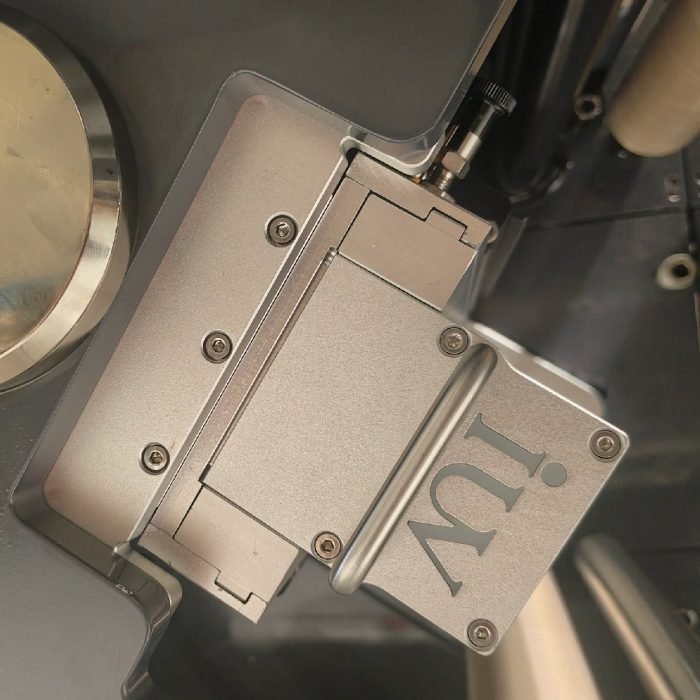
The landscape of narrow-web flexographic printing is constantly evolving, driven by demands for increased efficiency, enhanced sustainability, and superior print quality. For converters focusing on labels and flexible packaging, staying ahead of these trends is paramount. One of the most significant advancements impacting the industry today is the shift towards energy-efficient curing solutions, with LED UV curing emerging as the undisputed frontrunner for the future of narrow-web flexo printing.
This transition isn’t just about adopting new technology; it represents a fundamental change in how print operations function, offering tangible benefits that resonate across the entire production cycle. From reduced energy consumption to improved press performance and a healthier working environment, LED UV curing is redefining what’s possible in label and packaging production.
The Traditional UV Curing Paradigm and its Limitations
For decades, conventional UV curing systems, typically employing mercury vapor lamps, have been the standard in flexographic printing. These systems have served the industry well, providing rapid curing of inks and coatings that is essential for high-speed printing processes. However, these older technologies come with a set of inherent drawbacks that are becoming increasingly problematic in today’s competitive and environmentally conscious market.
Mercury vapor lamps operate at high temperatures, generating a significant amount of heat. This excess heat not only contributes to higher energy bills but also poses challenges for heat-sensitive substrates, potentially leading to material distortion or degradation. Managing this heat often requires sophisticated and energy-intensive cooling systems, further increasing operational costs and complexity.
Furthermore, mercury vapor lamps have a limited lifespan and require frequent replacement. The disposal of spent lamps, which contain hazardous mercury, also presents environmental concerns and additional costs for specialized waste management. The warm-up and cool-down cycles associated with these lamps can also impact press uptime, as operators wait for the lamps to reach optimal operating temperatures or cool down before making adjustments.
The spectral output of mercury lamps is broad, meaning they emit energy across a wide range of wavelengths, including those that are not efficiently utilized for curing inks. This inefficiency translates directly into wasted energy and reduced overall curing effectiveness.
The Rise of LED UV Curing: A Paradigm Shift
Light Emitting Diode (LED) UV curing technology offers a compelling alternative to traditional mercury lamp systems. LEDs are semiconductor devices that emit light when an electric current passes through them. In the context of UV curing, specific LEDs are engineered to emit UV light within narrow spectral bands, precisely matched to the absorption peaks of UV-curable inks and coatings.
This targeted spectral output is a game-changer. Instead of wasting energy on wavelengths that don’t contribute to curing, LED systems deliver concentrated energy exactly where it’s needed. This highly efficient energy transfer results in a substantial reduction in overall power consumption compared to traditional UV systems.
The energy savings are not merely marginal; they can be dramatic. Many converters report energy cost reductions of 50% or more after switching to LED UV curing. This directly impacts the bottom line, making operations more profitable and competitive.
Key Advantages of LED UV Curing in Narrow-Web Flexo
The benefits of LED UV curing extend far beyond energy savings, offering a holistic improvement to narrow-web flexo printing operations.
1. Superior Energy Efficiency and Cost Savings: As highlighted, the most significant advantage is the reduced energy consumption. LED systems typically consume 70-80% less energy than their mercury vapor counterparts. This not only lowers electricity bills but also reduces the carbon footprint of the printing operation, aligning with corporate sustainability goals and meeting increasing customer demand for eco-friendly products.
2. Instant On/Off Capability and Increased Uptime: Unlike mercury lamps that require warm-up and cool-down periods, LEDs can be switched on and off instantaneously. This means that as soon as the print job starts, the LEDs are at full power, and they can be turned off immediately when the job stops. This eliminates wasted energy during idle periods and significantly improves press uptime by reducing setup and changeover times.
3. Extended Lamp Lifespan: LED lamps have a considerably longer operational lifespan than mercury vapor lamps, often lasting 20,000 to 50,000 hours or more, compared to the 1,000 to 3,000 hours typical for mercury lamps. This dramatically reduces the frequency of lamp replacements, leading to lower maintenance costs and less production interruption.
4. Reduced Heat Generation: LEDs emit very little infrared (IR) heat. This is crucial for printing on a wide variety of substrates, especially thin films, heat-sensitive plastics, and paper-based materials. The reduced heat prevents substrate distortion, warping, or shrinkage, allowing for more consistent print quality and the ability to use a broader range of materials. This also means less need for extensive cooling systems, further contributing to energy savings and a simpler press design.
5. Consistent Curing Performance: The stable and consistent output of LEDs ensures uniform curing across the entire web width and throughout the lifespan of the lamps. This leads to predictable and repeatable print quality, reducing waste and rework due to inconsistent curing. The narrow spectral output also means better utilization of the UV energy, leading to thorough and reliable curing of inks and coatings.
6. Environmental Benefits: The absence of mercury in LED lamps eliminates the hazardous waste associated with traditional UV systems. This simplifies disposal and contributes to a safer and more environmentally responsible printing process. The overall reduction in energy consumption also contributes to a lower carbon footprint for the printing operation.
7. Enhanced Print Quality and Versatility: The precise control over the UV output allows for excellent curing of a wide range of UV-curable inks and coatings, including water-based UV, conventional UV, and specialty coatings. This enhances adhesion, scratch resistance, and overall durability of the printed product. The ability to use lower energy settings for certain applications also provides greater flexibility.
Addressing the “Narrow-Web” Specifics
The demands of narrow-web printing, particularly for labels and flexible packaging, make LED UV curing particularly well-suited. High-speed running is common, and the instantaneous on/off capability of LEDs perfectly matches the frequent start-stop nature of many label printing jobs. The requirement for precise registration and sharp detail benefits from the consistent and controlled curing that LEDs provide, preventing ink spread or distortion.
Furthermore, the versatility to print on a wide array of substrates, from self-adhesives to unsupported films, is critical in the narrow-web sector. The low heat output of LEDs is a significant advantage when working with delicate or heat-sensitive materials that are prevalent in label and flexible packaging applications.
The Future of Narrow-Web Flexo is LED UV
The integration of LED UV curing technology into narrow-web flexographic presses is not a distant possibility; it is the present reality and the clear path forward. Converters who embrace this technology will find themselves better positioned to meet the evolving demands of their customers and the market at large.
The initial investment in LED UV curing systems may be higher than for traditional UV systems, but the long-term operational savings in energy, maintenance, and reduced waste, coupled with the enhanced productivity and environmental benefits, make it a financially sound and strategically imperative choice.
As ink and coating manufacturers continue to develop formulations optimized for LED curing, and as press manufacturers increasingly integrate LED technology as standard, the adoption rate is only set to accelerate. For any business involved in narrow-web flexographic printing, understanding and implementing LED UV curing solutions is no longer optional – it is a critical step towards securing a sustainable, efficient, and profitable future.