Elevating Label Performance: The Power of LED UV Curing
The demand for high-quality, durable labels is constantly growing. Whether for product identification, branding, or regulatory compliance, labels need to withstand a variety of conditions. From exposure to light and moisture to abrasion and chemical contact, the longevity of a label is paramount. This is where advanced curing technologies come into play, and at the forefront is LED UV curing. This innovative method offers a significant leap in enhancing label durability across various printing processes.
Understanding the Core: UV Curing for Labels
Traditional curing methods often involve heat or air drying, processes that can be slow, energy-intensive, and sometimes compromise ink adhesion or substrate integrity. UV curing, on the other hand, utilizes ultraviolet light to initiate a rapid photochemical reaction. This reaction transforms liquid ink or coating into a solid, durable film almost instantaneously. The benefits are substantial: faster production speeds, reduced energy consumption, and inks that offer superior resistance to fading, scratching, and chemicals.
The Evolution: From Mercury Lamps to LED UV
Historically, UV curing relied on mercury vapor lamps. While effective, these lamps generated significant heat, required warm-up and cool-down periods, and contained hazardous materials. The advent of Light Emitting Diode (LED) UV curing technology has revolutionized the field. LEDs emit UV light at specific, narrower wavelengths, offering a more targeted and efficient curing process. This precision translates directly into better ink performance and enhanced label durability.
Why LED UV Curing Boosts Label Durability
LED UV curing offers distinct advantages that directly impact how well your labels hold up over time.
- Superior Ink Adhesion: The specific wavelengths emitted by LEDs promote a more complete and uniform cure. This results in inks that bond more effectively to a wider range of substrates, from glossy papers to challenging plastics. Stronger adhesion means less ink flaking or peeling, even under stress.
- Enhanced Chemical Resistance: Labels often encounter cleaning agents, oils, or industrial chemicals. LED UV cured inks form a dense, cross-linked polymer matrix. This structure creates a robust barrier, significantly improving resistance to chemical attack and preventing smudging or degradation.
- Exceptional Scratch and Abrasion Resistance: Products are handled, shipped, and displayed. Labels must resist scuffs and scratches. The tightly bonded structure achieved with LED UV curing provides a harder, more resilient surface, protecting the printed image from physical damage.
- Consistent Curing Performance: Unlike mercury lamps that degrade over time, LEDs maintain their output consistency. This ensures every label is cured to the same high standard, guaranteeing uniform durability across entire print runs. This consistency is vital for maintaining brand integrity and product information legibility.
- Wider Substrate Compatibility: The lower heat output of LED UV systems allows for curing on heat-sensitive materials. This broadens the range of substrates you can use for your labels, enabling greater design flexibility without sacrificing durability.
LED UV in Flexographic Printing
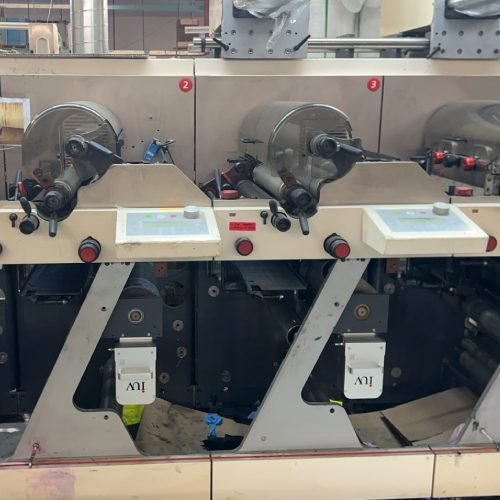
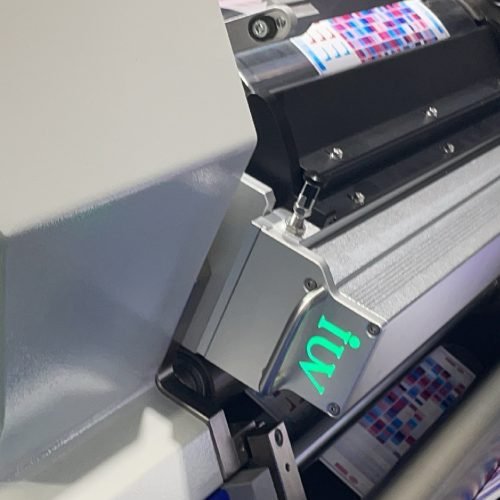
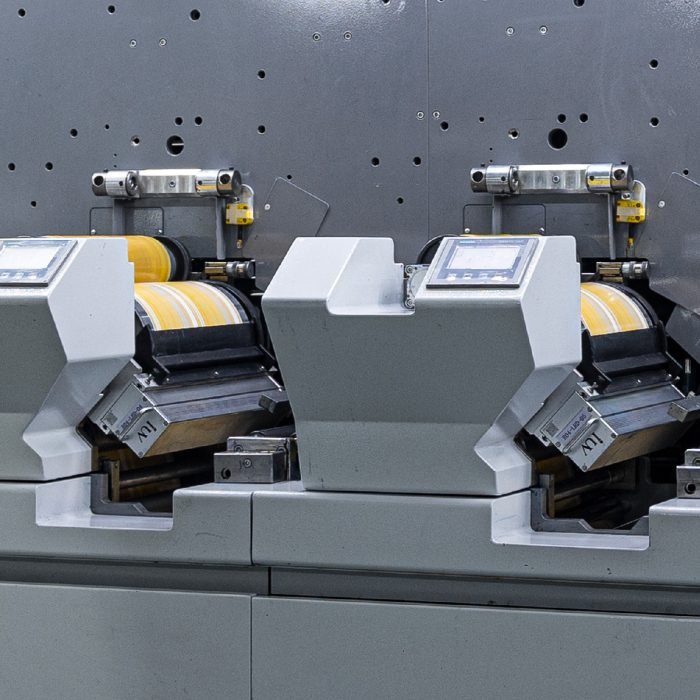
Flexography, or flexo printing, is a cornerstone of narrow-web label production. Integrating LED UV curing into flexo presses brings significant advantages:
- Faster Press Speeds: LED UV units allow presses to run at higher speeds because the ink cures instantly. This boosts productivity dramatically for narrow-web applications.
- Improved Print Quality: The sharp, detailed imagery typical of flexo printing is further enhanced. Reduced ink spread and better dot gain control contribute to sharper graphics.
- Cost Savings: Reduced energy consumption compared to traditional lamps and faster job turnaround times contribute to lower operating costs.
- Environmental Benefits: LED systems are more energy-efficient and mercury-free, aligning with sustainability goals.
LED UV in Offset (Lithographic) Printing
Offset printing is known for its ability to produce high-resolution, consistent images. When coupled with LED UV curing, especially in narrow-web offset presses:
- Brilliant Color Reproduction: The enhanced ink film integrity allows for vibrant colors that remain true and resist fading, even in challenging light conditions.
- Versatility on Different Stocks: Offset presses can handle a wide array of paper and film stocks. LED UV curing ensures excellent adhesion and durability on all these materials.
- Reduced Drying Times: Eliminates the need for inter-deck drying, streamlining the printing process and allowing for immediate handling and finishing.
Narrow-Web Printing and LED UV Synergy
The narrow-web printing sector, heavily involved in label and packaging production, is a natural fit for LED UV curing. This technology is particularly well-suited for:
- High-Mix, Low-Volume Jobs: The instant on/off nature of LEDs means no waiting for lamps to warm up or cool down between short runs. This significantly reduces makeready times and waste.
- Specialty Labels: Producing labels with metallic effects, textured finishes, or vibrant spot colors benefits greatly from the precise control and superior ink film quality offered by LED UV.
- Extended Press Uptime: Less downtime for maintenance related to lamps and more consistent performance contribute to higher overall equipment effectiveness.
Conclusion: Investing in Durability and Performance
Enhancing label durability is not just about aesthetics; it’s about ensuring functionality, protecting brand reputation, and meeting stringent industry standards. LED UV curing technology offers a powerful, efficient, and versatile solution. By embracing this advanced curing method in your flexographic, offset, or other narrow-web printing operations, you invest in labels that not only look exceptional but also perform reliably under demanding conditions. This translates to greater customer satisfaction and a stronger competitive edge in the marketplace.