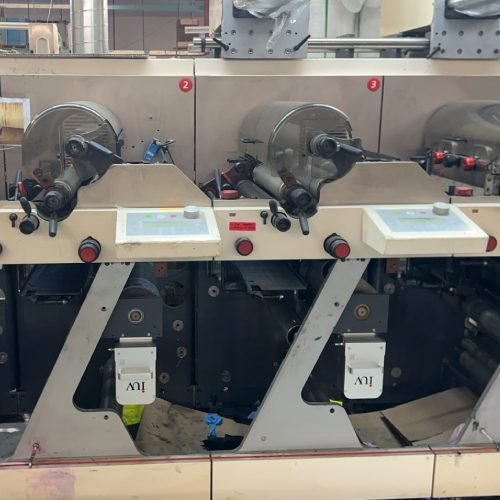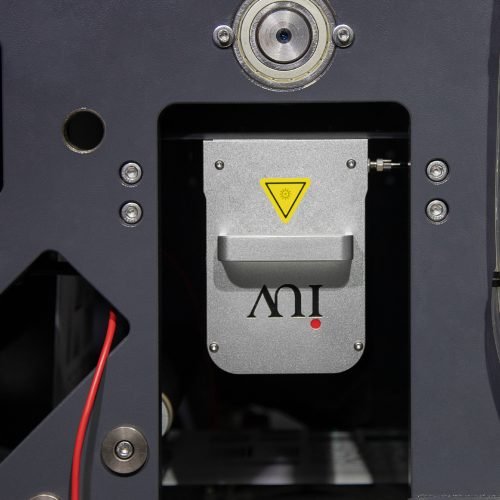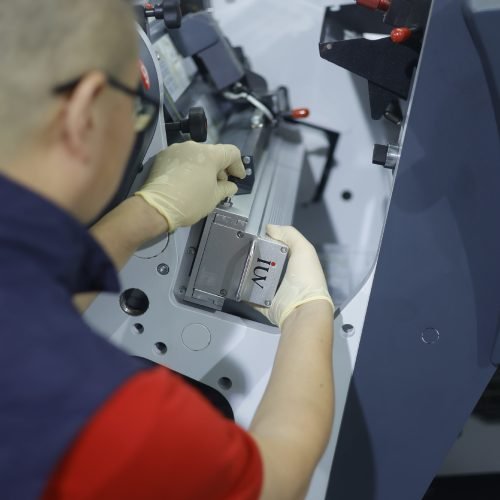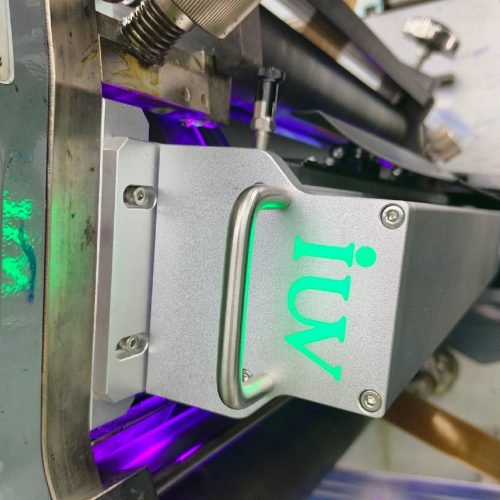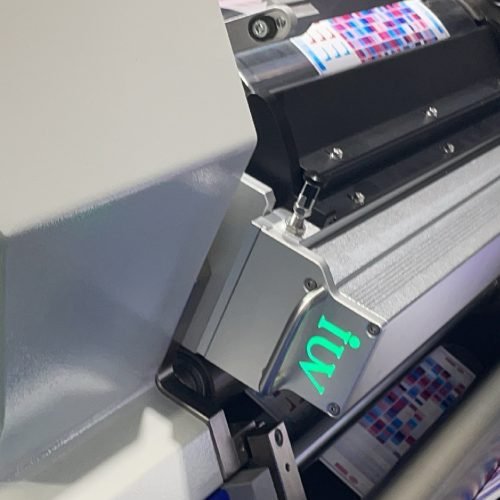
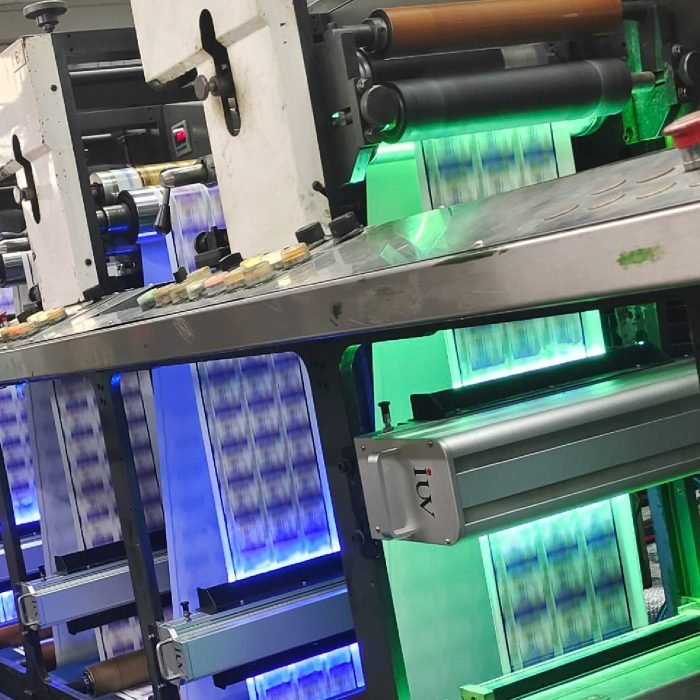
In the competitive world of label and narrow web printing, achieving exceptional print quality is paramount. Sharpness and precise line definition are not just aesthetic qualities; they directly impact brand perception, product information legibility, and overall customer satisfaction. For years, printers have sought methods to elevate their output, and the advent of LED UV curing systems has proven to be a significant advancement in this pursuit.
This technology offers a transformative approach to ink drying, directly influencing how ink behaves on the substrate and ultimately affecting the final printed image. Understanding the interplay between LED UV curing and ink characteristics is key to unlocking superior sharpness and line definition.
The Science Behind Sharpness: Ink Behavior and Curing
Print sharpness, in essence, refers to the clarity and distinctness of printed elements, particularly fine lines, text, and details. Line definition is the ability of the printing process to reproduce sharp, well-defined edges without bleeding or spreading. Several factors contribute to these qualities, including the ink formulation, the printing plate or anilox roll, substrate porosity, and, crucially, the drying or curing process.
Traditional drying methods, like heat or electron beam (EB) curing, can sometimes lead to ink migration or spreading before it fully sets. This can soften edges and blur fine details. UV curing, in general, offers a faster, more controlled drying process by initiating a photochemical reaction that solidifies the ink almost instantaneously.
LED UV Curing: A Precision Tool for Sharpness
LED UV curing systems represent a leap forward from traditional mercury lamp UV systems. Instead of a broad spectrum of UV light, LEDs emit specific wavelengths, which can be precisely matched to the photoinitiators in UV-curable inks. This targeted energy delivery offers several advantages directly impacting print sharpness and line definition.
- Instantaneous Curing: LED UV curing solidifies ink on the surface of the substrate almost immediately upon exposure. This rapid solidification prevents ink from spreading or wicking into the substrate, preserving the integrity of fine lines and dots. The ink is essentially locked in place, maintaining its original printed shape.
- Reduced Heat Transfer: Compared to mercury lamps, LED UV systems generate significantly less heat. Excessive heat can cause the substrate to expand and contract, or even lead to ink flow. By minimizing heat transfer, LED curing helps maintain substrate stability and prevents any heat-induced ink movement that could compromise sharpness.
- Wavelength Specificity: The ability to select specific UV wavelengths allows for optimized curing of specialized UV inks. This precise control ensures that the photoinitiators are activated efficiently, leading to a complete and uniform cure. An incomplete cure can result in softer edges and reduced definition.
- Uniform Energy Output: LED UV systems are designed to provide a highly uniform energy output across the curing width. This consistency is vital for achieving even ink solidification, preventing variations in sharpness and definition across the printed web. Inconsistent curing can lead to areas that appear sharper than others, detracting from the overall print quality.
Impact on Different Printing Processes
The benefits of LED UV curing are particularly pronounced in processes where fine detail and sharp edges are critical, such as flexographic and offset printing, commonly used in label and narrow web applications.
Flexographic Printing and LED UV:
Flexographic printing relies on raised printing plates and anilox rolls to transfer ink. The precision of these components is essential for sharp results. In flexo, ink transfer is dynamic, and the ability of the ink to set quickly is crucial.
- Improved Dot Gain Control: LED UV curing helps control dot gain by instantly solidifying the ink droplet upon transfer. This prevents the ink from spreading outwards once it hits the substrate, ensuring that dots retain their intended size and shape. Smaller, sharper dots translate to finer detail and crisper images.
- Sharp Line Edges: The immediate curing action prevents ink from bleeding outwards from the edges of printed characters or lines. This is especially important for small text and intricate graphics, where clean, well-defined edges are a hallmark of high-quality printing.
- Substrate Versatility: LED UV inks can be formulated to cure on a wide range of substrates, including less porous materials often used in label printing. The rapid surface cure provided by LED UV is ideal for these substrates, preventing ink absorption that would soften definition.
Offset Printing and LED UV:
In offset lithography, particularly for narrow web applications, ink trapping and film thickness are critical. LED UV curing enhances sharpness in several ways:
- Controlled Ink Transfer: Offset printing involves a more complex ink transfer system. LED UV’s rapid curing ensures that the ink layer sets almost instantly, minimizing the chance of smudging or blurring during subsequent printing units or finishing processes.
- Enhanced Contrast: By preventing ink spread, LED UV curing contributes to higher contrast between printed elements and the substrate. This makes text and graphics appear bolder and more distinct, improving overall legibility and visual impact.
- Faster Production Speeds: The efficient curing enabled by LED UV technology allows printers to run their presses at higher speeds without compromising quality. This increased productivity, combined with superior sharpness, offers a significant competitive advantage.
Ink Formulations for Enhanced Sharpness
Modern UV-curable ink formulations are designed to take full advantage of LED UV curing technology. These inks often contain highly reactive photoinitiators that respond optimally to the specific wavelengths emitted by LED lamps.
- High Reactivity Photoinitiators: These are specifically chosen for their ability to absorb the energy at LED wavelengths and initiate rapid polymerization. This leads to a faster and more complete cure, contributing to sharper ink films.
- Viscosity and Rheology: Ink manufacturers carefully control the viscosity and rheological properties of UV inks. These characteristics influence how the ink transfers from the plate or anilox, and how it spreads on the substrate. Properly formulated inks, when cured rapidly by LED UV, minimize spreading and maintain sharp edges.
- Pigment Dispersion: The fine dispersion of pigments within the ink is crucial for color vibrancy and detail. LED UV curing ensures that the ink film solidifies uniformly around these pigment particles, preventing them from clumping or migrating in a way that would blur details.
Optimizing Your LED UV Curing System for Sharpness
To maximize the benefits of LED UV curing for print sharpness and line definition, several factors need careful consideration:
- Wavelength Matching: Ensure your LED UV system’s wavelengths are perfectly matched to the photoinitiators in your chosen ink system. Mismatched wavelengths can lead to incomplete curing and compromise print quality. Consult with your ink supplier for recommendations.
- Irradiance Levels: The intensity of the UV energy (irradiance) delivered by the LEDs is critical. Too little irradiance will result in an incomplete cure, while excessively high levels may not always be necessary and can be less efficient. Optimize irradiance based on your ink, substrate, and press speed.
- Dose and Exposure Time: The total amount of UV energy delivered to the ink (dose) is a product of irradiance and exposure time (press speed). Finding the right balance is key. Faster press speeds require higher irradiance to achieve the same dose.
- Positioning and Cooling: Proper positioning of the LED UV lamps relative to the print station is essential for consistent exposure. Effective cooling of the LED lamps is also important for maintaining their performance and longevity, ensuring consistent energy output over time.
- Anilox Roll / Plate Selection: While LED UV curing significantly impacts sharpness, it’s still vital to use high-quality printing plates or anilox rolls with fine engraving. The best curing system cannot compensate for poor imaging elements.
Beyond Curing: The Holistic Approach to Sharpness
While LED UV curing is a powerful tool for enhancing print sharpness, it’s part of a larger picture. A holistic approach that considers all aspects of the printing process is always beneficial:
- Substrate Quality: The surface characteristics of your substrate play a role. Smooth, non-porous substrates generally offer better ink holdout and contribute to sharper prints.
- Pressroom Environment: Maintaining a stable pressroom environment, including temperature and humidity, can influence ink viscosity and substrate behavior, indirectly affecting print sharpness.
- Maintenance and Calibration: Regular maintenance of printing presses, including anilox rolls, doctor blades, and plates, is crucial. Ensuring all components are clean, calibrated, and in good working order is fundamental to achieving consistent, sharp results.
Conclusion
For label and narrow web printers striving for the highest levels of print quality, LED UV curing systems offer a sophisticated and effective solution for achieving superior sharpness and line definition. By providing precise, instantaneous curing with reduced heat, these systems lock in ink, preserve fine details, and contribute to visually stunning printed products. When combined with optimized ink formulations and a comprehensive understanding of the printing process, LED UV technology empowers printers to meet and exceed the demands of today’s discerning brands and consumers.