Alright, let’s dive deep into the fascinating world of LED UV curing and its impact on high-opacity white ink printing. This is a topic that really bridges the gap between cutting-edge technology and practical, everyday print production. You’ve hit on a crucial area, especially for narrow web, flexo, and offset printing. Here’s an article crafted to resonate with industry professionals, focusing on clarity and actionable insights.
The demand for vibrant, opaque white inks is a constant in the label and packaging industry. Brands want their designs to pop, to have a premium feel, and to stand out on crowded shelves. Achieving this with traditional printing methods can be a challenge, often requiring multiple passes or specialized inks that don’t always play well with standard curing processes. This is where LED UV curing systems are stepping in, revolutionizing how we achieve that brilliant, opaque white.
The Challenge of High-Opacity White Ink
White ink, by its nature, needs to provide coverage. It’s often used as a base layer to make subsequent colors more vibrant, or as a standalone element for impactful design. The pigments used in high-opacity whites are dense. This density can make them difficult to cure effectively with conventional UV lamps. Traditional mercury vapor lamps emit a broad spectrum of UV light, some of which can initiate curing. However, the opacity means that the light struggles to penetrate the ink film and reach the photoinitiators at the bottom. This can lead to inks that are not fully cured, resulting in poor adhesion, scratch resistance, and potential migration issues – all critical failures in the demanding world of labels and packaging.
Furthermore, traditional UV lamps generate significant heat. For narrow web printing, especially on heat-sensitive substrates like certain films or delicate papers, this heat can cause warping, shrinking, or even deformation of the material. This limits press speed and introduces costly production hurdles.
Enter LED UV Curing: A New Paradigm
LED UV curing technology offers a fundamentally different approach. Instead of a broad spectrum, LEDs emit UV light at very specific wavelengths. For curing inks, this typically means wavelengths around 365 nm, 385 nm, 395 nm, or 405 nm. The beauty of this targeted approach lies in its efficiency and controllability.
The key advantage for high-opacity white inks is that the specific wavelengths emitted by LEDs can be tailored to match the absorption peaks of the photoinitiators in the ink formulation. This means more of the emitted UV energy is effectively used to drive the polymerization process, even through dense ink layers. The light penetrates more efficiently, leading to a more thorough and consistent cure from the surface to the very bottom of the ink film.
Benefits for Narrow Web, Flexo, and Offset Printing
The implications for narrow web, flexo, and offset printing are substantial. These printing methods, often operating at high speeds, demand reliable and efficient curing solutions.
1. Enhanced Adhesion and Durability: With LED UV, the thorough curing of white ink translates directly into superior adhesion to a wide range of substrates. This is paramount for labels that need to withstand demanding conditions, from refrigeration to handling. The increased cross-linking of the ink polymers also leads to improved scratch and abrasion resistance, crucial for maintaining visual appeal throughout a product’s lifecycle.
2. Higher Press Speeds: Because LED systems are highly efficient at curing, printers can often achieve full cure at higher press speeds compared to traditional methods. This is a significant productivity booster, allowing for greater throughput without compromising quality. The targeted nature of the light means less wasted energy and a more robust curing process.
3. Substrate Versatility: The lower heat output of LED systems is a game-changer for heat-sensitive substrates. This opens up a wider range of material options for label designers and printers, including thinner films, recycled materials, and delicate papers, all without the risk of heat-induced damage. This flexibility is invaluable in a market constantly seeking sustainable and innovative packaging solutions.
4. Consistent Ink Performance: LED UV curing provides a more stable and predictable curing environment. The output of an LED lamp is consistent over its lifespan, unlike mercury lamps which degrade over time. This consistency ensures that the white ink performs reliably run after run, reducing waste and the need for constant adjustments.
5. Environmental Advantages: LED UV systems are more energy-efficient than their mercury vapor counterparts. They consume less power and have a longer operational lifespan, contributing to a reduced carbon footprint. Furthermore, they do not contain mercury, making disposal more environmentally friendly.
Formulating for LED UV Success
It’s not just about the curing system; the ink formulation is equally critical. Ink manufacturers have developed specific LED UV curable white inks designed to work optimally with these systems. These formulations often feature:
- Optimized Photoinitiator Packages: Tailored to absorb the specific wavelengths emitted by LED lamps, ensuring efficient energy transfer and polymerization.
- High-Quality Pigments: Selected for their opacity and their compatibility with the LED UV curing chemistry, ensuring excellent color strength without hindering cure speed.
- Advanced Resin Systems: Designed to provide excellent adhesion, flexibility, and chemical resistance after curing.
Printers working with high-opacity white inks should consult with their ink suppliers to ensure they are using formulations specifically designed for LED UV curing. Compatibility is key to unlocking the full potential of this technology.
Integration into Existing Presses
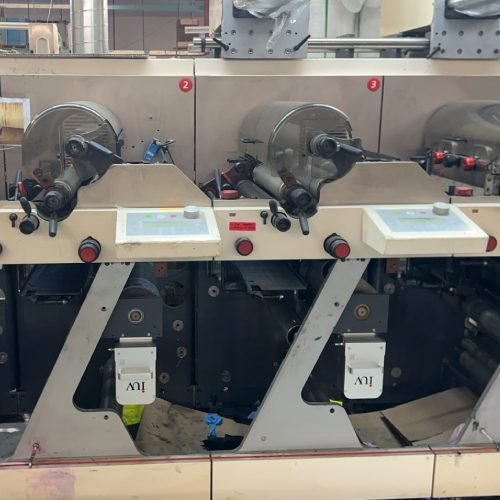
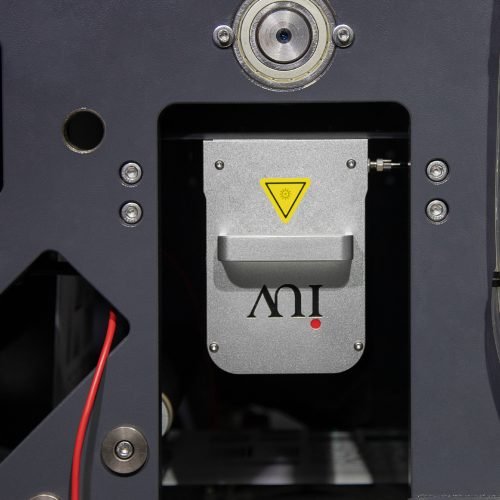
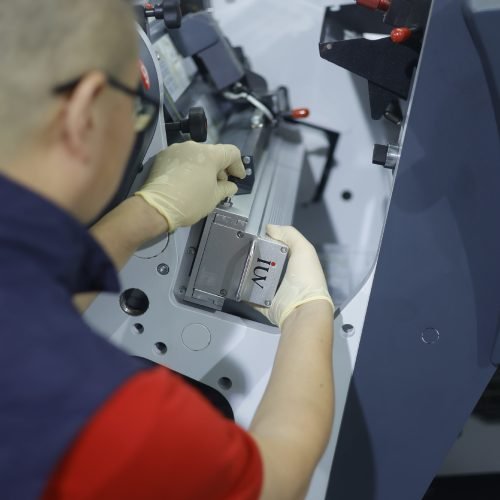
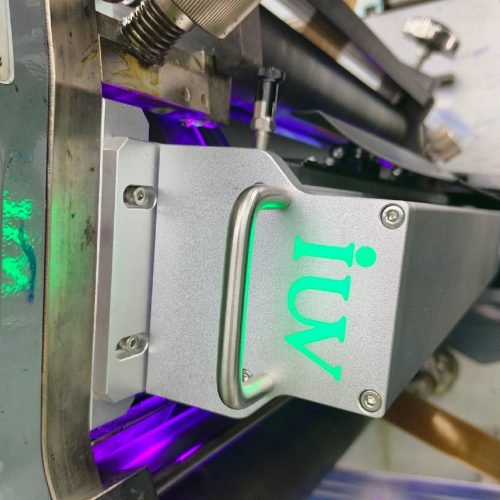
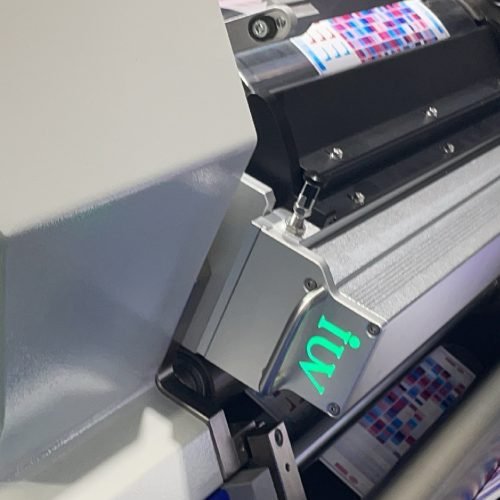
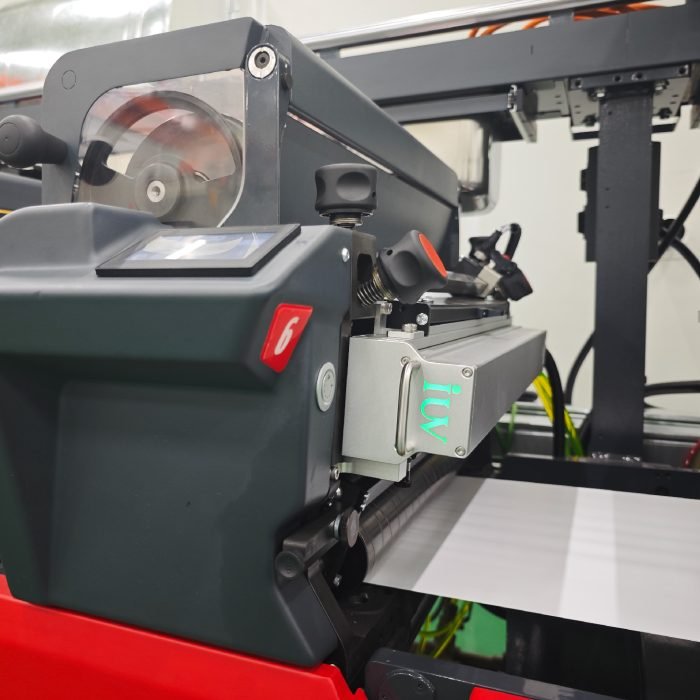
One of the practical advantages of LED UV technology is its relative ease of integration into existing narrow web flexographic and offset presses. Modular LED UV curing units can be retrofitted into press lines, replacing older UV lamps or electron beam (EB) curing stations. This allows printers to upgrade their capabilities without a complete press overhaul, making the transition to this advanced technology more accessible.
The compact nature of LED heads also means they can be positioned closer to the printing units, minimizing the distance the ink travels before curing. This can further enhance print quality and reduce the risk of ink spread or contamination.
The Future is Bright (and Opaque White)
The role of LED UV curing systems in high-opacity white ink printing is no longer a niche application; it’s becoming a standard for high-performance printing. As the technology continues to evolve, we can expect even more efficient and versatile LED systems, coupled with ink formulations that push the boundaries of what’s possible.
For printers in the narrow web, flexo, and offset sectors, embracing LED UV curing for their white ink applications is not just about keeping up with trends; it’s about gaining a competitive edge. It’s about achieving superior print quality, enhancing production efficiency, expanding substrate options, and ultimately, delivering the vibrant, durable, and eye-catching labels and packaging that brands demand. The clarity, opacity, and resilience that LED UV enables for white ink printing are transforming how visual communication is achieved on press.