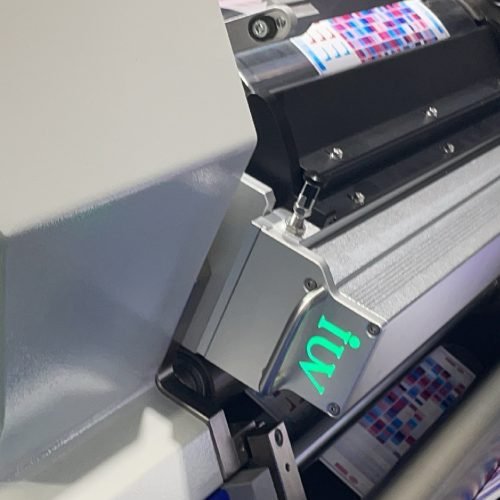
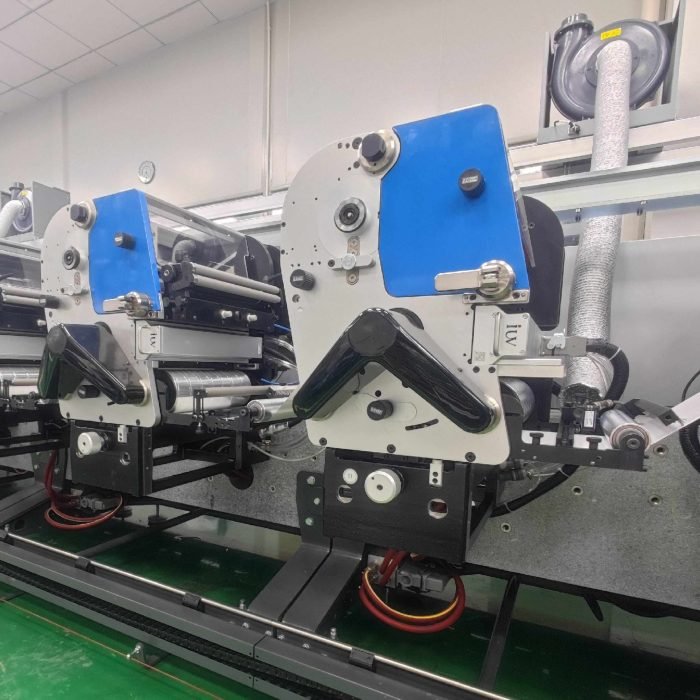
Enhancing Print Versatility Through Advanced LED Curing
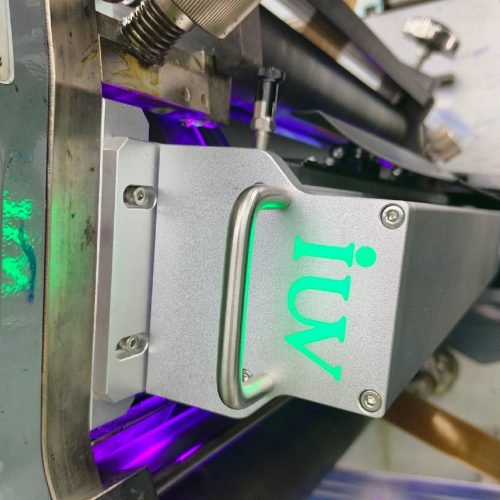
Modern offset printing demands adaptability. As substrates diversify—from delicate films to textured materials—achieving consistent curing without compromising quality remains a challenge. LED UV curing systems address this by offering precise energy delivery, enabling printers to handle a broader range of materials while maintaining efficiency.
Why Substrate Flexibility Matters in Modern Printing
Substrates like synthetic labels, recyclable films, and heat-sensitive papers require curing methods that minimize thermal stress. Traditional mercury lamps often generate excess heat, limiting their use on thinner or temperature-sensitive materials. LED systems emit targeted UV wavelengths, reducing heat output and expanding compatibility with challenging substrates. This shift allows printers to meet evolving market demands for sustainable and unconventional materials.
LED UV Curing in Label Printing: Speed Meets Precision
Label production thrives on high-speed workflows. LED curing accelerates ink polymerization, enabling instant drying even on non-porous materials such as metallic films or glossy coatings. This eliminates offsetting risks during rewinding and slitting. Additionally, LED systems support low-migration inks, critical for food and pharmaceutical labels, by ensuring rapid curing without residual chemicals.
Flexographic Printing: Expanding Material Possibilities
Flexo printers benefit from LED curing’s ability to handle stretchable films and uneven surfaces. Unlike conventional drying methods, LED UV energy penetrates inks evenly, reducing dot gain and enhancing print clarity on flexible packaging. The technology also simplifies hybrid printing setups, where combining water-based and UV-curable inks becomes feasible without drying conflicts.
Offset Lithography: Reducing Energy Consumption
In sheetfed and web offset printing, LED curing cuts energy use by up to 70% compared to traditional systems. The instant on/off capability eliminates warm-up delays, ideal for short runs. Printers can switch between coated and uncoated stocks seamlessly, as LED’s consistent output prevents substrate warping. This reliability is particularly valuable in art books or premium packaging, where dimensional stability is non-negotiable.
Narrow Web Printing: Enabling Complex Finishes
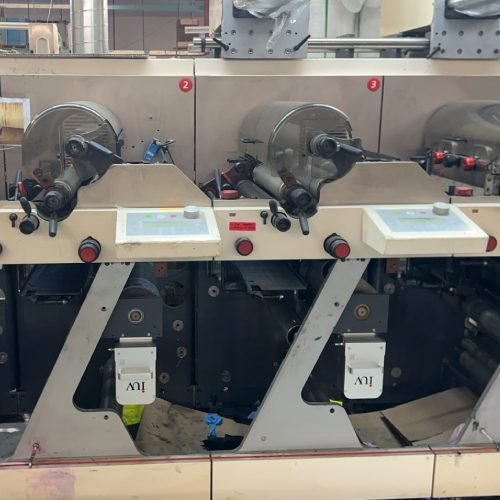
Narrow web applications, such as security prints or tactile overvarnishes, demand precise curing for multilayer jobs. LED systems allow selective curing of individual layers, preventing intermixing of inks and coatings. This precision supports intricate designs with embossed effects or scratch-resistant surfaces, all while operating at lower temperatures to protect thin polyester or PVC substrates.
Key Advantages of LED Over Conventional UV Systems
- Lower Heat Emission: Prevents substrate distortion, critical for thin films and synthetic papers.
- Extended Lamp Life: LEDs last up to 20,000 hours, reducing downtime and maintenance costs.
- Eco-Friendly Operation: No ozone generation or mercury disposal concerns.
- Instant Power Adjustment: Adapt curing intensity on-the-fly for different ink densities.
Optimizing Curing Parameters for Diverse Materials
Successful LED integration requires wavelength matching. Inks formulated for 395nm LEDs may underperform if the system emits at 365nm. Partner with ink suppliers to ensure spectral alignment. For textured substrates like linen-finish paper, consider reflector designs that direct UV energy into recessed areas, ensuring full curing without overexposing raised surfaces.
Future-Proofing Print Operations
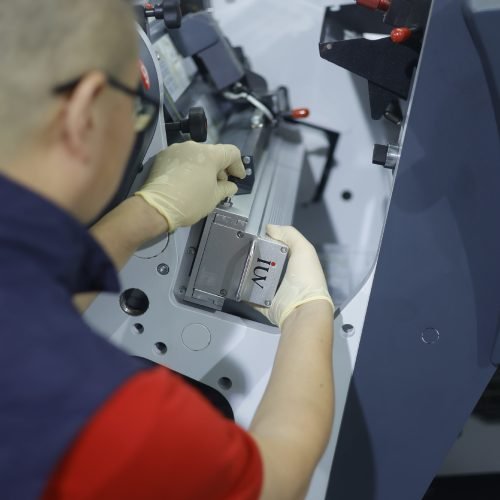
As brands prioritize sustainability, LED curing positions printers to adopt bio-based substrates and low-VOC inks. The technology’s compatibility with emerging materials—such as compostable films or conductive inks for smart packaging—ensures readiness for market shifts. Retrofit kits for existing presses offer a cost-effective transition path, blending legacy equipment with next-gen curing capabilities.
Final Considerations for Implementation
Evaluate LED system compatibility with current workflows. Assess factors like ink chemistry, substrate thickness, and required line speeds. Pilot testing on sample materials helps fine-tune intensity and conveyor settings. With proper setup, LED curing becomes a strategic asset, unlocking new product categories while elevating print quality and operational efficiency.