Enhancing Efficiency in Label Printing with LED UV Curing
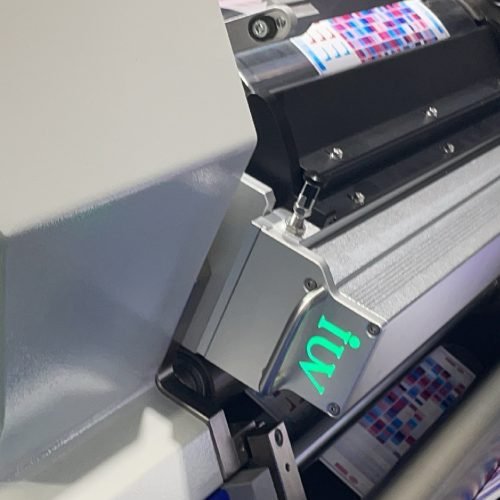
Label printing demands precision and speed, especially for industries like pharmaceuticals, cosmetics, and food packaging. Traditional curing methods often struggle with heat-sensitive materials, leading to warping or substrate damage. LED UV curing systems eliminate these challenges by delivering instant, controlled energy to inks and coatings. Unlike mercury lamps, LEDs emit minimal infrared radiation, reducing heat exposure by up to 70%. This allows printers to handle thin films, delicate adhesives, and temperature-sensitive substrates without compromising quality. Faster curing cycles also enable higher throughput, making LED systems ideal for short-run label jobs requiring rapid turnaround.
Revolutionizing Flexographic Printing Through Low-Heat Technology
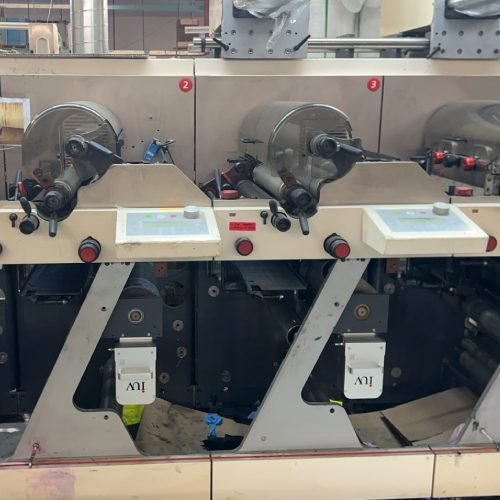
Flexo printing thrives on versatility, but conventional UV curing can degrade flexible plates and anilox rollers over time due to excessive heat. LED UV curing operates at near-ambient temperatures, preserving the integrity of photopolymer plates and extending their lifespan. The reduced thermal output also minimizes web tension fluctuations, critical for maintaining registration accuracy in multi-color jobs. With LED systems, printers achieve sharper dot reproduction and consistent ink film thickness, even on porous or uneven substrates. Energy consumption drops significantly since LEDs activate instantly, eliminating the need for warm-up periods or continuous operation during idle times.
Offset Lithography Meets Sustainable Curing Solutions
In sheetfed and web offset printing, LED UV curing is transforming how printers approach coated stocks and specialty finishes. Traditional drying methods often require extended wait times between printing and finishing stages. LED systems cure inks and varnishes immediately, allowing inline processes like embossing or die-cutting without intermediate drying racks. This reduces production bottlenecks and floor space requirements. Additionally, LED-curable offset inks contain fewer volatile organic compounds (VOCs), aligning with eco-friendly initiatives. Printers adopting this technology report fewer rejects due to smudging or offsetting, particularly when handling high-density inks or metallic effects.
Narrow Web Printing: Speed and Precision Redefined
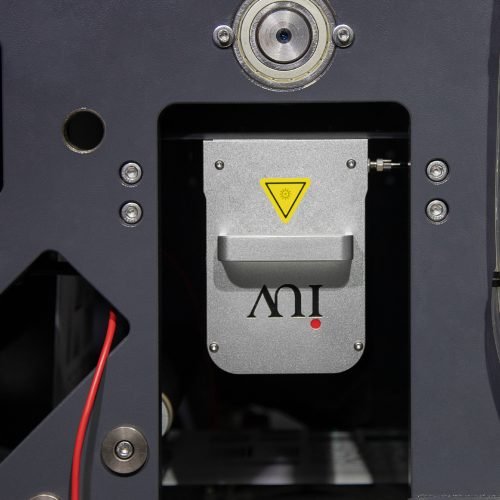
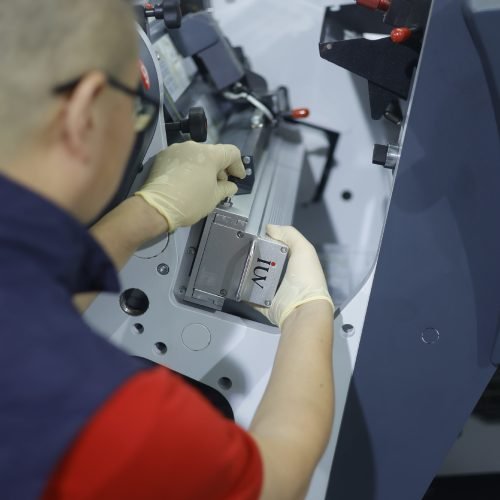
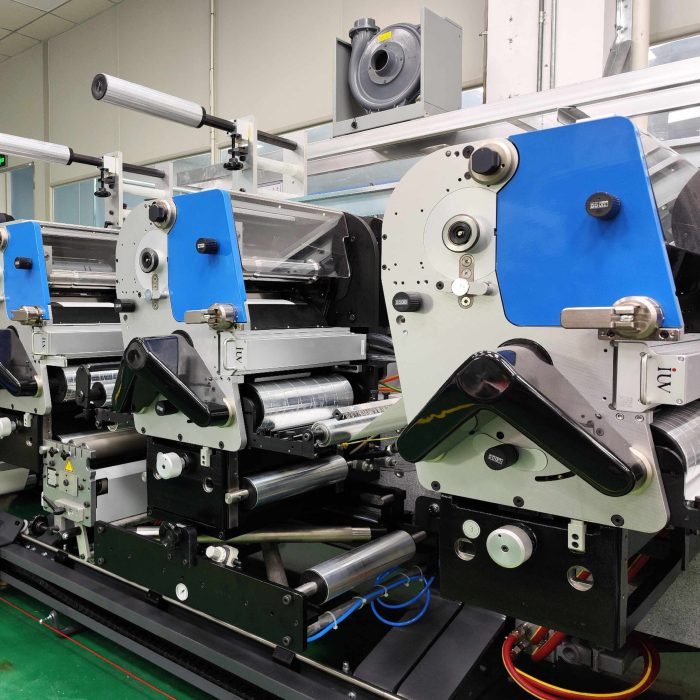
Narrow web converters face unique challenges, from intricate decorative designs to functional electronic prints. LED UV curing’s pinpoint control ensures reliable adhesion for conductive inks, scratch-resistant coatings, and tactile varnishes. The absence of ozone generation—a common issue with mercury lamps—simplifies ventilation needs in compact production areas. For applications like security printing or medical packaging, LED systems provide consistent curing depth, critical for achieving tamper-evident seals or biocompatible surfaces. By integrating LED units into existing presses, manufacturers upgrade their capabilities without retrofitting entire production lines.
The Science Behind UV Curing: From Mercury to LED
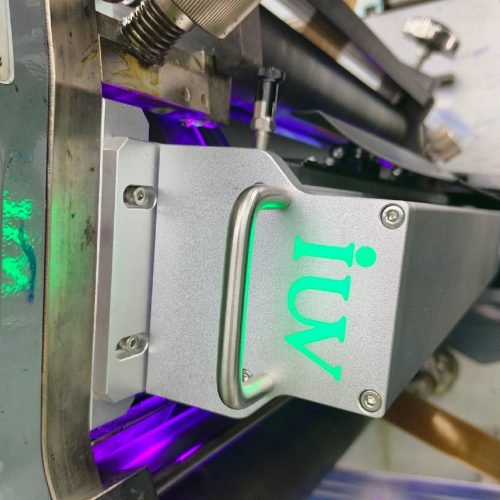
UV curing relies on photopolymerization, where photoinitiators in inks absorb specific wavelengths to trigger hardening. Mercury lamps emit a broad spectrum (200–450 nm), but only 10–15% of this energy contributes to curing. LEDs target precise wavelengths (365–405 nm), matching the absorption peaks of modern photoinitiators. This focused energy transfer achieves full cure with lower power consumption. Unlike mercury systems, LEDs maintain stable output over thousands of hours, avoiding the gradual intensity drop that degrades print quality. Advanced LED units now offer adjustable intensity and pulse modes, enabling customization for opaque whites, clear coatings, or hybrid ink systems.
Energy Savings and ROI: Calculating the Benefits
Switching to LED UV curing cuts energy costs by 50–80% compared to conventional systems. Mercury lamps lose 60% of their energy as heat, while LEDs convert over 90% of electricity into usable UV light. Reduced downtime for lamp replacements and lower HVAC demands further lower operational expenses. A typical LED unit lasts 20,000 hours, versus 1,000–2,000 hours for mercury bulbs. For a mid-sized printer, this translates to fewer maintenance interruptions and a payback period under 18 months. Sustainability certifications like ISO 14001 become more attainable as energy use and waste diminish.
Material Compatibility: Expanding Substrate Possibilities
LED UV curing unlocks opportunities to print on previously challenging materials. Polyethylene films, heat-sensitive synthetics, and even biodegradable substrates can now withstand high-speed production. Inks cure uniformly on non-porous surfaces like PET bottles or acrylic panels, eliminating the need for primers. Digital hybrid presses combining inkjet with LED curing further enable short runs of customized packaging or industrial decals. As regulatory pressures mount against solvent-based inks, LED-curable alternatives offer compliance without sacrificing performance.
Future Trends: Smart Integration and Industry 4.0
Emerging LED systems feature IoT-enabled sensors for real-time monitoring of curing parameters. Predictive algorithms adjust UV output based on substrate thickness or ink density, ensuring optimal results across variable job conditions. Integration with cloud-based workflows allows remote diagnostics and performance analytics, reducing reliance on onsite technicians. As UV-LED technology matures, expect narrower wavelength options for specialized inks and 3D printing applications. These advancements position LED curing as a cornerstone of next-generation printing ecosystems, bridging efficiency demands with environmental accountability.
Overcoming Adoption Barriers: Knowledge and Training
Despite clear advantages, some printers hesitate due to upfront costs or unfamiliarity with UV-LED chemistry. Collaborating with ink suppliers ensures compatibility, as formulations must align with LED wavelengths. Employee training programs demystify operation protocols, emphasizing settings like irradiance and exposure time. Case studies demonstrating ROI in similar print environments build confidence. Industry trade groups increasingly offer guidelines for safe LED implementation, addressing concerns about blue light exposure or electrical safety.
The shift toward LED UV curing reflects printing’s evolution—balancing productivity, quality, and ecological responsibility. As substrates diversify and customization grows, this technology empowers printers to meet modern demands while future-proofing their operations.