From Conventional UV to LED Curing Systems: A Printer’s Migration Guide
The printing industry is always evolving. New technologies emerge to improve efficiency and quality. For narrow web printers, UV curing is a vital process. It allows for fast drying and vibrant prints. Many printers have long relied on conventional UV lamps. But the landscape is shifting. LED UV curing systems are now a compelling alternative. This guide explores the migration from traditional UV to modern LED technology. It’s for label printers, flexographers, and offset specialists.
Understanding UV Curing
UV curing uses ultraviolet light. This light initiates a photochemical reaction. It instantly hardens inks, coatings, and adhesives. This process is fast and energy-efficient. It allows for immediate handling and further processing. Conventional UV systems typically use mercury lamps. These lamps emit UV light across a broad spectrum. They require significant warm-up time. They also generate considerable heat. This can be a challenge for heat-sensitive substrates.
The Rise of LED UV Curing
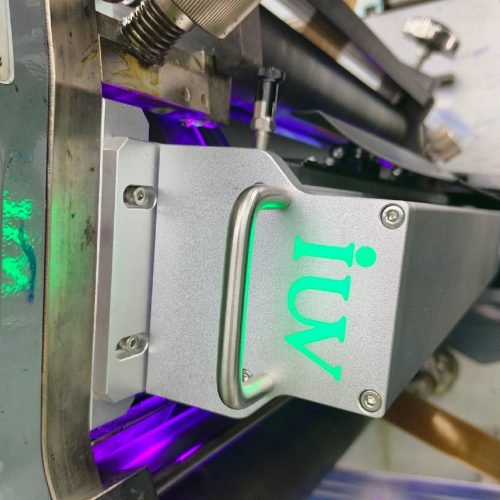
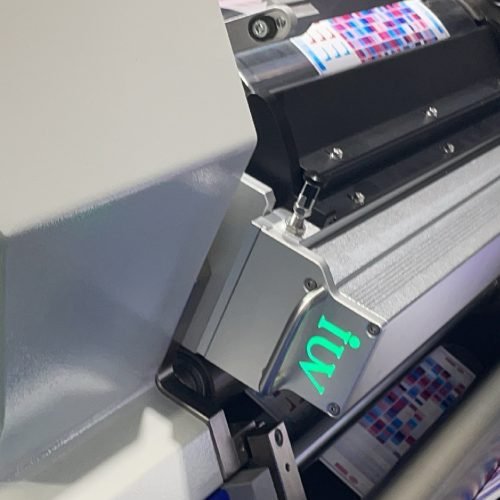
LED UV curing systems offer a different approach. They use Light Emitting Diodes (LEDs). LEDs emit UV light at specific wavelengths. This precise control is a major advantage. They are more energy-efficient than mercury lamps. They also produce less heat. This makes them ideal for a wider range of materials. The diodes have a much longer lifespan. This reduces maintenance and replacement costs.
Why Migrate to LED UV?
There are several compelling reasons to switch. Energy savings are significant. LED systems consume less power. This lowers operational costs. Improved print quality is another benefit. The precise wavelength control ensures better ink curing. This leads to sharper dots and richer colors. Reduced heat output is also crucial. It allows printing on delicate films and thin papers. This expands the range of applications.
Furthermore, LED systems are environmentally friendly. They don’t contain mercury. This simplifies disposal and handling. Their instant on/off capability means no warm-up time. This boosts productivity. It allows for faster job turnaround. Maintenance is also reduced. LED diodes don’t need frequent replacement. This minimizes downtime.
LED UV in Narrow Web Printing
Narrow web printing is a prime area for LED UV adoption. Label printing, in particular, benefits greatly. Flexographic presses are commonly used. They handle a wide variety of inks and substrates. Offset printing on narrow web presses also sees advantages. LED UV curing ensures excellent adhesion and durability. It’s perfect for food packaging labels. It’s also great for cosmetic and pharmaceutical labels.
The ability to cure on thin films is a game-changer. Many modern labels use PET or BOPP films. Conventional UV could struggle with these. LED UV handles them with ease. This opens up new design possibilities. It allows for more complex finishes. Think about matte varnishes or high-gloss coatings. LED UV ensures they cure properly and quickly.
Flexography and LED UV
For flexographic printers, LED UV offers enhanced performance. Flexo inks are formulated for UV curing. LED systems cure these inks effectively. The consistent output of LEDs ensures uniform curing across the web. This is critical for achieving consistent color and adhesion. It reduces the risk of incomplete curing. This can lead to smudging or poor rub resistance.
The precise control of LED wavelengths is also beneficial for spot colors. It ensures that specific pigments cure optimally. This maintains color integrity. For printers running high-speed presses, the instant curing is invaluable. It prevents ink from migrating or smearing as the web moves.
Offset Printing and LED UV
In narrow web offset printing, LED UV is equally impactful. Offset inks are robust. They respond well to UV curing. LED systems provide a clean and efficient drying solution. This is especially true for heat-set offset applications. Traditional methods might require extensive cooling. LED UV eliminates this need.
The reduced heat also benefits the printing plates. It can extend their lifespan. This is an added cost saving. Offset printers can achieve excellent print definition. They can also apply overprint varnishes with confidence. LED UV ensures these layers are fully cured. This protects the printed image. It enhances the overall durability of the label.
The Migration Process: Key Considerations
Migrating to LED UV requires careful planning. Not all LED systems are the same. Understand the specific wavelengths needed for your inks. Different ink formulations cure best at different UV spectrums. Ensure the LED system’s output matches your ink requirements. Consult with your ink supplier. They can provide valuable guidance.
Consider the power density of the LED unit. This relates to the intensity of the UV light. Higher power density can lead to faster curing. It can also be beneficial for achieving deep cures. However, it’s important to balance this with substrate limitations.
Installation and Integration
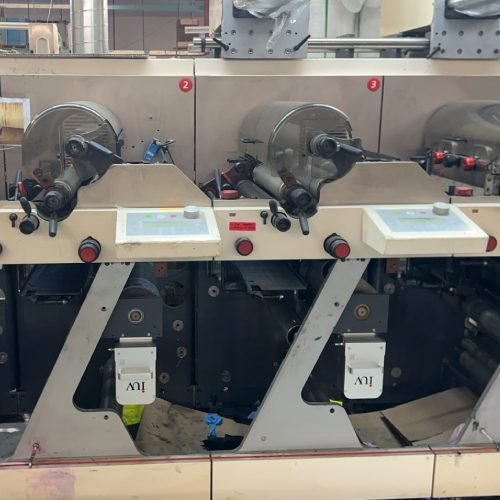
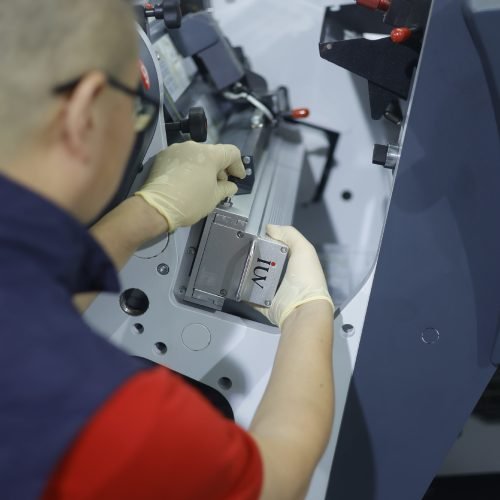
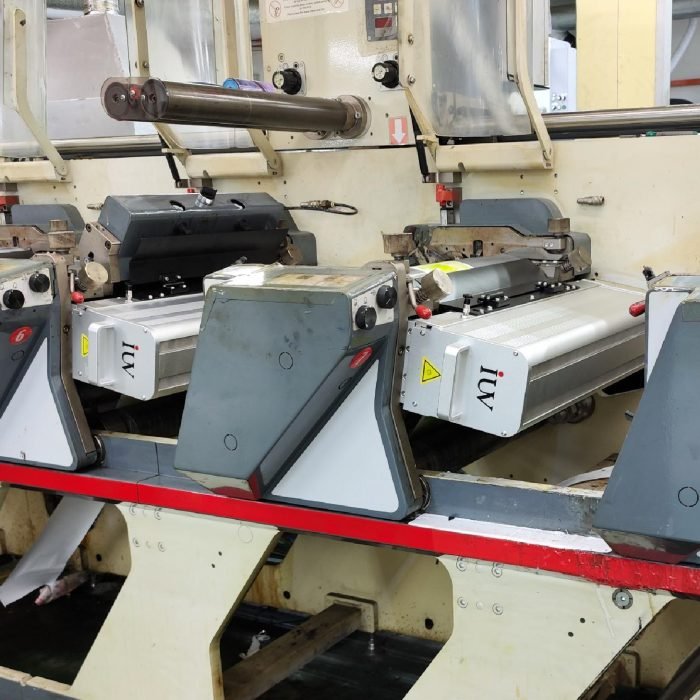
Integrating LED UV systems into existing presses is generally straightforward. Most systems are designed to fit into standard press configurations. However, factor in power requirements. LED units may need dedicated electrical circuits. Also, consider cooling solutions. While LEDs produce less heat, some systems may still require air or water cooling.
Choosing the Right System
When selecting an LED UV curing system, look for reputable manufacturers. Research their track record and customer support. Ask about warranty and service options. Consider the modularity of the system. Can it be easily upgraded or expanded later?
Don’t overlook the importance of testing. Run trials with your specific inks and substrates. This will confirm performance and compatibility. It will also help you fine-tune settings. This ensures optimal results.
The Future is Bright (and Cured!)
The shift from conventional UV to LED UV curing is more than a trend. It’s a technological evolution. For narrow web printers, label producers, and those using flexo or offset, the benefits are clear. Energy efficiency, improved quality, and greater substrate versatility are key. Making the migration to LED UV is an investment. It’s an investment in a more sustainable and productive future for your printing business. Embrace the change. Your bottom line and your customers will thank you.