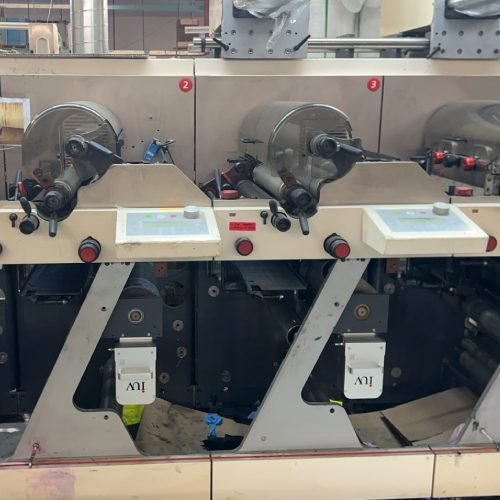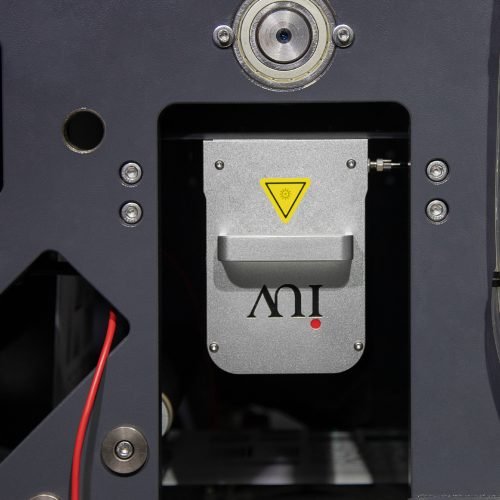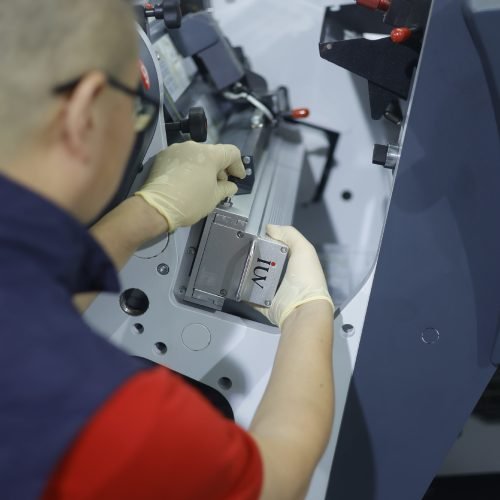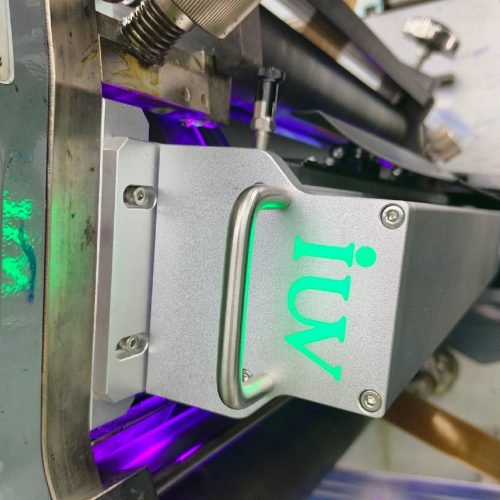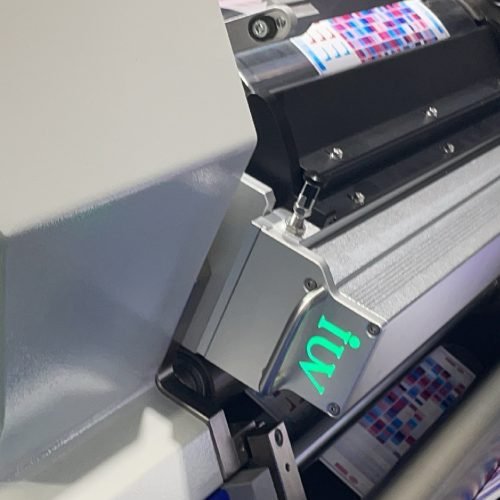
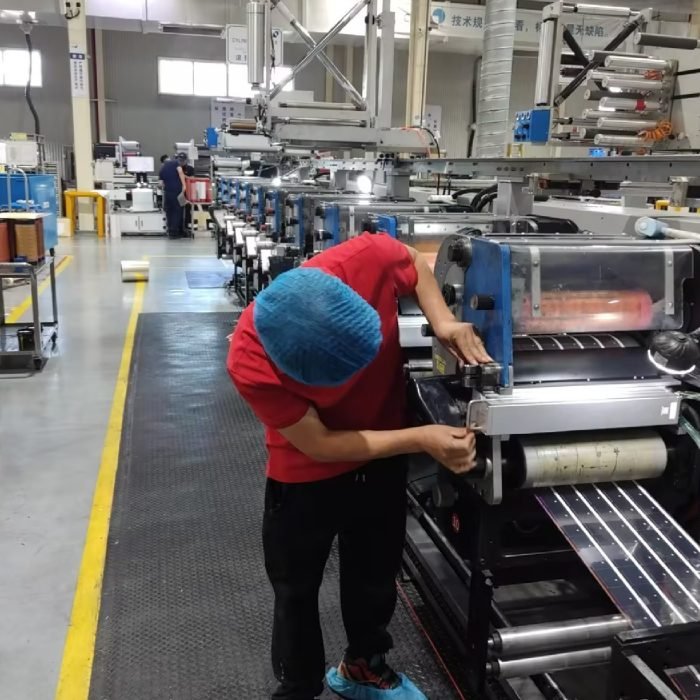
In the competitive world of printing, achieving flawless results demands precision at every stage. LED curing systems have emerged as game-changers across label, flexographic, offset, and narrow web printing applications. This technology redefines quality control while addressing longstanding industry challenges.
The Science Behind LED UV Curing
LED UV systems emit specific wavelengths (typically 365-405 nm) that activate photoinitiators in specially formulated inks and coatings. Unlike traditional mercury lamps, this targeted energy delivery enables instant curing without excessive heat generation. The precise wavelength matching ensures complete polymerization, creating durable prints resistant to scratching and chemical exposure.
Revolutionizing Label Printing Efficiency
Pressure-sensitive label production benefits dramatically from LED curing’s rapid processing capabilities. The technology eliminates ink spread during curing – a critical advantage for fine text and intricate graphics. Thermal-sensitive substrates maintain dimensional stability due to reduced heat exposure, enabling crisp barcodes and sharp color transitions. Printers report 40-60% faster production speeds compared to conventional curing methods.
Flexographic Printing’s Quality Leap
Flexo printers using LED systems achieve unprecedented ink film consistency across flexible packaging materials. The instant curing prevents dot gain variations, maintaining accurate color reproduction from first to last impression. Food packaging applications particularly benefit from UV-cured inks’ low migration properties, meeting stringent safety regulations without compromising production speed.
Offset Printing’s New Performance Benchmark
Sheetfed offset operations gain dual advantages with LED curing: superior surface adhesion and reduced energy costs. The technology enables printing on heat-sensitive stocks like thin films and synthetic papers previously challenging for conventional UV systems. Print shops observe 30% reduction in make-ready waste due to immediate curing verification and adjustment capabilities.
Narrow Web Printing’s Precision Advantage
In multi-process narrow web applications, LED systems enable perfect registration through instantaneous curing between print stations. The technology supports hybrid printing configurations combining conventional and UV inks without cross-contamination risks. Converters achieve complex decorative effects with embossing foils and specialty coatings cured at different energy levels.
Environmental Impact and Cost Benefits
LED curing systems consume 70-80% less energy than mercury-based alternatives while eliminating ozone generation. The mercury-free technology aligns with global environmental regulations, with lamps lasting up to 20,000 operational hours. Printers reduce ventilation system costs and qualify for sustainability certifications, enhancing market competitiveness.
Color Consistency Across Production Runs
Maintaining color accuracy becomes more reliable with LED systems’ stable output intensity. Unlike conventional UV lamps that degrade over time, LEDs provide consistent curing energy throughout their lifespan. This stability ensures identical color reproduction whether curing the first or thousandth impression, critical for brand packaging and regulatory labeling.
Expanding Material Compatibility
From metallicized films to textured plastics, LED curing enables printing on substrates previously considered challenging. The low-heat process prevents material warping or shrinkage, while advanced photoinitiator formulations ensure proper adhesion. Printers successfully handle diverse jobs without extensive equipment reconfiguration, increasing operational flexibility.
Implementing LED Curing Successfully
Transitioning to LED technology requires evaluating ink formulations, substrate characteristics, and production speed requirements. Leading ink manufacturers now offer optimized LED-curable products with enhanced color strength and flexibility. Successful adopters recommend phased implementation, starting with specific press units and gradually expanding across operations.
Future Developments in Curing Technology
Ongoing research focuses on expanding LED wavelength options and increasing power density for high-speed applications. Innovations in photoinitiator chemistry promise compatibility with broader material ranges while reducing energy consumption further. These advancements will likely make LED curing the standard across all printing sectors within the next decade.
The shift to LED curing represents more than equipment upgrades – it’s a strategic transformation in print manufacturing. Early adopters gain measurable advantages in quality control, production efficiency, and environmental compliance. As material science and LED technology continue evolving, printers who invest in this innovation today position themselves as market leaders for tomorrow’s challenges.