The Role of LED Curing in Modern Sustainable Printing
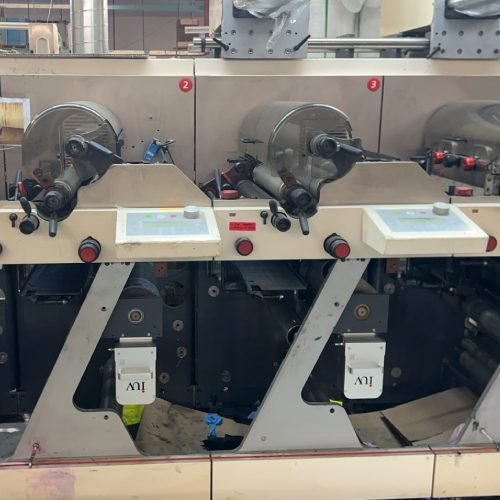
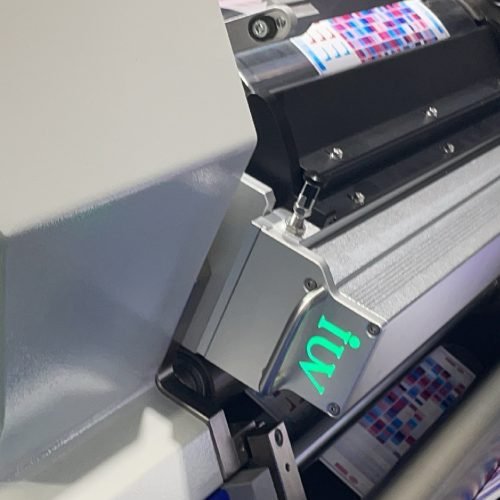
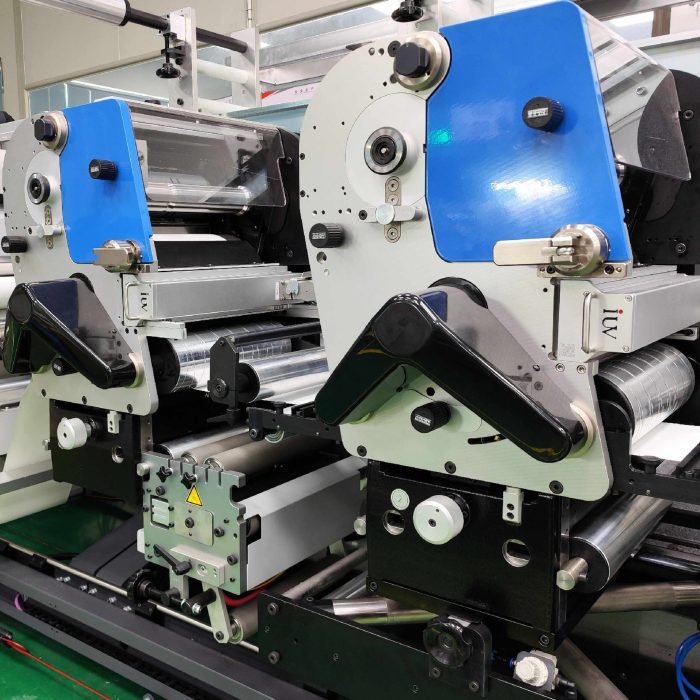
The printing industry faces increasing pressure to adopt eco-friendly practices without compromising efficiency. LED curing systems have emerged as a transformative technology, enabling printers to reduce energy consumption, minimize waste, and lower their environmental footprint. This innovation is particularly impactful in label, flexographic, offset, and narrow-web printing, where precision and speed are critical.
Energy Efficiency: A Core Advantage
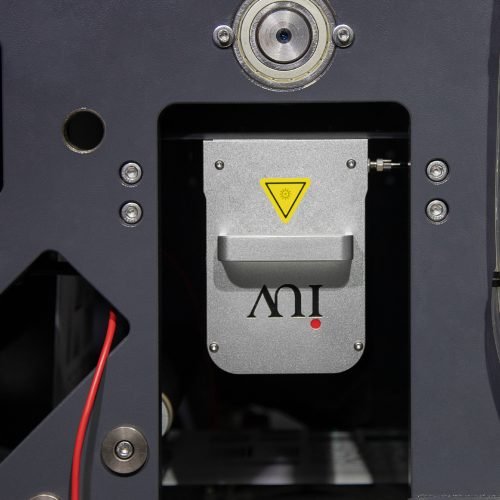
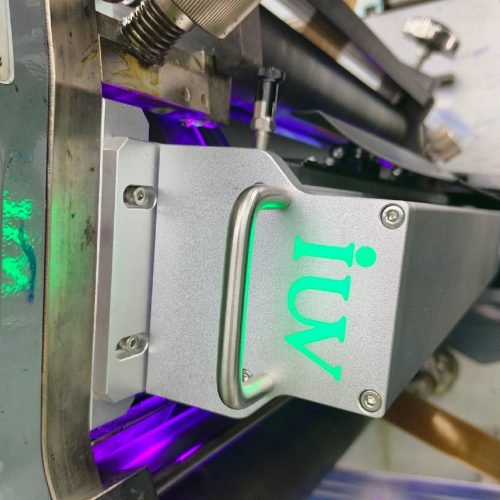
Traditional UV curing systems rely on mercury-vapor lamps, which consume significant energy and generate excess heat. LED curing systems, by contrast, operate at lower temperatures and use up to 70% less energy. This reduction directly lowers operational costs and decreases reliance on non-renewable energy sources. For high-volume sectors like label printing, where continuous operation is standard, the energy savings compound over time, making LED technology a financially and environmentally sound investment.
Reducing Volatile Organic Compounds (VOCs)
Conventional solvent-based inks release harmful VOCs during drying, contributing to air pollution and health risks. LED curing systems work with UV-curable inks that contain little to no solvents. When exposed to LED light, these inks polymerize instantly, eliminating evaporation. Flexographic printers, often used for packaging, benefit from this shift by creating safer workplaces and reducing regulatory compliance burdens. Additionally, VOC-free processes align with consumer demand for sustainable products.
Extended Equipment Lifespan and Reduced Waste
Mercury lamps degrade over time, requiring frequent replacements to maintain curing performance. LED systems boast lifespans exceeding 20,000 hours, minimizing downtime and material waste from lamp disposals. In offset printing, where consistent curing ensures sharp image quality, LEDs provide stable output without intensity fluctuations. This reliability reduces substrate spoilage caused by under- or over-curing, particularly when printing on delicate materials like thin films or specialty papers.
Compatibility with Diverse Substrates
Narrow-web printing often involves heat-sensitive materials such as shrink sleeves or pressure-sensitive labels. Traditional curing methods risk warping or damaging these substrates due to excessive heat. LED systems emit minimal infrared radiation, allowing printers to cure inks on temperature-sensitive films, biodegradable plastics, and even paper without compromising integrity. This versatility supports the use of eco-friendly substrates that might otherwise be incompatible with conventional drying methods.
Faster Production Speeds
Instant on/off functionality eliminates the warm-up time required for mercury lamps, enabling shorter print runs and just-in-time production. Label printers, for instance, can switch jobs rapidly without waiting for lamps to reach optimal temperatures. Faster curing also allows for higher press speeds, increasing throughput while maintaining quality. In industries like packaging, where deadlines are tight, this agility reduces energy waste associated with idle machinery.
Lower Carbon Footprint Across the Supply Chain
By slashing energy use and eliminating hazardous waste, LED curing contributes to a smaller carbon footprint at every stage. Printers using this technology can market their services as sustainably certified, appealing to brands prioritizing green supply chains. For example, a flexographic printer adopting LED systems might attract clients in the organic food sector, where eco-conscious packaging is a competitive differentiator.
Enabling Water-Based and Hybrid Inks
LED curing supports the use of water-based UV inks, which further reduce environmental impact. These inks combine the fast curing of UV technology with the low toxicity of water-based formulations. In offset printing, hybrid inks allow printers to transition toward sustainability without overhauling existing workflows. The ability to cure these inks at lower temperatures also expands design possibilities, such as printing on recycled cardboard or uncoated stock.
Reducing Hazardous Waste Disposal
Mercury lamps contain toxic materials that require specialized disposal procedures. Transitioning to LED systems eliminates this hazard, simplifying waste management and reducing liability. For narrow-web printers operating in regions with strict environmental regulations, this advantage streamlines compliance and lowers long-term operational risks.
Supporting Circular Economy Initiatives
LED curing aligns with circular economy principles by enabling the use of recyclable substrates. For instance, labels cured with LED UV systems can be cleanly removed from containers during recycling, preventing contamination. This compatibility is critical as brands increasingly adopt reusable packaging solutions. Additionally, the durability of LED-cured prints reduces the need for relabeling or reprints, conserving resources.
Future-Proofing Printing Operations
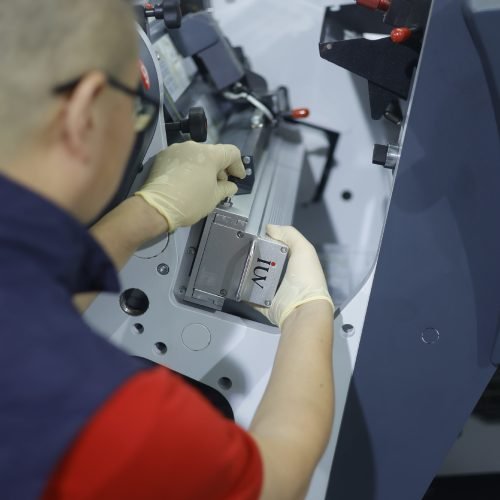
As governments impose stricter emissions standards, printers investing in LED technology position themselves ahead of regulatory curves. The scalability of LED systems allows gradual integration into existing presses, making adoption feasible for small and large operations alike. In sectors like label printing, where customization and short runs dominate, this adaptability ensures businesses remain competitive while meeting sustainability goals.
Conclusion
LED curing systems redefine sustainable printing by merging efficiency with environmental responsibility. From reducing energy consumption to enabling safer materials, this technology addresses critical challenges across label, flexographic, offset, and narrow-web printing. As the industry evolves, adopting LED UV curing is no longer optional—it’s a strategic imperative for printers committed to longevity and ecological stewardship.