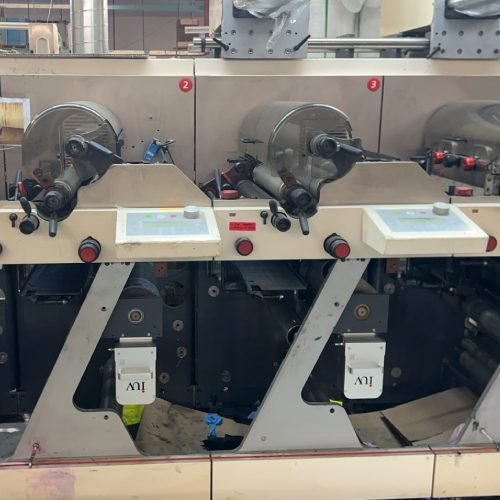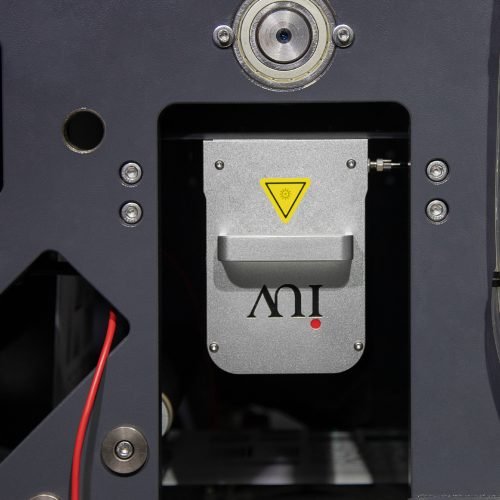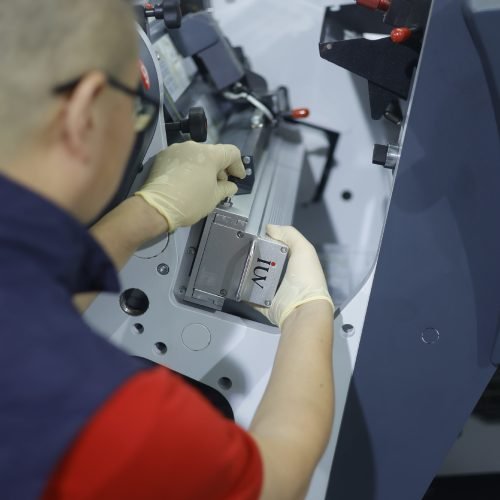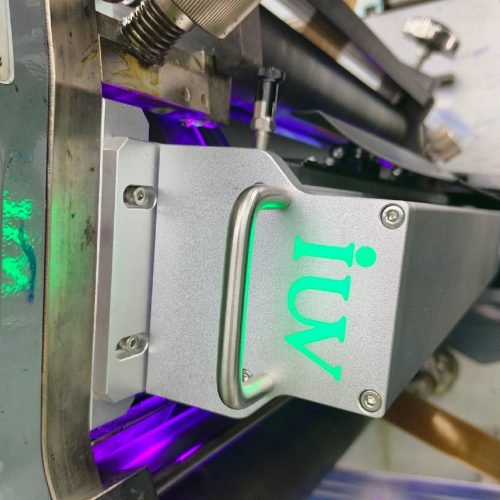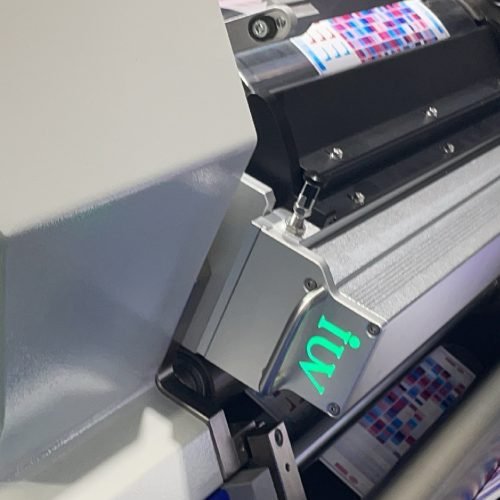
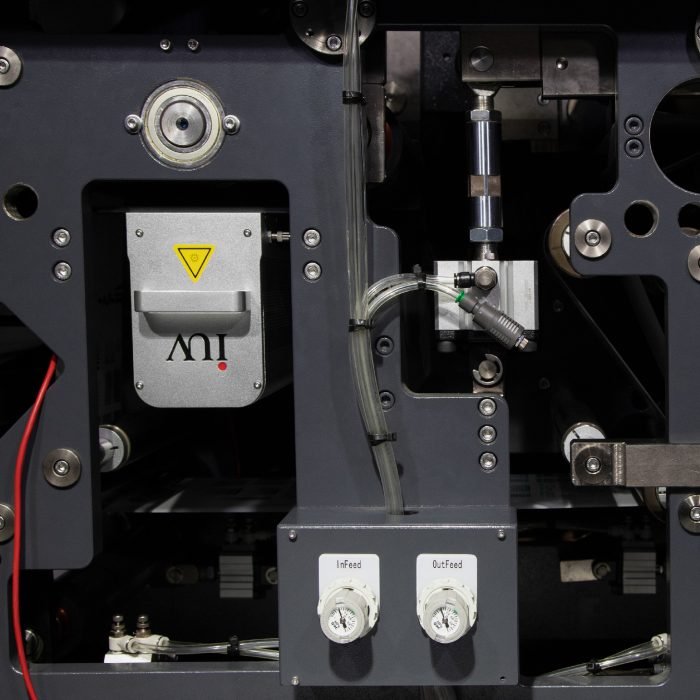
The transition to LED UV curing in continuous printing production offers a significant pathway to reducing energy expenses. This advanced technology directly impacts operational costs, making it a compelling consideration for any printing business aiming for greater efficiency and sustainability.
The Energy Demands of Traditional Curing Methods
Historically, printing operations have relied on various conventional curing methods, such as thermal (hot air) and mercury vapor UV lamps. These systems, while effective for their time, are inherently energy-intensive. Thermal drying requires substantial heat input, which translates to high electricity consumption for heating elements and fans. Mercury vapor lamps, though more direct in their energy application, also demand considerable power to operate and generate significant heat, often necessitating extensive ventilation systems that further contribute to energy loss. The lifespan of these lamps is also a factor, requiring frequent replacement, which adds to material and labor costs.
How LED UV Curing Revolutionizes Energy Efficiency
LED UV curing systems operate on a fundamentally different principle, leading to dramatic energy savings. Light Emitting Diodes (LEDs) are highly efficient light sources that emit UV light within a very narrow wavelength spectrum, precisely matched to the photoinitiators in UV-curable inks, coatings, and adhesives.
One of the primary drivers of energy reduction is the significantly lower power consumption of LEDs. Compared to traditional mercury vapor lamps, LED UV systems can use 70-80% less energy to achieve the same level of curing. This is partly because LEDs convert a much higher percentage of electrical energy directly into light, with minimal waste heat generated.
Furthermore, LEDs offer instant on/off capabilities. Unlike mercury lamps that require a warm-up period and continue to emit heat even when not actively curing, LEDs can be switched on and off instantaneously. This means energy is only consumed when printing is actually occurring, eliminating standby power losses and the need for continuous cooling systems that are often required with thermal or mercury UV systems.
Impact on Specific Printing Processes
The benefits of LED UV curing are particularly pronounced in continuous printing applications, including narrow web label printing, flexible packaging, and commercial offset printing.
Narrow Web Label Printing
In the narrow web label industry, where high-speed, long-run production is common, energy efficiency is a critical factor in profitability. Traditional UV curing on narrow web presses can consume a substantial amount of electricity. By switching to LED UV curing, label printers can see immediate reductions in their energy bills. The precise wavelength control of LEDs also allows for faster curing speeds with less heat buildup, which is beneficial for heat-sensitive substrates often used in label production. This reduced heat also lessens the burden on the press’s cooling systems, further contributing to energy savings.
Flexible Packaging Printing
The flexible packaging sector often utilizes large, high-speed presses that require robust curing solutions. Traditional UV systems, especially those with multiple lamps, represent a significant energy load. LED UV curing provides a more energy-efficient alternative. The ability to cure at high speeds without generating excessive heat is crucial for printing on thin film substrates, preventing distortion and maintaining material integrity. The reduced energy consumption directly translates to lower operating costs, a key competitive advantage in this market.
Flexographic Printing
Flexographic printing, widely used for labels, packaging, and commercial applications, can benefit immensely from LED UV technology. Flexo presses often operate at high speeds, and the curing process is a bottleneck. LED UV systems enable faster curing, allowing presses to run at their maximum potential without compromising ink adhesion or finish. The energy savings are substantial, and the reduced heat output simplifies press design and maintenance, as less complex ventilation and cooling infrastructure is required.
Offset Printing
In offset printing, especially in sheet-fed and web offset applications for commercial and publication printing, energy consumption for curing can be substantial. UV-cured inks and coatings offer excellent print quality and durability. Replacing traditional UV lamps with LED UV systems can lead to considerable energy cost reductions. The precise control over UV output also contributes to more consistent curing results, reducing waste and rework, which indirectly saves energy.
Beyond Energy Savings: Additional Advantages
While energy cost reduction is a primary motivator, LED UV curing offers a suite of complementary benefits that further enhance its appeal:
- Extended Lamp Lifespan: LEDs have a much longer operational lifespan than mercury vapor lamps, often exceeding 20,000 hours. This dramatically reduces the frequency of lamp replacements, saving on material, labor, and downtime costs.
- Instant On/Off and Instant Full Power: Unlike mercury lamps that require a warm-up period and degrade over time, LEDs reach full power instantly and maintain their output consistently throughout their lifespan. This allows for more precise control over the curing process and reduces energy waste.
- Lower Heat Output: LEDs emit significantly less infrared radiation (heat) compared to mercury lamps. This is crucial for printing on heat-sensitive substrates like thin films, plastics, and certain papers, preventing distortion, shrinkage, or color changes. It also reduces the need for extensive cooling systems, saving further energy.
- Compact Footprint: LED UV systems are generally more compact than traditional UV systems, allowing for easier integration into existing printing presses or new press designs, especially in space-constrained environments.
- Environmentally Friendly: The reduced energy consumption contributes to a smaller carbon footprint. Additionally, mercury lamps contain hazardous materials that require special disposal, a concern eliminated with LED technology.
- Improved Curing Performance: The narrow, specific wavelengths emitted by LEDs are highly efficient at initiating the polymerization of UV-curable inks and coatings. This can lead to faster, more thorough curing, improved adhesion, and enhanced scratch and chemical resistance.
Calculating the ROI of LED UV Curing
The decision to invest in LED UV curing technology hinges on a clear understanding of the return on investment (ROI). Several factors contribute to a rapid ROI:
- Direct Energy Cost Savings: This is the most immediate and quantifiable benefit. By comparing the electricity consumption of the old curing system with the new LED system, businesses can project monthly and annual savings. For example, a press that previously consumed 15 kW for curing with mercury lamps, and now uses only 3 kW with LEDs, will see substantial savings, especially if running multiple shifts.
- Reduced Maintenance and Replacement Costs: The longer lifespan of LED lamps means fewer purchases and less labor for replacements, contributing to savings over time.
- Increased Productivity: Faster curing speeds enabled by LED UV can lead to higher press speeds, allowing for more output in the same amount of time. This increased throughput can significantly boost revenue.
- Reduced Waste and Rework: More consistent and effective curing can lead to fewer misprints and a reduction in the need for costly rework, saving both materials and labor.
- Substrate Flexibility: The ability to print on a wider range of heat-sensitive substrates can open up new market opportunities and revenue streams.
To calculate the ROI, businesses should gather data on current energy costs per kilowatt-hour, the operational hours of their presses, the wattage of their existing curing systems, and the projected wattage of the new LED UV system. Subtracting the projected operational cost of the LED system from the current operational cost will reveal the annual energy savings. This saving, divided by the initial investment cost of the LED UV system, provides a rough estimate of the payback period.
Considerations for Implementation
While the advantages are compelling, a smooth transition to LED UV curing requires careful planning:
- Ink and Coating Compatibility: Ensure that existing or new inks, coatings, and adhesives are compatible with the specific wavelengths and energy output of the chosen LED UV system. Many manufacturers offer formulations optimized for LED curing.
- Press Integration: Work with equipment manufacturers to ensure proper integration of the LED UV system into the printing press, considering factors like cooling requirements, power supply, and physical space.
- Training: Provide adequate training for press operators and maintenance personnel on the operation and upkeep of the new LED UV technology.
- Wavelength Selection: Different applications may benefit from different LED wavelengths. Consult with suppliers to determine the optimal wavelength for your specific inks and substrates.
In conclusion, the adoption of LED UV curing technology in continuous printing production represents a significant leap forward in operational efficiency and cost management. Its ability to dramatically reduce energy consumption, coupled with its extended lifespan, lower heat output, and improved curing performance, makes it a strategic investment for any printing business looking to enhance its competitiveness and sustainability in today’s demanding market.