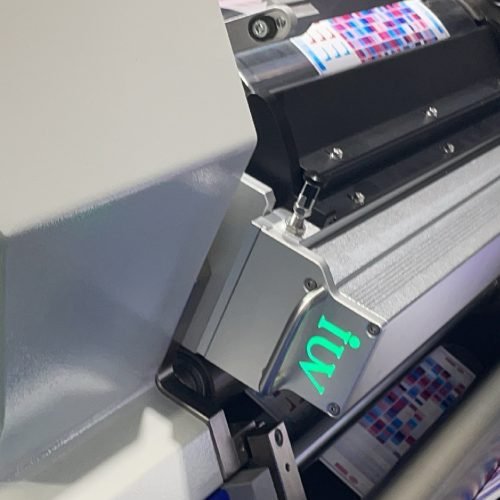
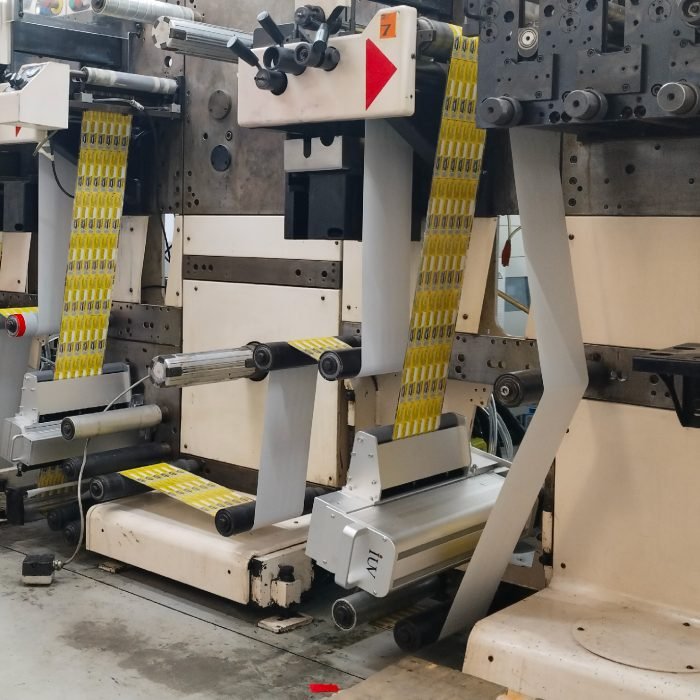
LED UV Curing Systems have become an essential technology in the printing industry, significantly contributing to more sustainable printing practices. As the world seeks greener solutions in various industries, printing is no exception. Traditional printing processes often involve high energy consumption, long drying times, and the use of harmful chemicals. LED UV curing offers a way to overcome these challenges, providing a more efficient, eco-friendly alternative. This article will explore how LED UV curing systems contribute to sustainable printing practices, with a focus on flexographic printing, offset printing, narrow-web printing, and UV curing technologies.
What is LED UV Curing?
LED UV curing is a process used to instantly cure or dry inks, coatings, and adhesives by exposing them to ultraviolet (UV) light emitted by LED lamps. This method is vastly different from traditional drying processes, where inks rely on air drying or solvent evaporation, both of which are slower and less energy-efficient.
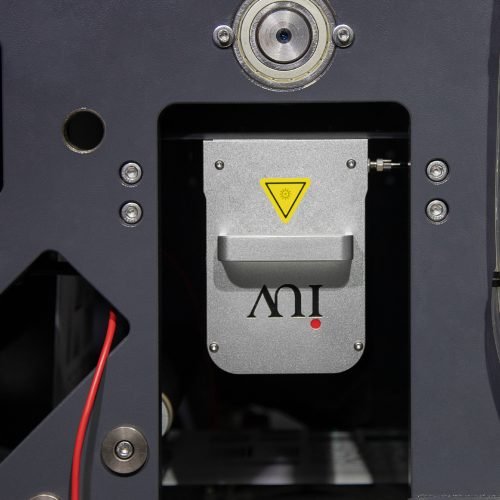
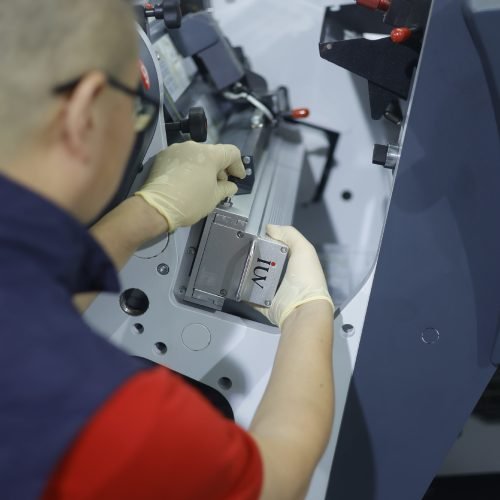
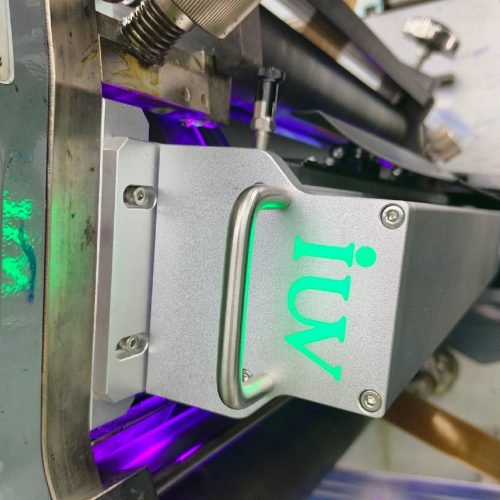
LED UV curing systems use energy-efficient LED lights that emit UV rays in specific wavelengths, which then trigger a photochemical reaction in the ink, causing it to dry almost immediately. This rapid drying capability is a key factor in making the technology both faster and more sustainable.
Benefits of LED UV Curing in Sustainable Printing
1. Energy Efficiency
One of the most significant advantages of LED UV curing systems is their energy efficiency. Traditional UV curing systems use mercury vapor lamps that require substantial energy to operate, often wasting power through heat emission. LED systems, on the other hand, produce much less heat and consume significantly less energy. This reduction in energy consumption directly leads to lower operational costs and a smaller environmental footprint.
Furthermore, LED lamps have a much longer lifespan than traditional mercury lamps. While mercury lamps might need to be replaced every 1,000-2,000 hours, LED lamps can last for up to 20,000 hours or more, reducing the need for frequent replacements and minimizing waste.
2. Faster Drying Times
LED UV curing systems cure inks almost instantly, which means faster production times. In traditional printing processes, ink drying can take a considerable amount of time, often requiring several minutes to hours, depending on the type of ink and substrate used. With LED UV curing, prints are fully dry as soon as they exit the printer, allowing for quicker turnaround times. This speed reduces the need for large, energy-intensive drying systems and decreases the overall carbon footprint of the process.
In flexographic printing, where high-volume, high-speed production is common, LED UV curing systems can significantly boost productivity while maintaining sustainability. The ability to print and dry immediately also means fewer storage requirements for unfinished prints and a more streamlined workflow, ultimately saving space and resources.
3. Reduction in Hazardous Emissions
In traditional printing systems, solvents are often used in inks and coatings to aid in drying. These solvents release volatile organic compounds (VOCs) into the air, contributing to air pollution and creating health risks for workers. LED UV curing systems, however, do not require solvents, which means no VOCs are emitted into the environment. This reduction in harmful emissions is crucial for both environmental and worker safety.
With flexographic printing, which often uses solvent-based inks, the transition to LED UV curing systems significantly reduces the amount of VOCs released during the printing process. This shift aligns with stricter environmental regulations and supports sustainable business practices.
4. Better Ink Performance and Durability
LED UV curing not only makes the printing process faster and more energy-efficient but also improves the overall quality of the prints. The instant curing process ensures that inks and coatings bond tightly to the substrate, creating durable prints that are resistant to scratches, smudging, and fading. This enhanced durability extends the lifespan of printed products, which can lead to less waste and fewer reprints, further contributing to sustainability.
In narrow-web printing, which is commonly used for labels and packaging, LED UV curing offers exceptional quality and durability. Labels printed with LED UV-curable inks are more resilient, maintaining their appearance over time even in challenging conditions such as exposure to sunlight or moisture. The longevity of these prints reduces the need for replacements, minimizing material waste and environmental impact.
LED UV Curing in Different Printing Processes
1. Flexographic Printing
Flexographic printing is widely used in the packaging industry, particularly for printing on flexible materials like plastic films, foils, and corrugated board. Traditional flexographic printing systems often rely on solvent-based inks, which can emit significant levels of VOCs. By replacing traditional drying methods with LED UV curing, flexographic printers can greatly reduce the environmental impact of their operations.
LED UV curing allows for faster drying, lower energy consumption, and the elimination of solvents, all of which contribute to a more sustainable process. This shift is particularly valuable for high-volume packaging runs, where speed and sustainability are essential.
2. Offset Printing
Offset printing is one of the most widely used methods for high-quality commercial printing, such as books, magazines, and brochures. While traditional offset printing methods also rely on solvent-based inks and lengthy drying times, LED UV curing offers a cleaner, faster, and more sustainable alternative.
By using LED UV curing, offset printers can reduce energy consumption, eliminate the need for volatile chemicals, and produce prints with superior durability. The immediate curing of the ink also means that printed materials can be processed more quickly, leading to faster delivery times and reduced inventory costs.
3. Narrow-Web Printing
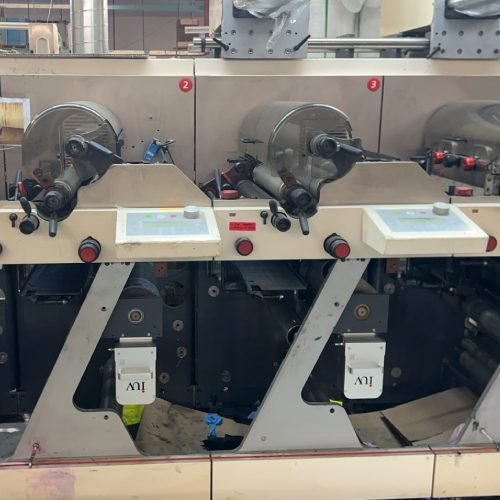
Narrow-web printing is commonly used for label printing, which requires high precision and often involves complex designs and variable data. In this process, LED UV curing is particularly beneficial because of its ability to cure inks instantly, enabling the production of high-quality, durable labels without the use of solvents or long drying times.
The sustainability of narrow-web printing is significantly enhanced with LED UV curing. By reducing energy usage and eliminating harmful chemicals, this technology not only supports green initiatives but also helps businesses meet growing consumer demand for eco-friendly packaging solutions.
Conclusion: A Greener Future for Printing
LED UV curing systems play a crucial role in making the printing industry more sustainable. By reducing energy consumption, shortening drying times, and eliminating harmful chemicals, these systems offer significant environmental and economic benefits. Whether in flexographic, offset, or narrow-web printing, the adoption of LED UV curing is a key step toward a greener, more sustainable future for the printing industry.
As the demand for environmentally friendly printing practices continues to grow, LED UV curing technology will undoubtedly be at the forefront of driving change. Businesses that adopt this technology not only stand to gain operational efficiencies but also help contribute to a more sustainable world, aligning with both regulatory demands and consumer expectations for greener products.