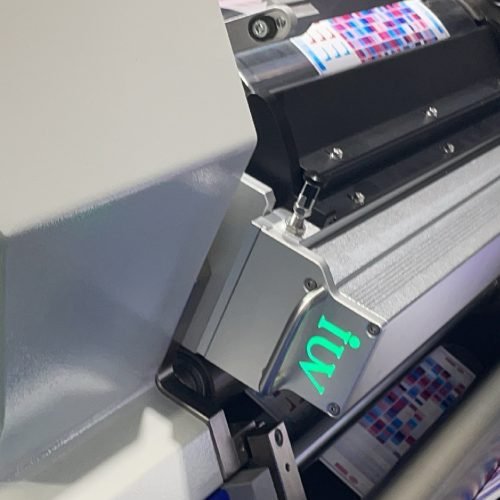
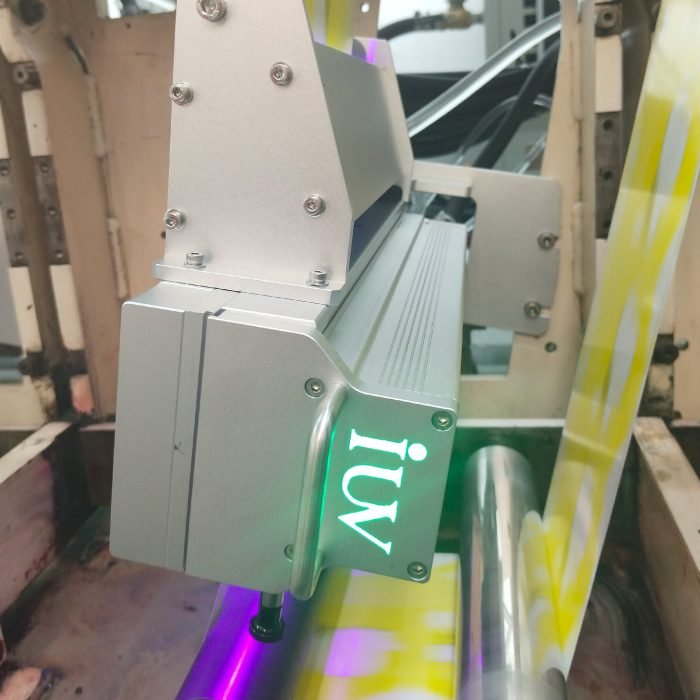
In the fast-paced world of high-volume printing, speed, efficiency, and cost-effectiveness are crucial factors for success. One technology that has revolutionized the industry in recent years is LED UV curing systems. These systems are transforming the way print shops manage job changes and drastically reducing downtime during production. This article explores how LED UV curing technology is enabling faster changeovers in high-volume printing environments, with a focus on flexographic, offset, and narrow-web printing.
The Shift to LED UV Curing
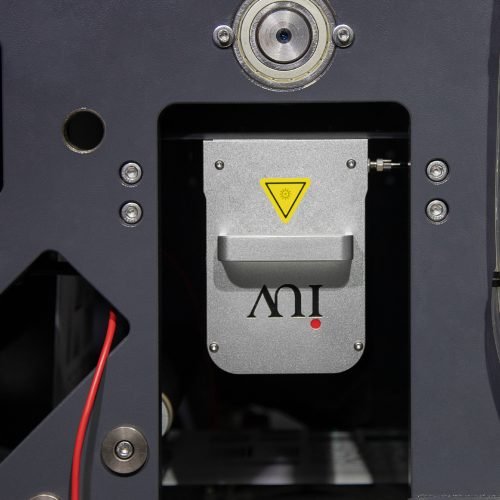
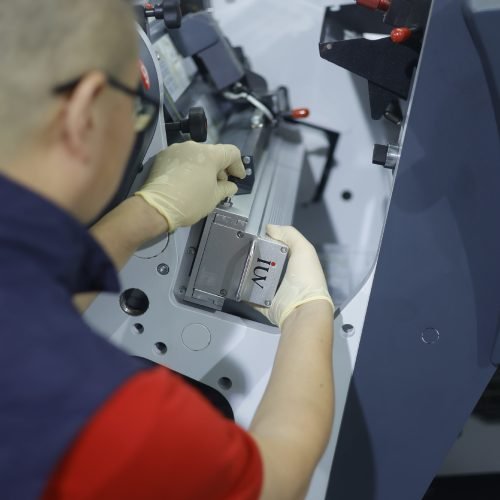
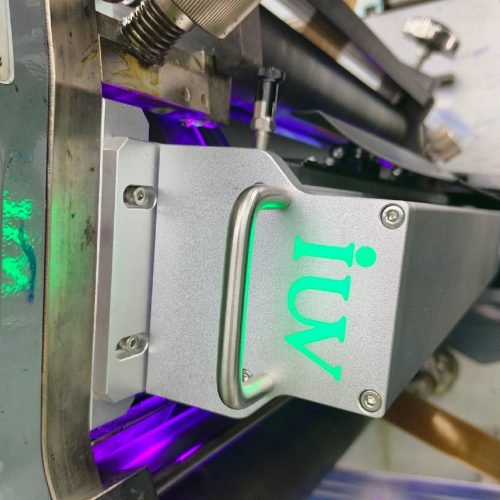
Traditionally, printing presses rely on mercury vapor lamps for curing UV inks. However, LED UV curing has emerged as a superior alternative due to its numerous advantages, particularly in high-volume print operations. LED UV curing uses light-emitting diodes (LEDs) to cure the ink on printed materials, offering better energy efficiency, lower maintenance costs, and faster cure times. These benefits are especially significant in fast-paced printing environments where job turnover is frequent.
Flexographic Printing and LED UV Curing
Flexographic printing, commonly used for packaging, labels, and other products, has been one of the first to adopt LED UV curing technology. In flexographic presses, the speed at which ink cures is essential for achieving high-quality prints at fast speeds. LED UV curing systems provide instant curing, allowing printers to immediately move on to the next step of the production process without waiting for ink to dry naturally.
With LED UV curing, flexographic printers can achieve faster print speeds without sacrificing quality. The reduced curing time also means shorter job cycles and faster changeovers, as press operators can switch between different jobs quickly without waiting for ink to dry. This ability to cure inks instantly leads to fewer delays between print runs, improving overall productivity.
Offset Printing and LED UV Curing
Offset printing is another popular method for high-volume commercial printing, particularly for newspapers, books, and brochures. Like flexographic printing, offset printing can greatly benefit from LED UV curing systems. In offset presses, LED UV curing enables faster drying of the ink, which directly translates to faster job changes.
Offset printing often requires multiple passes through the press, and each pass must be fully cured to prevent smudging or offsetting. With conventional drying methods, such as heat or air drying, this can take considerable time. LED UV curing, on the other hand, cures the ink almost immediately, allowing operators to quickly move to the next phase of the printing process.
The faster curing times reduce the need for long waiting periods between print runs, making it easier to switch between jobs. This is particularly important in high-volume offset printing operations where maintaining efficiency is crucial to meeting deadlines and client expectations.
Narrow-Web Printing and LED UV Curing
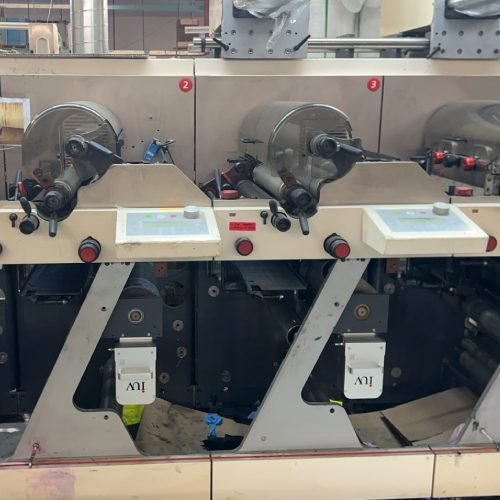
Narrow-web printing, commonly used for label printing and other specialized applications, also benefits from the use of LED UV curing systems. Narrow-web presses are designed for smaller print runs and require quick changeovers to accommodate different orders. LED UV curing plays a pivotal role in reducing downtime during these transitions.
In narrow-web printing, the ability to cure ink quickly enables printers to manage job changes with minimal interruption. LED UV systems allow for immediate drying of ink, which is especially important for jobs that require multiple colors or detailed graphics. As a result, narrow-web printers can handle more jobs in less time, boosting overall productivity.
Moreover, LED UV curing systems offer precise control over the curing process, ensuring consistent quality across all print jobs. This control is vital in narrow-web printing, where color consistency and fine detail are paramount.
The Role of LED UV in Faster Changeovers
One of the primary reasons LED UV curing systems enable faster changeovers is the reduced curing time compared to traditional methods. This allows print shops to move more quickly between jobs, whether in flexographic, offset, or narrow-web printing. But faster curing is not the only factor driving improved changeover speeds.
Reduced Cooling and Setup Time
In traditional UV curing systems, the ink needs time to cool down and set before moving on to the next phase. With LED UV curing, the ink is instantly cured upon exposure to the LED light. This eliminates the need for lengthy cooling times, allowing the press to move to the next job without unnecessary delays. This reduction in setup time enables print shops to increase throughput, handling more jobs per shift or day.
Energy Efficiency and Reduced Maintenance
Another advantage of LED UV curing systems is their energy efficiency. Compared to traditional mercury vapor lamps, LED UV lights consume significantly less power. This translates into lower operational costs, particularly in high-volume environments where equipment runs for long periods. The reduction in energy consumption also helps to improve the overall sustainability of the printing process.
In addition to being energy-efficient, LED UV lamps have a longer lifespan than their traditional counterparts, which reduces the need for frequent replacements. The lower maintenance requirements also reduce downtime, contributing to faster and more efficient changeovers. Press operators spend less time on maintenance and more time printing, which directly impacts productivity.
How LED UV Technology Enhances Print Quality
Beyond enabling faster changeovers, LED UV curing systems also contribute to superior print quality. The instant curing of the ink ensures that the colors remain sharp and vibrant without risk of smudging. This is particularly important for high-quality flexographic and offset prints, where color accuracy and clarity are critical.
Additionally, LED UV curing systems allow for the use of a wider range of inks, including those with unique properties such as metallic finishes, coatings, and specialty effects. The instant curing process ensures that these inks maintain their integrity and consistency across different print jobs, which is crucial for high-end applications like packaging and labeling.
The Future of LED UV Curing in High-Volume Printing
As LED UV curing systems continue to evolve, their role in high-volume printing will only grow. Advances in LED technology are expected to further improve curing speeds and expand the range of printable materials. Additionally, as the cost of LED UV systems decreases, more print shops will have access to this technology, further driving its adoption across the industry.
One of the most exciting developments on the horizon is the integration of LED UV curing with digital printing presses. Digital printing is becoming increasingly popular for short-run jobs, and combining it with LED UV curing systems will make it possible to achieve even faster turnarounds and higher quality prints.
Conclusion
LED UV curing systems are playing a pivotal role in revolutionizing high-volume printing operations. By enabling faster curing times, reducing downtime, and offering better energy efficiency, these systems make it possible for print shops to achieve quicker changeovers and greater productivity. Whether in flexographic, offset, or narrow-web printing, LED UV curing is improving workflow efficiency and helping printers meet the ever-increasing demands of the market. As the technology continues to advance, its impact on the printing industry will only become more significant, offering new opportunities for faster, more efficient, and higher-quality printing.