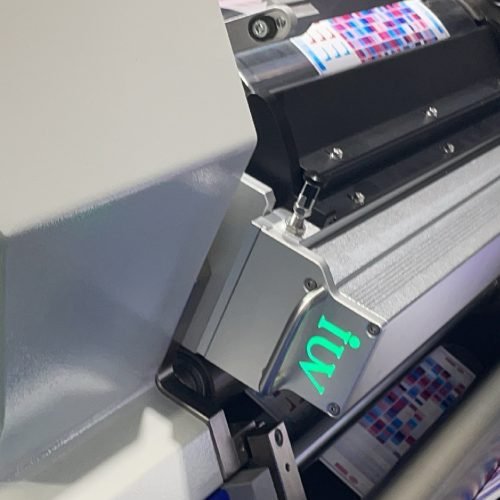
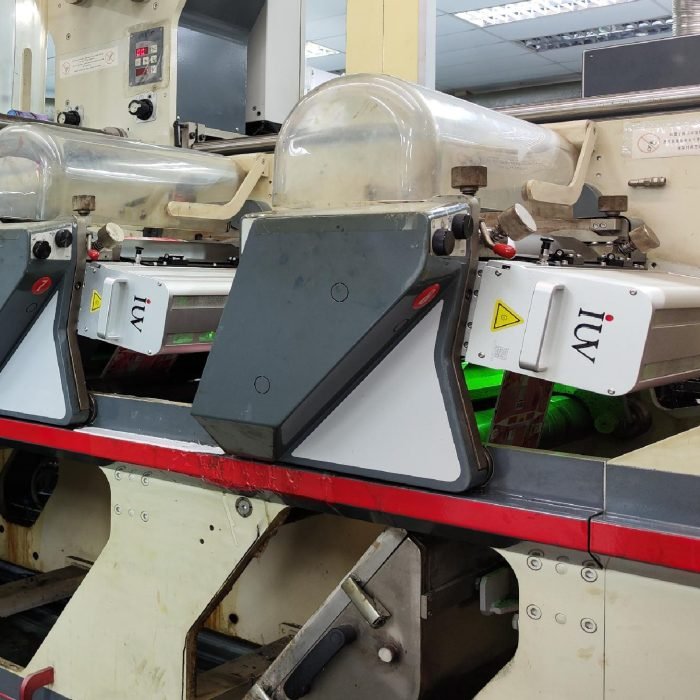
Traditional printing processes, while effective, often place significant stress on equipment. Think about the heat generated by conventional mercury vapor lamps used for UV curing. This heat doesn’t just affect the ink; it permeates the entire printing press. Rollers, blankets, and even sensitive electronic components can be subjected to thermal cycles that, over time, lead to material degradation. Rubber rollers can harden and crack, ink transfer can become less consistent due to temperature fluctuations, and the lifespan of delicate sensors and control boards can be prematurely shortened.
Furthermore, the intense heat can cause materials near the curing station to expand and contract. This constant dimensional change can lead to mechanical fatigue in various parts of the press. For label printers, especially those running narrow-web presses at high speeds, even small thermal variations can impact registration accuracy and overall print quality, necessitating more frequent adjustments and component replacements. The pursuit of faster speeds and higher throughput inherently increases the wear and tear on these intricate machines.
Enter LED UV Curing: A Cooler, Gentler Approach
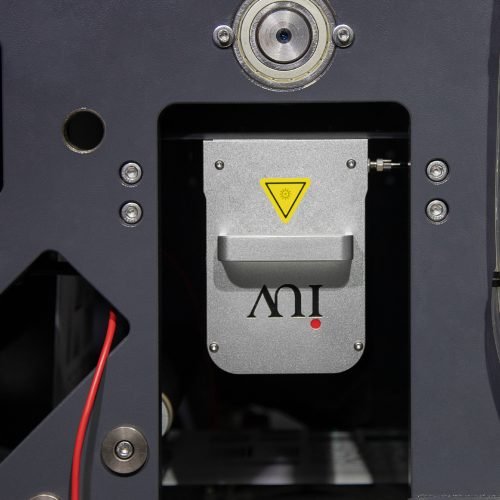
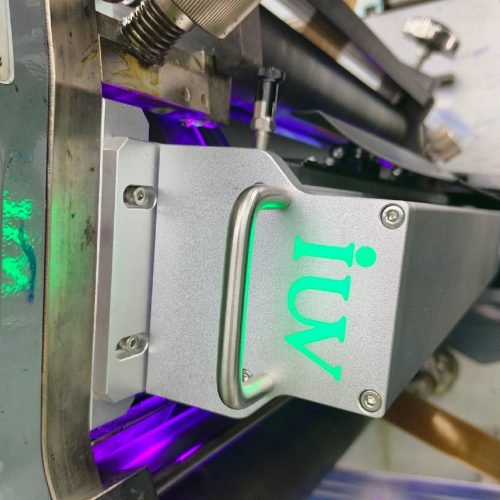
Light Emitting Diode (LED) UV curing systems represent a paradigm shift. Unlike mercury lamps that emit a broad spectrum of light, including significant infrared radiation (heat), LEDs produce UV light at specific wavelengths. This is a game-changer. The energy emitted is highly targeted for the photoinitiators in UV inks, coatings, and adhesives, meaning far less wasted energy in the form of heat.
This drastically reduced heat output is the primary reason LED UV systems extend the life of printing equipment. Imagine a printer running without the constant thermal bombardment. Rollers maintain their flexibility and resilience for longer. Blankets retain their optimal durometer and surface integrity. Sensitive electronic controls operate within a much more stable temperature environment, reducing the risk of premature failure. This stability translates directly into fewer breakdowns, less unscheduled downtime, and a lower total cost of ownership for the printing press.
Benefits Across Printing Technologies
The advantages of LED UV curing aren’t confined to a single printing method. They offer tangible benefits for a variety of applications:
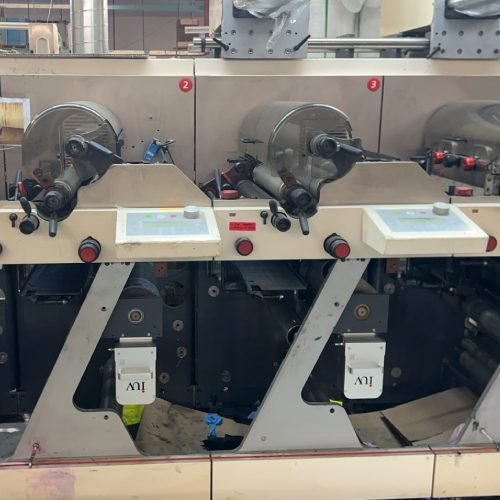
- Label and Narrow-Web Printing: In this high-volume, high-speed sector, precise control is paramount. The minimal heat from LED UV prevents substrate distortion and maintains excellent color registration. This means fewer press stops for temperature-related adjustments and a reduction in the thermal stress on impression cylinders and web guides. The consistent curing across the entire web width also ensures uniform ink adhesion, preventing delamination issues that can arise from uneven thermal exposure.
- Flexographic Printing: Flexo presses, often used for packaging and labels, benefit immensely from LED UV. The consistent, low heat output preserves the integrity of the photopolymer printing plates and the anilox rolls. Traditional UV can sometimes cause plates to become brittle or lose their fine detail over time due to heat. LED UV’s cooler cure helps maintain the crispness and longevity of these critical image carriers, leading to more consistent print runs and less frequent plate replacement. The reduced heat also aids in managing the viscosity of water-based or solvent-based inks, which can be sensitive to temperature changes.
- Offset (Sheetfed and Web) Printing: While traditionally associated with heatset or conventional drying, offset presses are increasingly adopting LED UV for its immediate curing capabilities and improved efficiency. The reduced heat load on the paper, especially in sheetfed operations, prevents curling and buckling. For web offset, it means less stress on drying cylinders and tension control systems. The ability to instantly cure ink means less chance of ink rub-off during subsequent processing steps, protecting the printed surface and the machinery involved in handling it.
- Screen Printing: For applications requiring thick ink laydowns, like industrial markings or decorative graphics, LED UV provides a robust and consistent cure without overheating the screen mesh or the substrate. This helps maintain the tension of the screen over time and prevents premature degradation of the emulsion.
Beyond Heat: Other Contributing Factors
While heat reduction is the star player, LED UV systems contribute to equipment longevity in other ways:
- Instant On/Off Capability: Unlike mercury lamps that require a warm-up and cool-down period, LEDs can be switched on and off instantaneously. This means they only consume energy and generate heat when actively curing. This operational efficiency not only saves energy but also further minimizes the cumulative thermal exposure on the press. For presses with multiple curing stations, this can be a significant factor in reducing overall thermal load.
- Consistent Spectrum and Intensity: LEDs provide a stable and consistent UV output. This predictability ensures that inks and coatings cure optimally every time. Inconsistent curing from fluctuating lamp intensity or spectrum can lead to adhesion issues or require higher energy inputs, both of which can indirectly stress the print process and equipment. A reliable cure reduces the need for re-runs and adjustments, saving wear and tear.
- Reduced Ozone Production: Mercury lamps produce ozone as a byproduct of their operation, which can be corrosive to certain materials over time and requires ventilation systems. LEDs produce minimal to no ozone, creating a cleaner operating environment and reducing potential long-term chemical stress on machinery components and surrounding structures.
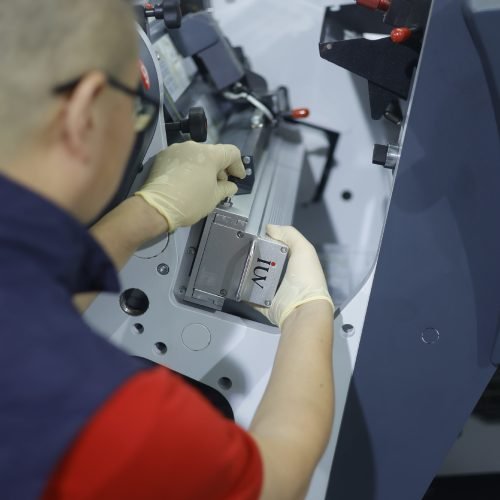
- Compact Design and Integration: LED UV systems are often more compact than their mercury lamp counterparts. This allows for easier integration into existing press designs and can sometimes lead to a less cluttered press environment, potentially reducing the risk of physical damage to components from external factors.
The Economic and Operational Impact
The extension of printing equipment life is not just a technical benefit; it carries significant economic weight. Reduced wear and tear means:
- Lower Maintenance Costs: Fewer parts need replacing, and less frequent major servicing is required.
- Increased Uptime: Less unscheduled downtime due to equipment failure translates directly into higher productivity and faster order fulfillment.
- Predictable Operational Expenses: While the initial investment in LED UV may be higher, the long-term savings in maintenance and replacement parts, combined with energy efficiency, often lead to a lower total cost of ownership.
- Preservation of Investment: Printing presses are significant capital investments. Extending their operational lifespan allows businesses to maximize their return on investment before needing to consider a full press replacement.
In conclusion, the shift towards LED UV curing technology offers a more sustainable, efficient, and gentler approach to the printing process. By significantly reducing the thermal load and providing a more stable and controlled curing environment, LED UV systems actively contribute to extending the operational life and maintaining the performance of critical printing equipment across a wide spectrum of applications, from narrow-web labels to wider format printing.