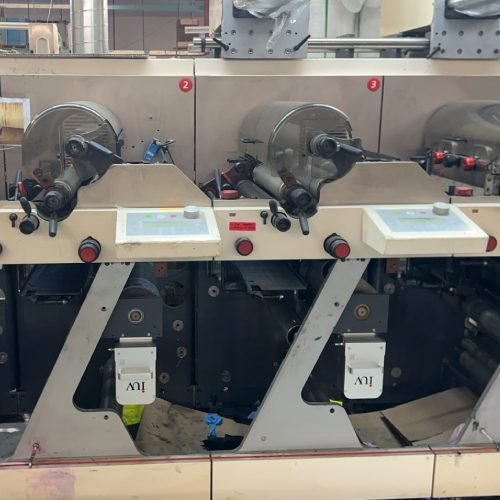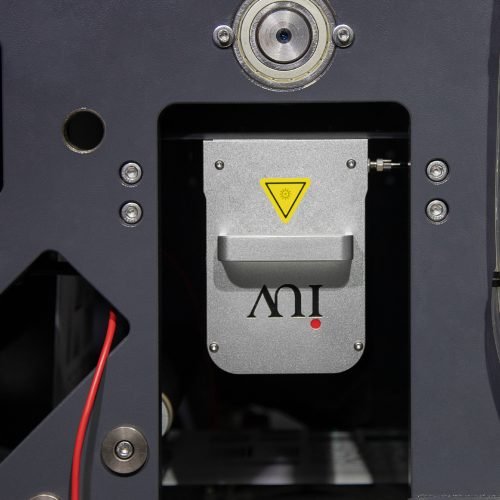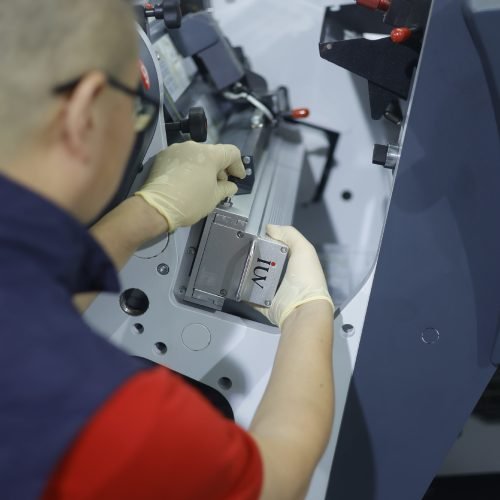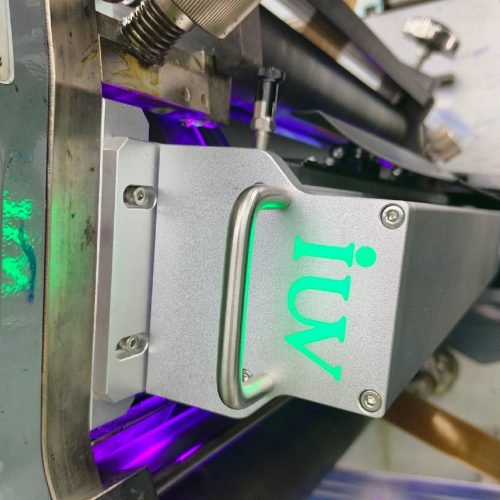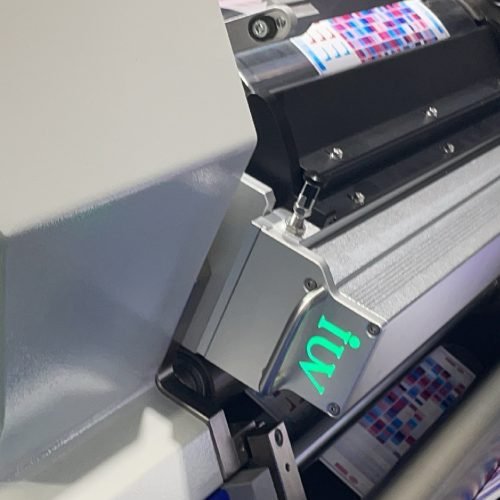
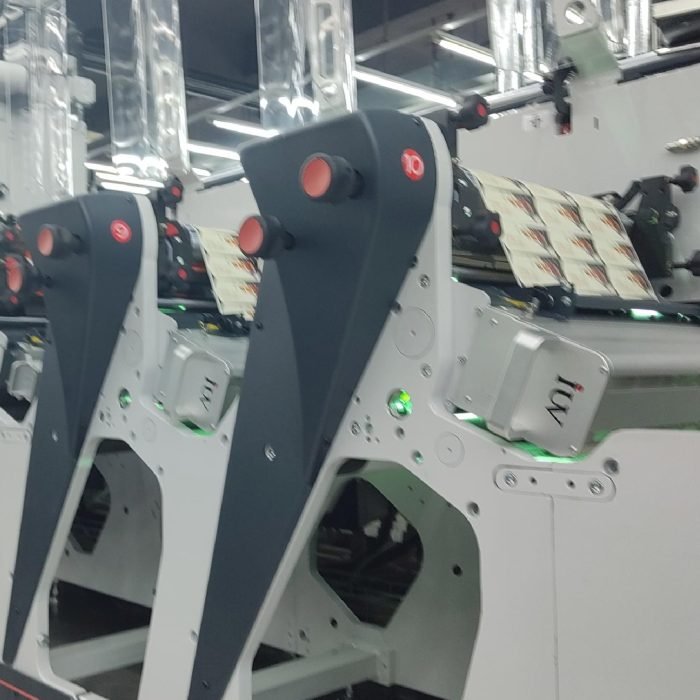
High-volume label printing requires advanced technology to meet the increasing demand for high-quality, efficient, and cost-effective production. One such technology that has transformed the industry in recent years is LED UV curing systems. These systems offer several advantages over traditional UV curing methods, making them ideal for high-volume label printing applications. This article explores how LED UV curing systems help meet the demands of high-volume label printing, with a focus on flexographic, letterpress, and narrow-web printing techniques.
What is LED UV Curing?
LED UV curing is a process where ultraviolet (UV) light emitted by LED lamps is used to cure (harden) inks, coatings, and adhesives quickly and efficiently. Unlike conventional UV curing systems that use mercury vapor lamps, LED UV systems utilize light-emitting diodes to produce UV light at specific wavelengths. The key benefit of LED UV technology is its ability to cure ink instantly, offering faster production speeds and reducing the need for additional drying time.
The Growing Demand for High-Volume Label Printing
The label printing industry has seen a significant shift towards shorter production runs, customizations, and faster turnaround times. Brands now demand labels that are not only visually appealing but also durable, capable of withstanding harsh environments, and compliant with ever-evolving regulatory standards. As a result, print manufacturers must adopt new technologies that help them meet these high-volume, high-quality demands while keeping costs competitive.
Flexographic Printing and LED UV Curing
Flexographic printing is one of the most common techniques used in label production, particularly for high-volume runs. This process uses flexible printing plates and quick-drying inks to print on a variety of substrates, including plastic, paper, and films. The speed and versatility of flexographic printing make it ideal for mass-production label printing.
LED UV curing has significantly enhanced the capabilities of flexographic printers. Traditionally, curing with mercury vapor lamps could be slow and inefficient, especially for large-scale runs. LED UV curing, however, offers several benefits for flexographic printing:
- Faster Drying Times: LED UV curing systems cure inks almost instantaneously, allowing the printed labels to move through the production line much faster. This rapid curing significantly boosts production speeds, ensuring high-volume orders are completed on time.
- Lower Energy Consumption: LED UV lamps consume far less energy compared to traditional mercury vapor lamps. This translates into reduced operational costs, which is critical in high-volume production environments.
- Improved Print Quality: LED UV systems provide better control over curing, which results in superior ink adhesion and higher-quality prints. This is especially important for labels that need to maintain sharp graphics and vibrant colors, even under high-speed production.
- Longer Lamp Life: LED UV lamps last much longer than mercury vapor lamps, reducing the frequency of replacements and lowering maintenance costs. This is a significant advantage in high-volume settings where uptime is critical.
Letterpress Printing and LED UV Curing
While flexographic printing is dominant in the label industry, letterpress printing also plays a role in specific label applications. Letterpress printing involves using raised images on a printing plate, which is inked and then pressed onto the substrate. This process is known for its ability to produce sharp, high-quality prints.
LED UV curing is increasingly being adopted in letterpress printing due to its ability to cure inks quickly and efficiently. This is particularly useful when printing on non-porous substrates, such as films and foils, which traditionally posed challenges for drying.
The advantages of LED UV curing in letterpress printing include:
- Faster Job Turnaround: Since LED UV curing reduces drying times significantly, printers can move from one job to the next more quickly. This enables higher throughput and increased production efficiency.
- Better Color Fidelity: Letterpress printing often requires vibrant and precise color reproduction. LED UV curing provides a consistent, uniform curing process, ensuring that colors remain sharp and accurate, even on intricate designs.
- Enhanced Substrate Compatibility: Letterpress printing typically uses a wider range of substrates, including difficult-to-print materials. LED UV inks adhere well to both non-porous and porous surfaces, increasing flexibility and enabling the printing of more diverse label types.
Narrow-Web Printing and LED UV Curing
Narrow-web printing refers to the printing of labels and packaging on narrow-width rolls, typically ranging from 10 to 20 inches. This technique is often used for high-quality, short-run label production, where precision and color accuracy are critical.
In narrow-web printing, LED UV curing has proven to be a game-changer. Here’s why:
- Reduced Drying Time: Narrow-web printing requires high precision and detail, and LED UV curing provides the speed needed to achieve this without compromising on print quality. In this fast-paced environment, where every second counts, LED UV curing helps reduce downtime, keeping production flowing smoothly.
- Eco-Friendly Solutions: Narrow-web label printers are increasingly focused on sustainable practices, and LED UV curing plays a role in achieving this goal. The lower energy consumption and absence of harmful chemicals make LED UV systems more environmentally friendly compared to traditional UV lamps.
- Versatility: Narrow-web printing often involves the use of various substrates, including plastic, foil, and paper. LED UV curing offers excellent ink adhesion to a wide range of materials, making it a versatile solution for different label types.
The Environmental Benefits of LED UV Curing
One of the most compelling reasons for the adoption of LED UV curing in high-volume label printing is its environmental benefits. LED UV curing technology is inherently more eco-friendly compared to traditional UV curing systems. Some of the key environmental advantages include:
- Lower Carbon Footprint: LED UV lamps consume significantly less energy than mercury vapor lamps. This reduction in energy usage helps lower the overall carbon footprint of label printing operations.
- No Hazardous Waste: Traditional mercury vapor lamps contain hazardous materials, including mercury, which can create disposal and recycling challenges. LED UV lamps are free from such harmful substances, making them safer and easier to handle.
- Reduced Need for Solvents: LED UV curing systems typically require fewer solvents and volatile organic compounds (VOCs), which helps reduce harmful emissions and improves indoor air quality within printing facilities.
Conclusion
LED UV curing systems have revolutionized the label printing industry by offering numerous benefits that align with the demands of high-volume production. Whether through faster drying times, improved print quality, energy efficiency, or environmental advantages, LED UV technology addresses the evolving needs of modern label printers.
For flexographic, letterpress, and narrow-web printers, LED UV curing provides the ideal solution for producing high-quality labels at faster speeds and with lower operational costs. As the demand for high-quality, sustainable labels continues to grow, LED UV curing is poised to remain a key player in meeting these challenges and advancing the capabilities of the label printing industry.