LED UV Curing Systems: Enhancing Print Quality for Complex Designs
The printing industry has continually evolved, with technological advancements driving the improvement of both efficiency and output quality. One of the most significant innovations in recent years has been the advent of LED UV curing systems, which have become pivotal in enhancing the quality of complex print designs. These systems offer distinct advantages, particularly when integrated into flexographic, letterpress, narrow-web printing, and UV curing technologies. In this article, we will explore how LED UV curing systems improve print quality, focusing on the benefits they bring to intricate print designs and specialized printing processes.
Understanding LED UV Curing Technology
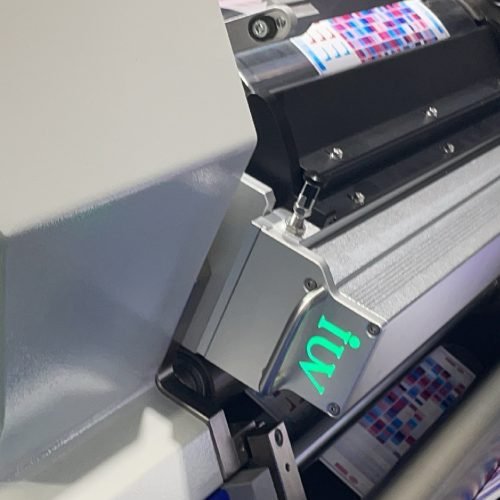
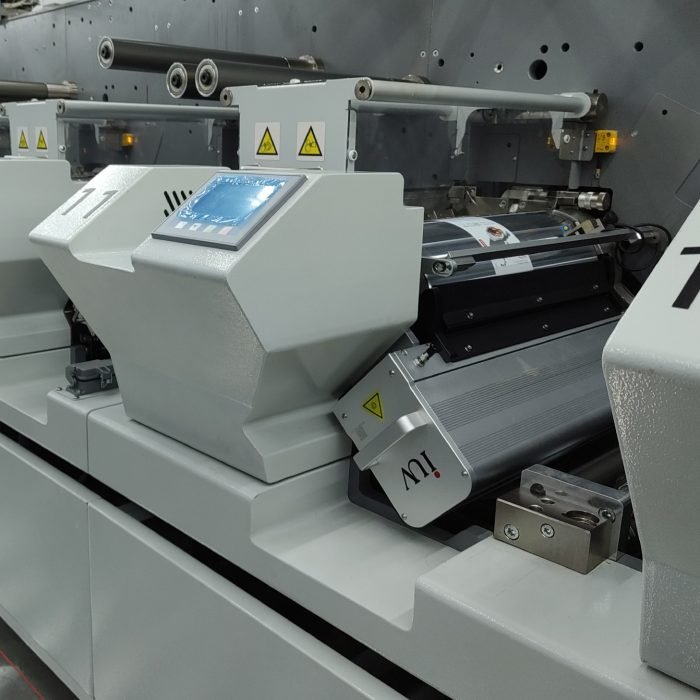
Before diving into how LED UV curing systems enhance print quality, it’s essential to understand the basic mechanics behind this technology. LED UV curing uses ultraviolet light emitted from light-emitting diodes (LEDs) to instantly cure ink or coatings during the printing process. Unlike traditional curing methods, which often rely on mercury vapor lamps, LED UV curing offers energy-efficient, faster curing times and superior control over the printing process. This results in a smoother, more uniform finish and improved ink adhesion to various substrates, all of which are crucial for achieving high-quality prints, especially on intricate designs.
Improved Adhesion and Durability of Ink
One of the most significant benefits of LED UV curing systems is their ability to improve ink adhesion and durability. In traditional printing processes, the ink needs time to dry after being applied to the substrate. However, with LED UV curing, the ink is immediately cured, which means it is less likely to smear or rub off. This is especially important when dealing with complex designs, where multiple layers of ink or coatings may be required.
LED UV systems ensure that inks, even those with higher pigment concentrations used for vibrant colors or special effects, adhere firmly to the surface. Whether you’re working with flexible packaging, shrink films, or textured substrates, the instant curing capability ensures that the print remains intact, avoiding the risk of smudging or bleeding. Furthermore, the durability of LED UV-cured prints makes them more resistant to abrasion, chemicals, and weather conditions, enhancing the long-term quality of the print.
Faster Production Speeds
In a highly competitive printing environment, time is of the essence. Traditional UV curing systems can require longer drying times, slowing down production speeds. LED UV curing, on the other hand, allows for much faster curing, often in a fraction of the time required by conventional methods. This is particularly beneficial in high-volume production settings, where complex designs with multiple layers or intricate details need to be printed quickly and efficiently.
For narrow-web and flexographic printing applications, this faster curing time enables the printer to produce more designs per hour, ultimately improving productivity. When working with short-run, customized, or variable data printing jobs—common in packaging and label production—the ability to cure quickly while maintaining consistent quality offers a competitive edge. By reducing downtime and increasing throughput, LED UV systems contribute to overall operational efficiency.
Enhanced Print Detail and Precision
When it comes to complex print designs, precision is key. Small details, fine lines, and multi-layered elements require a high level of accuracy and sharpness. LED UV curing systems improve print quality by preventing ink distortion or spreading, which can be a common issue with traditional drying methods.
Because the ink is cured almost instantly upon exposure to the UV light, there is little to no time for it to move or blur on the substrate. This instant curing process helps to preserve the fine details and crisp edges of intricate designs. Additionally, LED UV curing systems allow for more uniform coating thickness, ensuring that the final print has consistent color and texture across the entire sheet.
Flexographic printers, which often handle large runs of flexible packaging, as well as narrow-web printers dealing with intricate label and packaging designs, benefit from the precision offered by LED UV curing. The system ensures that even the most complex designs with multiple colors and fine detail can be reproduced with exceptional sharpness and clarity.
Superior Color Reproduction
Color fidelity is essential for creating high-quality prints, particularly when dealing with detailed or brand-specific designs. The speed and efficiency of LED UV curing systems contribute to superior color reproduction. LED UV ink sets are typically designed to retain their color vibrancy and consistency after curing, ensuring that prints stay true to the intended hues. This is especially crucial in applications such as packaging, where the brand’s color scheme must remain accurate throughout the print run.
LED UV curing is also compatible with a wide range of inks, including those used in flexographic, letterpress, and narrow-web printing. These inks typically offer higher color intensity and better opacity compared to traditional ink sets, enabling printers to achieve more vivid and consistent results. Additionally, LED UV curing reduces the likelihood of color degradation over time, preserving the vibrancy of the print even after exposure to light and environmental factors.
Energy Efficiency and Cost Savings
Another significant advantage of LED UV curing systems is their energy efficiency. Traditional UV curing systems that use mercury vapor lamps consume a considerable amount of power and produce substantial heat. This heat can damage sensitive substrates and increase the overall cost of operation. LED UV systems, however, generate less heat and consume much less energy, making them more environmentally friendly and cost-effective.
For printing companies looking to reduce their carbon footprint while lowering operational costs, switching to LED UV curing can provide significant savings over time. The longer lifespan of LED lamps also means fewer replacements, which further reduces maintenance costs. These energy savings, combined with the improved speed of curing, create a more streamlined and cost-efficient printing process.
Compatibility with Diverse Substrates
In the printing industry, flexibility is crucial. Printers often work with a wide range of substrates, including paper, plastic, film, and metals. LED UV curing systems offer excellent compatibility with many of these materials, providing a versatile solution for various applications. The instant curing process works well with both absorbent and non-absorbent surfaces, ensuring that the ink adheres effectively to a wide variety of substrates.
For flexographic and narrow-web printing applications, where printers frequently work with flexible materials such as films and foils, LED UV curing systems are particularly advantageous. These systems ensure that even delicate substrates can be printed with high-quality results without the risk of deformation or distortion.
Reduced Environmental Impact
As the printing industry increasingly shifts toward sustainability, LED UV curing systems present a viable solution for reducing environmental impact. Compared to traditional UV curing, which requires the use of mercury lamps and produces ozone, LED UV curing systems are ozone-free and generate fewer harmful emissions. Furthermore, the energy efficiency of LED lamps reduces the overall carbon footprint of the printing process.
The reduced need for solvent-based inks and coatings in LED UV curing also contributes to a more environmentally friendly operation. By minimizing the amount of volatile organic compounds (VOCs) released into the atmosphere, LED UV systems help printers comply with environmental regulations and promote safer working conditions for operators.
Conclusion
LED UV curing systems represent a significant advancement in printing technology, particularly for complex designs and specialized printing applications. By offering faster curing speeds, improved ink adhesion, better color reproduction, and compatibility with a wide range of substrates, LED UV curing ensures high-quality, durable prints that meet the demands of modern printing markets. Whether in flexographic, letterpress, or narrow-web printing, these systems are revolutionizing the way complex print designs are produced. Their energy efficiency and environmental benefits further enhance their appeal, making them an essential technology for printers aiming to improve both their print quality and overall operational efficiency.