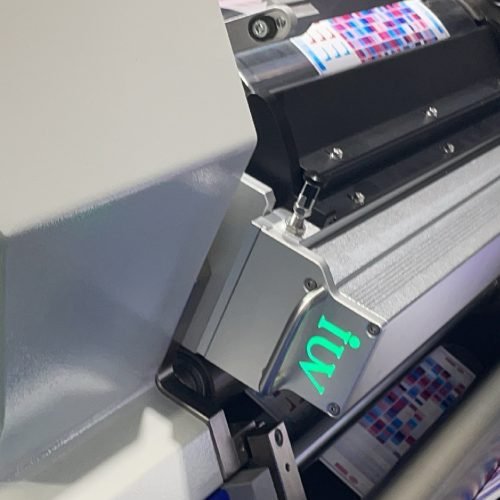
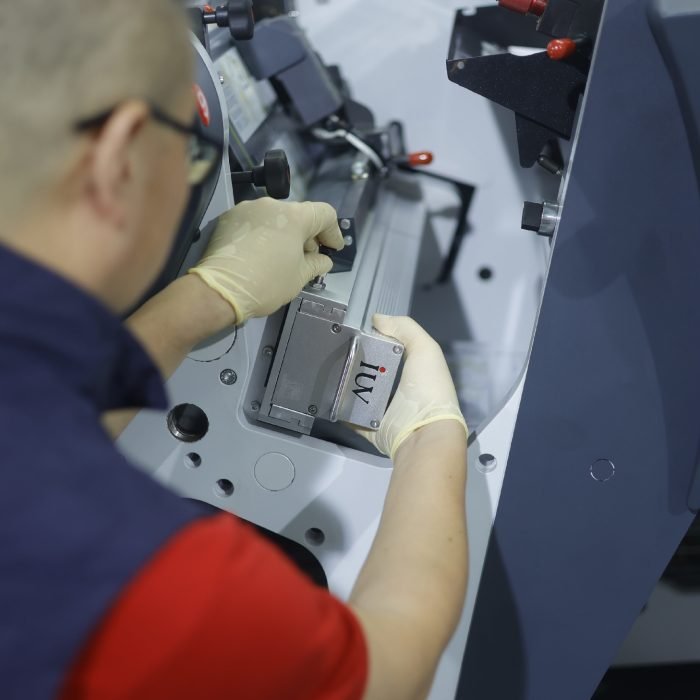
In the modern world of printing, particularly within flexible packaging, the demand for high-quality, durable, and visually appealing products has never been higher. As businesses and consumers increasingly prioritize sustainability, cost-effectiveness, and faster turnaround times, the need for advanced printing technologies that can meet these requirements has become paramount. One such innovation that has significantly enhanced print quality in flexible packaging is the use of LED UV curing systems. These systems not only improve the final product’s appearance but also offer numerous operational benefits for printers. This article will explore how LED UV curing systems work, their role in flexible packaging, and how they improve print quality, particularly in narrow-web, flexographic, and letterpress printing.
What is LED UV Curing?
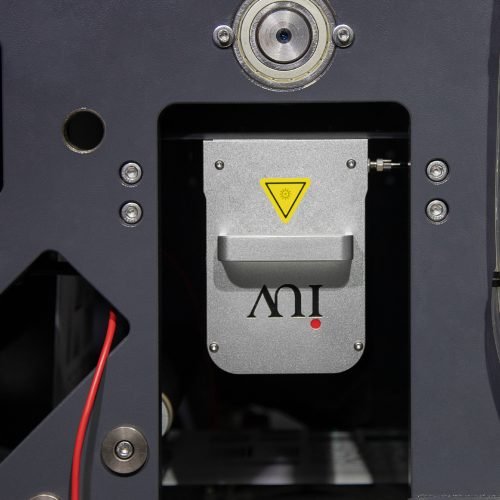
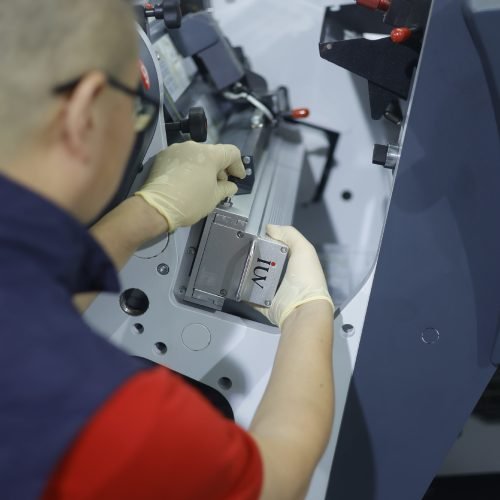
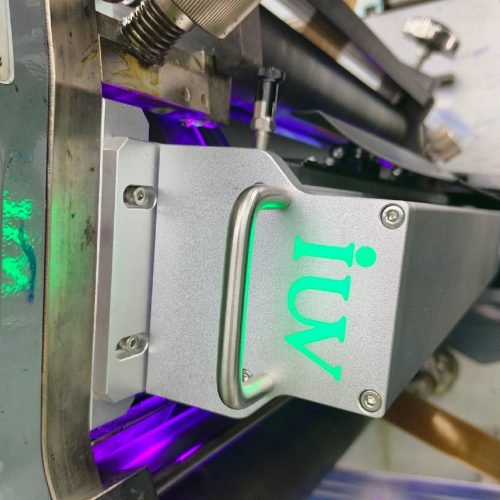
LED UV curing technology is a process that uses ultraviolet (UV) light to cure or dry ink instantly after it has been applied to a substrate. Unlike traditional drying methods, which require heat or air to evaporate the solvent in the ink, UV curing works by exposing the printed material to UV light, causing the ink to chemically react and solidify almost immediately. The key advantage of LED UV curing over conventional UV lamps is its use of light-emitting diodes (LEDs), which are more energy-efficient and last longer than traditional mercury vapor lamps.
Advantages of LED UV Curing in Flexible Packaging
Flexible packaging, which includes products like pouches, wrappers, and labels, often requires precise and high-quality printing to maintain brand consistency and product integrity. LED UV curing technology provides several benefits for this application:
1. Improved Print Durability
Flexible packaging materials often undergo extensive handling, such as folding, bending, and stretching. Therefore, it is essential for printed graphics to remain intact throughout the product’s lifecycle. LED UV curing ensures that the inks adhere strongly to the substrate and do not easily smudge or rub off. This results in more durable and resilient prints, which is especially important for brands that require high-quality prints on products that are exposed to environmental stress.
2. Enhanced Color Fidelity
Color is critical in packaging, as it plays a major role in attracting consumers and representing a brand’s identity. LED UV curing produces sharp, crisp colors with better fidelity than traditional drying methods. This is because the ink is cured almost immediately, preventing any distortion or color shifts that can occur when ink is allowed to dry gradually over time. Furthermore, LED UV curing systems offer the capability to print with a broader color gamut, ensuring that the final print matches the design specifications more closely.
3. Faster Drying Times and Increased Productivity
One of the key advantages of LED UV curing is its ability to dry ink instantly. This eliminates the need for long drying times typically associated with solvent-based inks, resulting in faster turnaround times and higher production speeds. In the highly competitive world of flexible packaging, printers can meet tight deadlines and improve overall productivity, making LED UV systems an attractive choice for companies looking to maximize efficiency and profitability.
4. Reduced Environmental Impact
As environmental concerns continue to grow, many printing companies are seeking more sustainable solutions. LED UV curing is a more environmentally friendly option compared to traditional UV curing, which requires mercury lamps that produce more heat and consume more energy. The LED-based curing process uses significantly less energy, generates less heat, and does not require the use of ozone-producing materials. Additionally, LED UV inks are often free from volatile organic compounds (VOCs), making them safer for both workers and the environment.
5. Ability to Print on a Wider Range of Substrates
LED UV curing allows printers to work with a broader range of substrates, including those that are difficult to print on using conventional methods. These include non-porous materials such as films, foils, and synthetic papers commonly used in flexible packaging. The ability to cure inks on a variety of surfaces expands the versatility of the printing process and provides packaging designers with more options for creating innovative products.
How LED UV Curing Improves Print Quality in Flexographic and Letterpress Printing
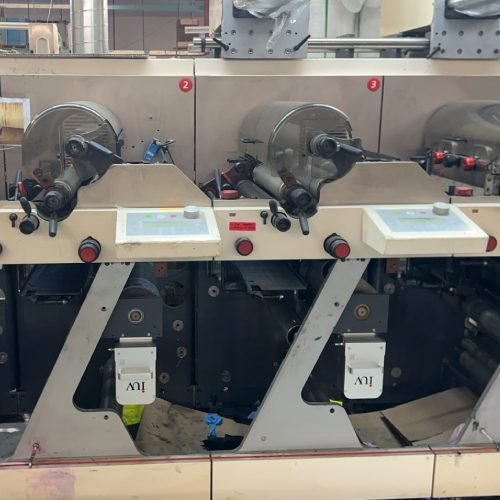
Flexible packaging often involves the use of flexographic printing, a high-speed, high-quality printing process that relies on flexible plates and fast-drying inks. The integration of LED UV curing systems into flexographic presses can significantly enhance print quality by offering precise ink control and more uniform curing.
Flexographic Printing
Flexographic printing typically uses solvent-based or water-based inks, which require drying time. The introduction of LED UV curing technology has revolutionized the flexographic printing process by offering the following advantages:
- Sharper Details: Since LED UV ink cures instantly, the risk of ink bleeding or spreading is minimized, resulting in cleaner, sharper images. This is particularly important for fine details and high-resolution images on flexible packaging.
- Better Registration: Accurate color and image registration is crucial in flexographic printing. The instantaneous curing of LED UV inks helps maintain tight tolerances, reducing misregistration during the printing process.
- Enhanced Ink Adhesion: LED UV inks adhere better to non-porous flexible substrates, such as plastic films, which are commonly used in flexible packaging. This enhances the durability and longevity of the print, ensuring that it remains intact even after the packaging is subjected to stress.
Letterpress Printing
Letterpress printing, though less common in flexible packaging, is still used for specific applications, especially when high-quality, high-contrast text is required. By integrating LED UV curing into letterpress printing, the system can achieve:
- Vivid Color Reproduction: LED UV curing produces vibrant, rich colors, which are essential for the precise and high-quality prints that letterpress is known for.
- No Drying Delays: Like flexographic printing, letterpress printing benefits from the instant curing of LED UV inks, eliminating the need for drying stations and speeding up production.
- Improved Surface Finish: The instant curing process gives letterpress prints a superior surface finish, often with a gloss or satin effect, which is highly desirable in packaging design.
Narrow-Web Printing Applications
Narrow-web printing presses are often used in flexible packaging, particularly for short runs, labels, and other specialty applications. These presses are ideal for use with LED UV curing systems due to their high efficiency and ability to print on a variety of substrates. The small format of narrow-web presses allows for faster setup times and more precise control over the curing process, leading to better overall print quality.
In narrow-web printing, LED UV curing improves:
- Print Consistency: With instant curing, LED UV inks dry evenly across the print, ensuring that colors remain consistent throughout the print run.
- No Ink Setoff or Smudging: Ink that dries instantly is less likely to smudge or set off, ensuring that printed material stays clean and well-defined during the printing process and while handling.
- Less Waste: The efficiency of LED UV curing reduces the need for reprints, helping printers cut down on material waste and improve overall profitability.
Conclusion
The integration of LED UV curing systems into flexible packaging printing processes has brought about significant improvements in both print quality and production efficiency. By offering faster drying times, better color fidelity, and greater durability, LED UV curing technology is transforming the landscape of flexographic and letterpress printing. Its environmental benefits and ability to print on a wider range of substrates further contribute to its growing popularity in the industry. As consumer demand for high-quality packaging continues to rise, the role of LED UV curing in ensuring consistent, durable, and visually appealing prints will only become more critical for printers striving to remain competitive in the marketplace.