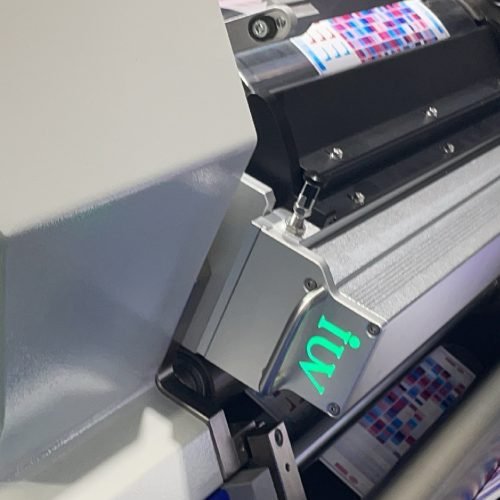
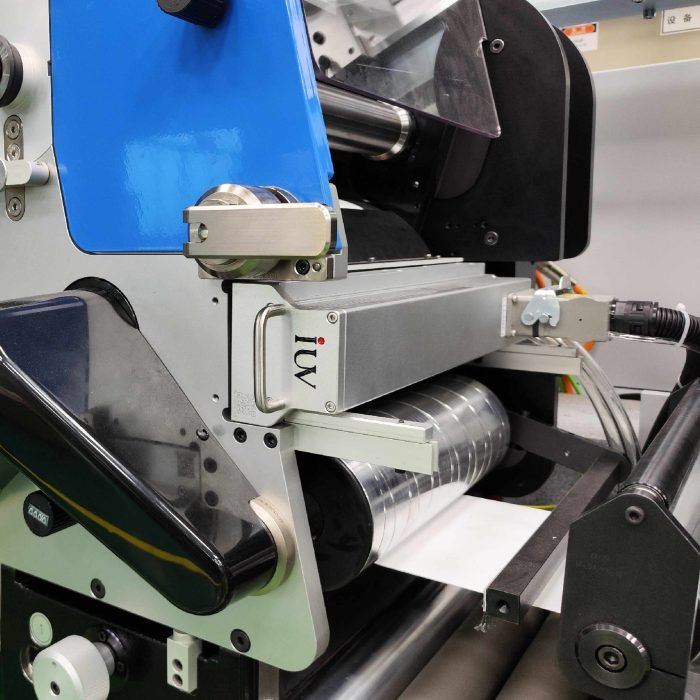
For flexo printers, especially those in the narrow web sector, uptime is king. Every minute a press sits idle for maintenance is a minute of lost production and, consequently, lost revenue. Traditional UV curing systems, while effective, often come with a significant maintenance burden. This is where the innovative leap to LED UV curing systems truly shines, offering a pathway to dramatically reduced downtime and a more streamlined operation.
Understanding the Drawbacks of Conventional UV
Before diving into the benefits of LED UV, it’s helpful to understand why conventional mercury lamp UV systems can be maintenance headaches. These systems rely on mercury vapor lamps that generate UV light through an electrical arc. This process has several inherent drawbacks from a maintenance perspective:
- Lamp Degradation and Replacement: Mercury lamps degrade over time. Their UV output diminishes, leading to inconsistent curing and requiring frequent monitoring and replacement. This isn’t a simple swap; it often involves specialized tools and trained personnel, adding labor costs and potential for error.
- Heat Management: These lamps produce substantial heat, necessitating complex and often power-hungry cooling systems, typically involving water chillers and extensive ducting. These cooling systems themselves require regular maintenance, including fluid checks, filter cleaning, and component inspections, all contributing to overall operational complexity.
- Ozone Production: The electrical discharge in mercury lamps generates ozone, a corrosive gas that can degrade other press components over time. This requires ventilation systems and monitoring, another layer of maintenance to ensure a safe and healthy working environment.
- Startup and Shutdown Cycles: Mercury lamps require a warm-up period to reach optimal UV output and a cool-down period before they can be safely handled or replaced. These cycles add to setup and teardown times, impacting efficiency.
The LED UV Advantage: A Maintenance Revolution
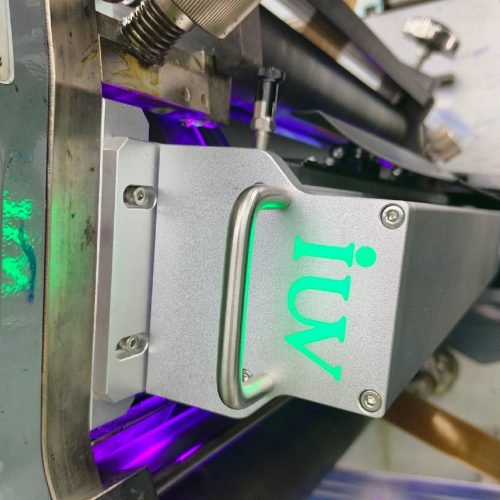
LED UV curing systems operate on a fundamentally different principle. Instead of mercury vapor, they use semiconductor diodes to emit UV light at specific wavelengths. This technological shift unlocks a cascade of maintenance-reducing benefits for flexo printers.
1. Unparalleled Lamp Lifespan and Stability
This is perhaps the most significant advantage. LED UV lamps boast an extraordinarily long operational life, often rated for 10,000 to 20,000 hours or even more. This is exponentially longer than the typical lifespan of a mercury lamp, which might only last a few thousand hours.
- Reduced Replacement Frequency: With such extended lifespans, the need for frequent lamp replacements is virtually eliminated. This means less time spent ordering, stocking, and physically swapping out lamps.
- Consistent Output: Unlike mercury lamps that degrade, LEDs maintain a stable UV output throughout their life. This consistency ensures reliable curing performance, reducing the need for adjustments and troubleshooting related to inconsistent ink or coating cure. This stability directly translates to fewer callbacks and less waste.
2. Minimal Heat Emission and Simplified Cooling
LED UV systems are remarkably efficient in converting electricity into UV light. They produce very little infrared radiation (heat) compared to mercury lamps.
- Elimination of Chillers: For many narrow web flexo applications, the low heat output of LED UV systems means that expensive and maintenance-intensive water chillers can be eliminated entirely. This removes a significant source of potential failure and reduces overall energy consumption.
- Simpler Airflow: Any heat generated is easily managed with simple air-cooling solutions, often integrated directly into the curing unit. This simplifies the overall system design and eliminates the need for complex plumbing and fluid maintenance.
3. No Ozone Production, Healthier Environment
The semiconductor nature of LEDs means they do not produce ozone.
- Improved Air Quality: This eliminates the need for extensive ventilation systems and the associated maintenance requirements for filters and fans, leading to a healthier and safer working environment for press operators.
- Reduced Equipment Stress: Without ozone, other sensitive press components are less susceptible to degradation, potentially extending their own lifespan.
4. Instant On/Off Capability
LEDs deliver full UV output the moment they are switched on and shut off instantly.
- No Warm-up/Cool-down: This eliminates the time wasted on warm-up and cool-down cycles associated with mercury lamps. The press is ready to run almost immediately, and the curing unit can be shut down as soon as printing stops, saving energy and reducing wear.
- Increased Flexibility: This instant control allows for more dynamic job setups and faster changeovers, contributing to overall press efficiency.
5. Compact Design and Easier Integration
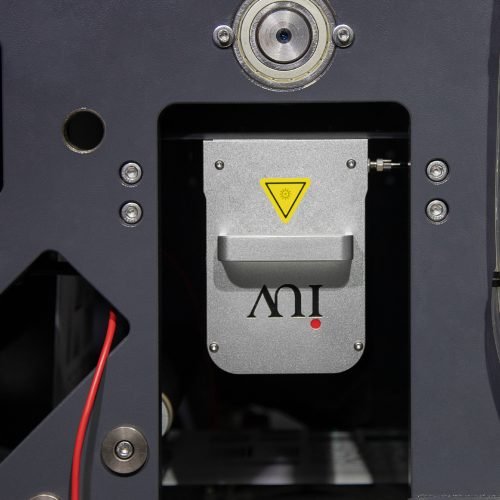
The solid-state nature of LEDs allows for much more compact curing head designs compared to bulky mercury lamp systems.
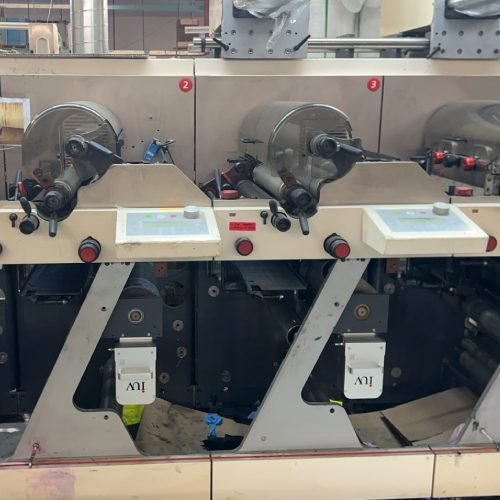
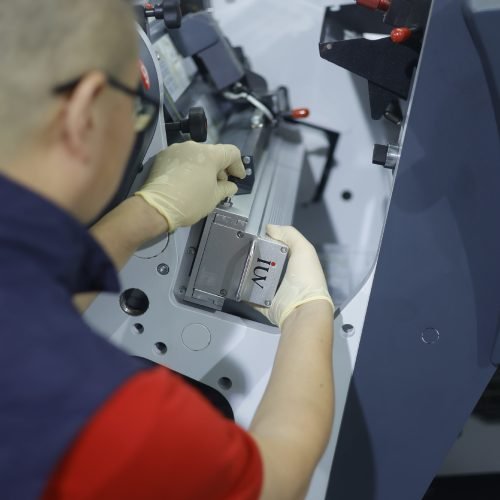
- Space Savings: This makes them easier to integrate into existing narrow web flexo presses or to specify in new machinery, often requiring less physical space.
- Simplified Installation and Maintenance Access: Their smaller footprint can also improve access for any necessary routine checks, making servicing more straightforward.
Impact on Specific Printing Processes
The benefits of LED UV curing extend across various printing applications that commonly use flexography:
- Label Printing: In the fast-paced world of label production, where quick turnarounds and consistent quality are paramount, the reduced downtime from LED UV maintenance is a game-changer. The ability to achieve excellent adhesion and scratch resistance on a variety of substrates, without the worry of frequent lamp failures, is invaluable.
- Flexible Packaging: For printers working with flexible packaging materials, consistent and reliable curing is critical for product integrity and shelf appeal. LED UV systems provide this reliability with significantly less maintenance. The ability to cure at lower temperatures can also be advantageous for heat-sensitive films.
- Narrow Web Printing: This is where LED UV technology has seen some of its most rapid adoption. The inherent efficiencies of LED systems align perfectly with the demands of narrow web presses, which often run multiple short to medium-sized jobs per shift. Reduced maintenance translates directly to higher press utilization and profitability in this competitive market segment.
- Offset and Gravure Complementarity: While the focus here is flexo, it’s worth noting that LED UV is also being adopted in offset and gravure printing. The maintenance benefits are universal, and as the technology matures, its reach will only expand.
Investing in the Future of Print
The transition to LED UV curing systems represents more than just an upgrade; it’s a strategic investment in operational efficiency and profitability. By dramatically reducing the frequency of lamp replacements, eliminating complex cooling systems, improving the working environment, and offering instant on/off functionality, LED UV technology tackles many of the persistent maintenance challenges faced by flexo printers.
While the initial investment in LED UV systems might be higher than traditional UV, the long-term savings in reduced maintenance, lower energy consumption, less waste, and increased press uptime more than justify the expenditure. For label printers and narrow web specialists seeking to optimize their operations and stay ahead in a demanding industry, embracing the maintenance-reducing power of LED UV curing is no longer an option – it’s a necessity. The shine of efficiency is here, and it’s powered by LED UV.