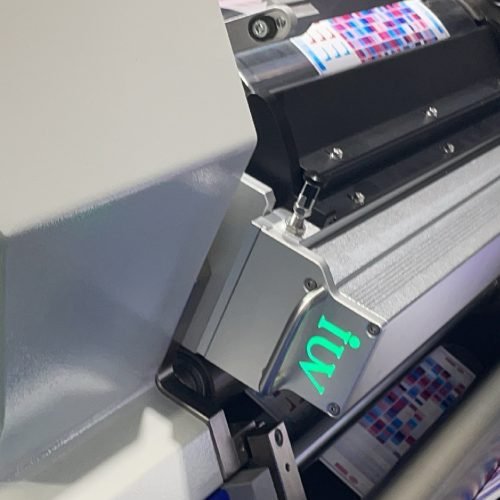
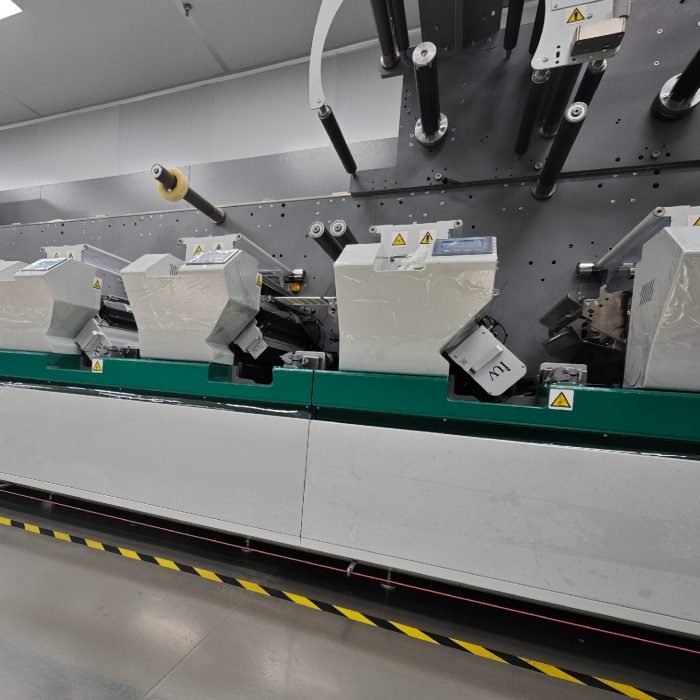
In the printing industry, the move towards sustainability and compliance with stringent environmental regulations is gaining momentum. As the demand for eco-friendly solutions increases, LED UV curing systems are becoming a critical technology for ensuring that printing operations align with both environmental and regulatory standards. In this article, we explore how LED UV curing systems support compliance with environmental standards, particularly in the context of flexographic printing, letterpress printing, narrow-web printing, and UV curing technology.
The Rise of LED UV Curing Technology in Printing
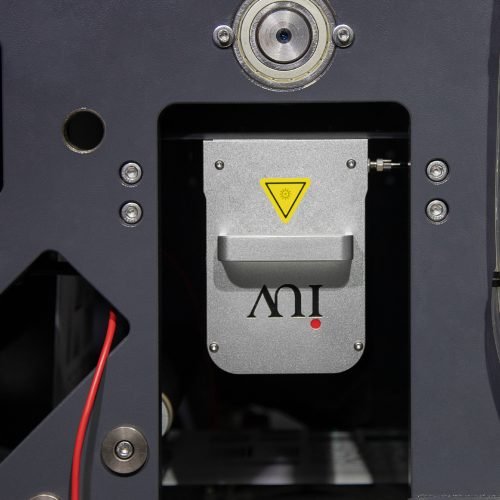
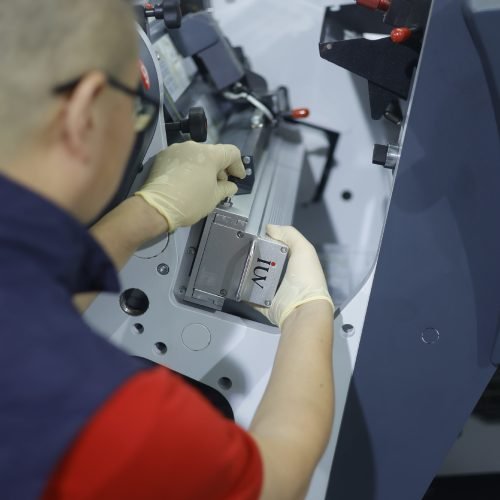
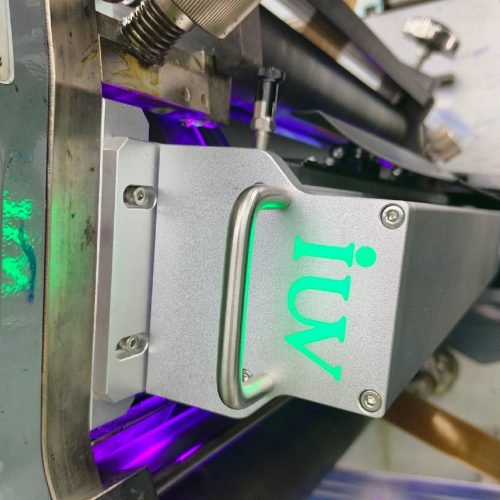
LED UV curing is a process that uses ultraviolet (UV) light to rapidly cure or dry inks, coatings, and adhesives during the printing process. Unlike conventional curing systems, which rely on mercury vapor lamps to generate UV light, LED UV curing systems use light-emitting diodes (LEDs) to produce UV radiation. This transition to LED-based systems is not just a technological innovation but also a response to growing demands for greener and more energy-efficient solutions in the printing industry.
Environmental Impact and the Shift Towards LED UV Curing
One of the most significant benefits of LED UV curing systems is their environmental performance. Traditional UV curing systems require high levels of energy to operate, as they rely on mercury vapor lamps, which can have a substantial carbon footprint. Furthermore, mercury lamps have a limited lifespan and must be replaced regularly, contributing to waste generation.
In contrast, LED UV systems are far more energy-efficient. They consume significantly less power compared to their mercury-based counterparts, resulting in a reduction in overall energy consumption. LED UV curing units also have a longer lifespan, which reduces the frequency of replacements and the amount of waste generated by the printing process.
Compliance with Environmental Standards
As governments and regulatory bodies around the world enforce stricter environmental standards, printing companies are required to adopt technologies that reduce harmful emissions and minimize their environmental impact. LED UV curing systems play a crucial role in helping printing companies comply with these regulations. Here are several key areas where LED UV curing contributes to environmental compliance:
1. Reduced Energy Consumption
LED UV curing systems use significantly less energy than traditional UV curing systems. This reduction in energy consumption helps print shops lower their carbon footprint, contributing to their overall sustainability goals. The energy savings can also lead to cost reductions, making LED UV curing not only environmentally friendly but also economically beneficial.
2. Lower Emissions
Traditional UV curing systems emit ozone and other harmful gases during the curing process. These emissions can contribute to air pollution and may be harmful to workers and the surrounding environment. LED UV curing systems, on the other hand, produce little to no ozone, making them a cleaner and safer alternative. This is particularly important in countries and regions where air quality standards are strictly enforced.
3. Minimal Heat Generation
The high heat output from traditional UV lamps can lead to excessive energy consumption and the need for additional cooling systems. LED UV systems generate very little heat, which reduces the demand for energy-intensive cooling solutions. This characteristic helps printing companies maintain more energy-efficient operations and contributes to overall environmental compliance.
4. Compliance with REACH and RoHS Regulations
Many printing inks and coatings contain hazardous substances that are subject to regulation under the European Union’s REACH (Registration, Evaluation, Authorization, and Restriction of Chemicals) and RoHS (Restriction of Hazardous Substances) directives. LED UV curing systems support compliance with these regulations by enabling the use of safer inks and coatings. Because LED curing requires lower temperatures, it helps preserve the chemical integrity of the inks, reducing the likelihood of releasing harmful substances during the printing process.
How LED UV Curing Enhances Specific Printing Technologies
LED UV curing technology is widely applicable across various printing methods, including flexographic printing, letterpress printing, and narrow-web printing. These printing methods benefit significantly from the efficiency and environmental advantages of LED UV curing.
1. Flexographic Printing
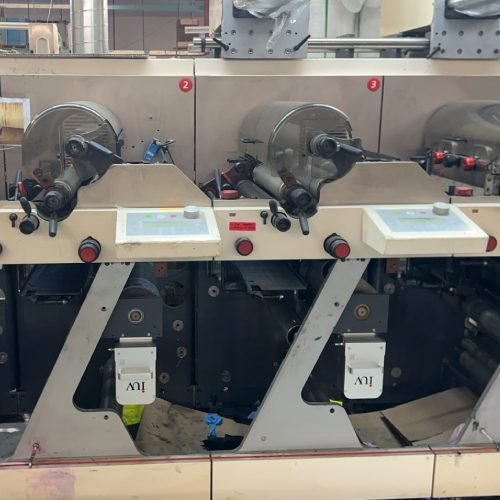
Flexographic printing is commonly used in packaging, labels, and flexible materials. It often requires the use of UV inks, which need to be cured quickly to maintain the speed and efficiency of the printing process. LED UV curing systems offer significant advantages in flexographic printing by reducing energy consumption, lowering operating temperatures, and extending the lifespan of UV lamps. This helps flexographic printers meet environmental standards while improving operational efficiency.
2. Letterpress Printing
Although letterpress printing is not as common today as other methods, it is still widely used for premium printing applications, such as stationery and high-end packaging. LED UV curing has found a place in modern letterpress printing because it can cure inks faster, allowing for higher-quality prints with fewer environmental impacts. Letterpress printers using LED UV curing systems benefit from reduced energy costs and lower emissions, which help them stay compliant with environmental regulations.
3. Narrow-Web Printing
Narrow-web printing is primarily used for labels and small-format packaging, and it often relies on UV inks to achieve vibrant colors and durability. Narrow-web printers that use LED UV curing systems experience faster drying times, allowing them to increase production speeds while reducing the overall energy consumption of their presses. Additionally, LED UV curing’s low heat output ensures that substrates, such as films and papers, are not warped or damaged, which is crucial in narrow-web printing applications.
The Role of LED UV Curing in Waste Reduction
LED UV curing also plays a role in waste reduction, another important aspect of environmental compliance. Traditional curing systems often require large amounts of UV ink to achieve the desired results. Excess ink that is not used during the printing process often ends up being discarded, leading to waste generation.
LED UV curing systems, with their precise curing capabilities, allow printers to use less ink while achieving the same high-quality results. Additionally, the faster curing times reduce the likelihood of ink smudging, minimizing the need for reprints and further reducing waste. By adopting LED UV curing, printers can significantly reduce both ink waste and material waste, further supporting their environmental goals.
Conclusion
The integration of LED UV curing technology in the printing industry represents a major step towards sustainability and environmental compliance. By reducing energy consumption, lowering emissions, and minimizing waste, LED UV curing systems offer a powerful solution for printers looking to align with increasingly stringent environmental standards. Whether in flexographic printing, letterpress printing, or narrow-web printing, LED UV curing systems provide significant advantages in terms of both performance and environmental responsibility.
As the industry continues to evolve, the shift to LED UV curing is not just a matter of technological innovation—it is a strategic move towards a greener, more sustainable future for the printing industry.