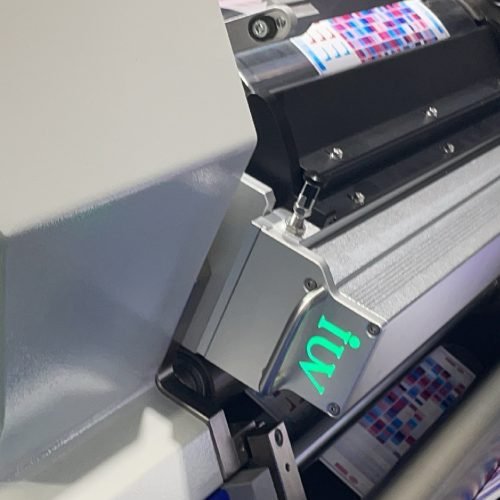
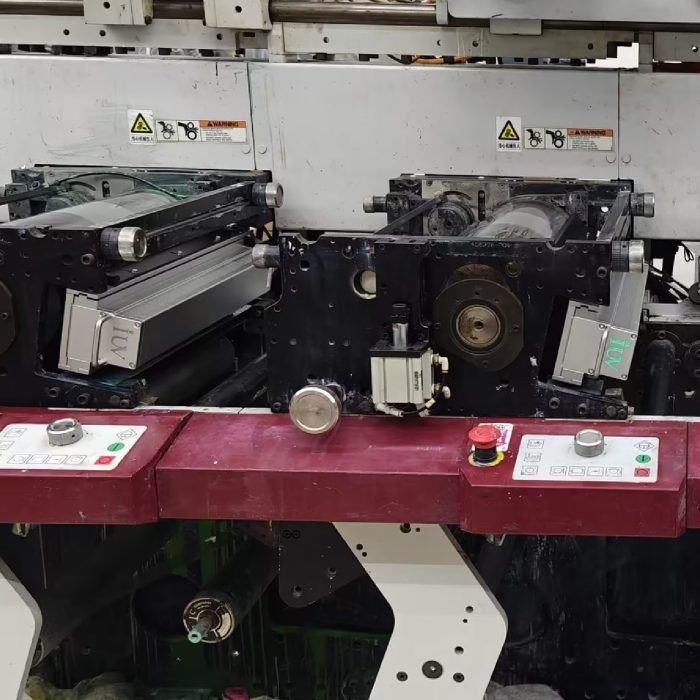
Selecting an LED curing system for your printing operation isn’t about chasing specs – it’s about solving production puzzles. Let’s cut through the marketing fluff and examine what actually matters when pairing UV-LED technology with different press configurations.
Material Compatibility Dictates Wavelength Narrow-web label presses running thin films demand different energy profiles than sheetfed offset machines curing thick ink layers. Match your LED’s peak wavelength to the photoinitiators in your specific inks: 365-385nm handles most free radical chemistries, while 395-410nm suits newer cationic formulations. Test under production conditions – some metallic substrates reflect UV differently than lab test samples suggest.
Curing Power ≠ Radiant Exposure A 30W/cm² system means nothing without context. Calculate required energy density (J/cm²) for complete curing: (UV Power × Exposure Time) + Substrate Heat Tolerance = Operational Sweet Spot Flexo printers often succeed with 8-12 J/cm² for water-based inks, while screen printing hybrids might need 25 J/cm²+ for high-density whites. Monitor lamp degradation – output drops 10-15% annually in poorly cooled systems.
Press Speed vs. Cure Requirements Web tension limitations in flexo demand instant curing, while sheetfed operations can tolerate brief post-cure times. For 200m/min narrow-web jobs, look for ≥40W/cm² systems with focused beam collimation. Slower carton presses (30m/min) achieve better results with 20W/cm² arrays using staggered exposure zones.
Heat Management Strategies Polyester labels warp at 60°C, yet thick UV varnishes need 80°C+ for proper crosslinking. Active cooling systems (water/air) maintain substrate temps while allowing sufficient exothermic reaction. Dual-lens designs separate IR heat from UV spectrum – crucial for heat-sensitive synthetics.
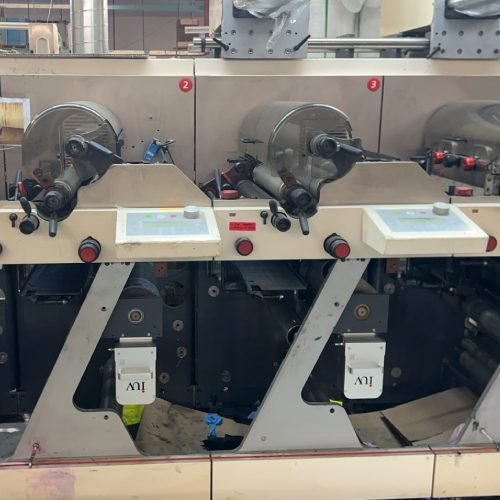
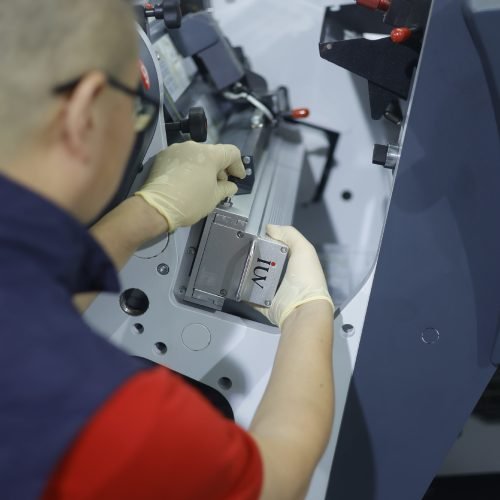
Form Factor Integration Retrofitting older presses? Measure platen clearance – some LED arrays add 15mm height where traditional mercury lamps needed 5mm. Rotary screen attachments require <8mm profile LED strips. Newer hybrid presses often design around modular LED units with quick-swap cartridges.
Ink Chemistry Considerations Free radical inks cure instantly but suffer oxygen inhibition. Cationic types continue curing post-exposure – better for thick deposits but sensitive to moisture. New amine-free formulations reduce odor for food packaging while demanding tighter wavelength control. Always test ink/coating batches with your specific LED spectrum.
Electrical Realities A 120cm web press with full LED curing draws 25-40kW – confirm your facility’s phase capacity. Three-phase systems handle voltage drops better for consistent output. Smart drivers with power factor correction (≥0.95) prevent harmonic distortion in plants with sensitive digital equipment.
Maintenance Truths LED lifetime ratings (20,000-50,000 hours) assume optimal thermal management. Dust accumulation on lenses cuts UV output by 30% within 6 months in unsealed press environments. Implement monthly IPA wipe-downs and annual reflector realignments. Track curing energy with radiometers – not arbitrary timers.
Cost Analysis Breakdown Upfront LED costs run 2-3× mercury systems but slash long-term expenses:
- 60% less energy consumption
- Elimination of bulb replacement ($3k/year for 24/7 operations)
- No ozone exhaust systems required
- Reduced HVAC loads from absent IR heat
Regulatory Shifts With mercury phase-outs accelerating in EU/US/China, LED becomes OPEX insurance. Future-proof installations with IEC 62471-compliant systems – Class 1 LEDs avoid safety interlocks needed for Class 2/3 units.
Application-Specific Solutions Label Printing: Low-migration inks need <40°C curing – combine 385nm LEDs with nitrogen inerting Flexible Packaging: Matte finishes require uniform 360° exposure – rotating lens arrays prevent shadowing Carton Board: High-pigment coatings demand 12-15mJ/cm² UVA for surface cure plus 5mJ/cm² UVV for through-cure Screen Hybrid: Interstation LED units between screen/offset units prevent ink offset without slowing production
The right LED system disappears into your workflow – no babysitting energy settings, no substrate warping surprises, no ink chemistry headaches. It becomes another calibrated component in your color reproduction chain, not a maintenance burden. Measure twice: spectral distribution graphs, irradiance maps across web width, thermal profiles under load. Buy once: systems with field-upgradable LEDs and smart cooling that ages with your press rather than obsolescing it.
Production floors don’t care about tech specs – they care about uptime. Choose the cure system that keeps rolls turning, substrates flat, and colors popping shift after shift. Every jam cleared is a cost; every reel wasted is a margin lost. Your UV system should solve more problems than it creates.