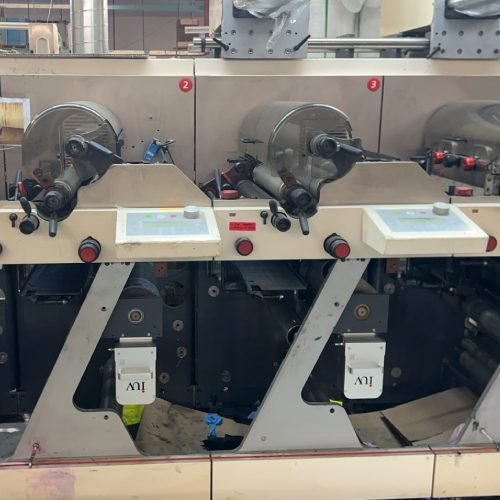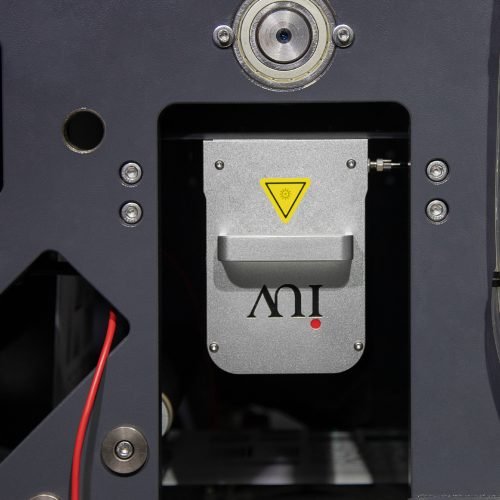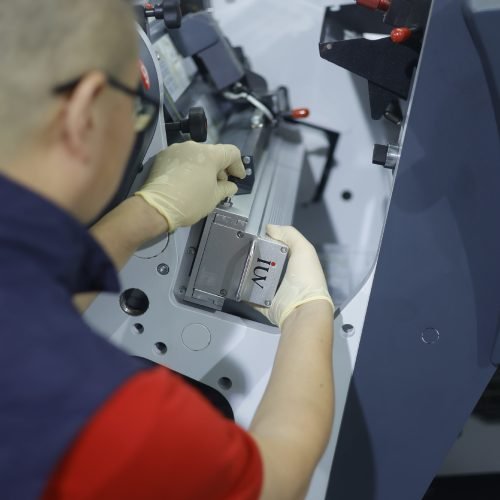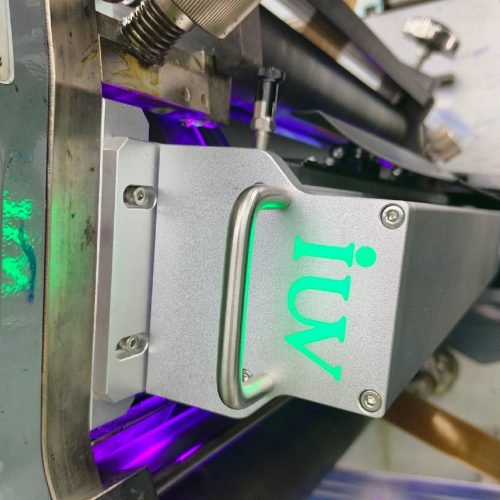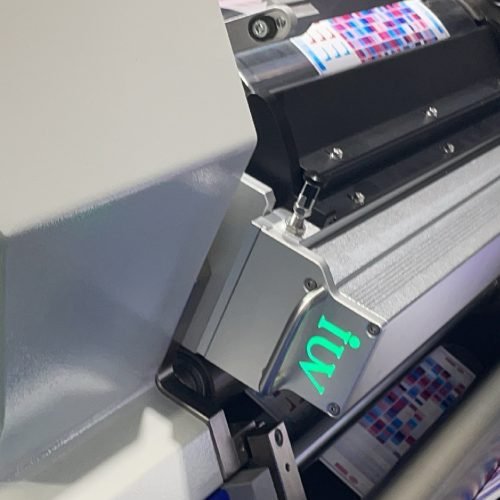
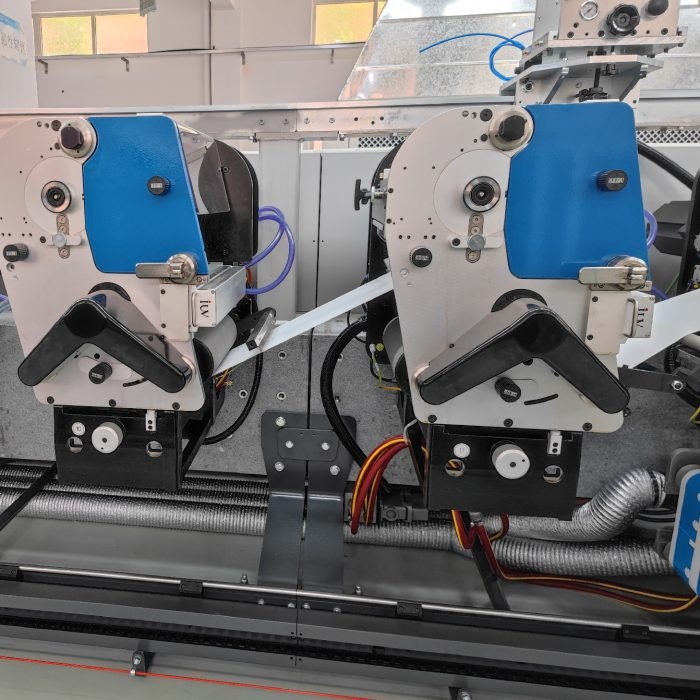
In the competitive world of print production, achieving consistent quality while maintaining efficiency remains a constant challenge. UV curing systems have emerged as transformative tools for flexographic printing, particularly in label and narrow-web applications. By replacing conventional drying methods with instant light-activated polymerization, this technology addresses critical pain points in color accuracy, substrate versatility, and production speed.
Instant Curing for Precision Color Reproduction
Traditional solvent-based inks face drying inconsistencies that lead to dot gain and color shifting during press runs. UV curing systems eliminate this variable by solidifying inks and coatings within milliseconds through controlled ultraviolet light exposure. This rapid transition from liquid to solid state preserves exact dot structures, maintaining color integrity across long print runs. Print operators gain unprecedented control over ink film thickness, crucial for achieving brand-specific Pantone matches in label printing applications.
Expanding Material Compatibility
The non-thermal nature of LED UV curing enables printing on heat-sensitive substrates that would warp or degrade under conventional drying systems. Thin films, pressure-sensitive labels, and specialty materials like synthetic papers maintain dimensional stability throughout the printing process. This capability proves particularly valuable in flexible packaging and shrink sleeve production where substrate integrity directly impacts final product performance.
Enhancing Print Durability
UV-cured inks form highly cross-linked polymer networks that resist abrasion, chemicals, and environmental factors. Printed components for automotive applications, industrial labels, and outdoor signage benefit from this enhanced durability without requiring additional protective varnishes. The cured ink film’s resistance to friction makes UV ideal for applications like pharmaceutical labels that undergo multiple handlings through distribution channels.
Reducing Energy Consumption
Modern LED UV systems consume significantly less power than traditional mercury vapor lamps while generating minimal heat. Narrow-web presses particularly benefit from this efficiency gain, as multiple curing stations can operate simultaneously without overwhelming facility power systems. The instant-on capability of LED arrays eliminates warm-up periods, further reducing energy waste during job changeovers or press downtime.
Improving Production Workflow
Immediate curing enables inline finishing processes that would otherwise require separate drying stages. Printers can implement die-cutting, embossing, and lamination immediately after ink application, dramatically reducing production time for complex label constructions. This streamlined workflow proves critical for meeting tight deadlines in seasonal packaging runs and just-in-time manufacturing environments.
Minimizing Environmental Impact
UV curing systems support compliance with increasingly stringent environmental regulations through multiple mechanisms. The elimination of solvent evaporation reduces VOC emissions, while energy-efficient LED modules lower carbon footprints. Many UV formulations now incorporate renewable raw materials, aligning with circular economy initiatives in the packaging sector. Print waste decreases significantly as immediate curing prevents offsetting during sheet stacking or web rewinding.
Optimizing Print Contrast and Opacity
The controlled curing environment allows precise management of ink pigment orientation. White inks achieve higher opacity with thinner film weights, critical for underprinting on transparent films. Metallic and fluorescent colors attain greater vibrancy as UV light instantly fixes reflective particles in optimal alignment. This characteristic proves particularly advantageous in premium product labeling where visual impact drives consumer engagement.
Adapting to Complex Press Configurations
Modular UV curing units integrate seamlessly with both central impression and inline flexo presses. Adjustable wavelength settings accommodate various ink chemistries and coating types within the same production run. Advanced systems automatically adjust intensity based on line speed variations, maintaining consistent cure levels during acceleration or deceleration phases. This flexibility supports hybrid printing setups combining flexo with digital or offset units for specialty applications.
Extending Equipment Longevity
Unlike heat-based drying systems that subject press components to thermal stress, UV curing operates at ambient temperatures. Rubber rollers and anilox sleeves experience less wear, maintaining critical tolerances for ink transfer accuracy. Reduced thermal expansion in print decks minimizes registration drift during extended runs, particularly beneficial in multi-color process printing.
Supporting Regulatory Compliance
UV-cured materials meet stringent safety standards for food contact packaging when formulated with FDA-compliant components. The complete elimination of residual solvents ensures compliance with migration limits specified in global packaging regulations. Pharmaceutical printers benefit from the inherent microbial resistance of fully cured UV inks, crucial for medical device labeling and drug packaging applications.
Enabling Specialty Finishing Effects
High-density UV coatings create tactile effects without compromising production speed. Textured finishes, soft-touch surfaces, and raised graphics can be achieved inline through controlled curing of specialty varnishes. Gloss differentials between matte and high-gloss areas enhance security features in premium labels and brand protection applications.
Reducing Maintenance Requirements
LED UV systems eliminate the frequent bulb replacements and reflector cleaning associated with conventional curing technologies. With operational lifetimes exceeding 20,000 hours, modern UV arrays maintain consistent output throughout extended production periods. This reliability reduces unplanned downtime and associated maintenance costs, particularly valuable in high-volume label manufacturing environments.
Facilitating Quick Job Changeovers
The instant curing process removes dependencies on ambient humidity and temperature that affect conventional ink drying times. Printers can switch between different substrate types and ink systems without lengthy adjustment periods. This agility supports short-run profitability and enables rapid response to urgent customer requests in contract printing scenarios.
Advancing Color Management Capabilities
UV curing’s predictable ink behavior allows for tighter color tolerances across multi-platform production facilities. Brands can maintain consistent color reproduction between flexo-printed labels and offset-printed cartons, crucial for omnichannel marketing consistency. Real-time curing monitoring systems provide data for continuous process improvement, integrating with Industry 4.0 manufacturing platforms.
The integration of UV curing technology represents more than just an equipment upgrade – it fundamentally transforms flexographic printing capabilities. From reducing environmental impact to enabling innovative packaging designs, these systems address both current market demands and emerging industry challenges. As material science advances and UV LED efficiency improves, this technology continues to redefine quality standards across label production, flexible packaging, and specialty printing applications.