Understanding UV Curing Technology in Modern Printing
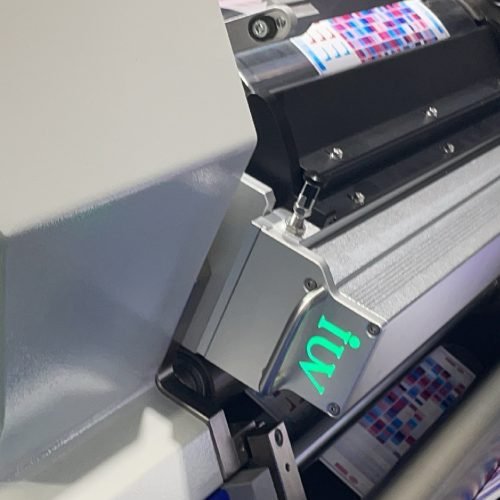
UV curing systems have revolutionized printing by replacing traditional drying methods with rapid, energy-efficient processes. Unlike solvent-based inks that rely on evaporation, UV-curable inks polymerize instantly when exposed to ultraviolet light. This chemical reaction creates a durable, cross-linked network that bonds tightly to substrates. The precision of LED UV lamps allows controlled curing, minimizing heat generation and preventing substrate warping—a critical advantage for heat-sensitive materials like films or thin papers.
Enhancing Adhesion Across Printing Methods
Adhesion determines how well ink adheres to a substrate, impacting scratch resistance and longevity. UV curing improves adhesion by ensuring complete ink polymerization. Incomplete curing—common with conventional methods—leaves weak molecular bonds. UV systems eliminate this risk, enabling inks to form robust connections with surfaces.
Label Printing
Pressure-sensitive labels demand high adhesion to withstand handling, moisture, and temperature changes. UV-cured inks penetrate porous surfaces and adhere to non-porous materials like synthetic films. This reduces peeling risks in beverage labels or industrial tags exposed to harsh conditions.
Flexographic Printing
Flexo printing uses flexible plates for high-speed production of packaging and corrugated materials. UV curing prevents ink spreading on fast-moving webs, maintaining sharp edges and vibrant colors. The instant cure locks pigments into place, enhancing opacity and reducing dot gain—a common issue in flexo printing.
Offset Lithography
In sheetfed offset printing, UV curing enables faster turnaround by eliminating drying delays. Inks cure immediately after transfer, preventing smudging during stacking or finishing. This is vital for rigid substrates like metalized boards or acrylics, where adhesion failures can ruin high-value products.
Narrow Web Printing
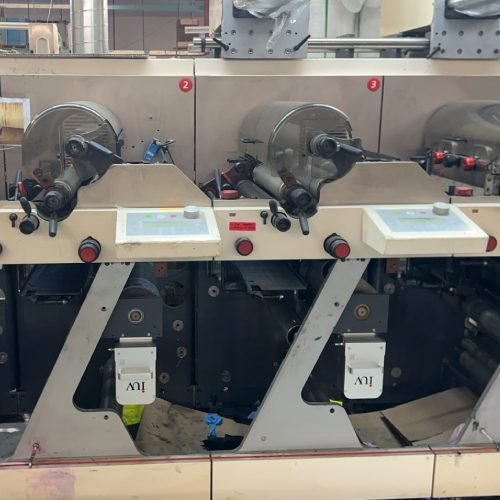
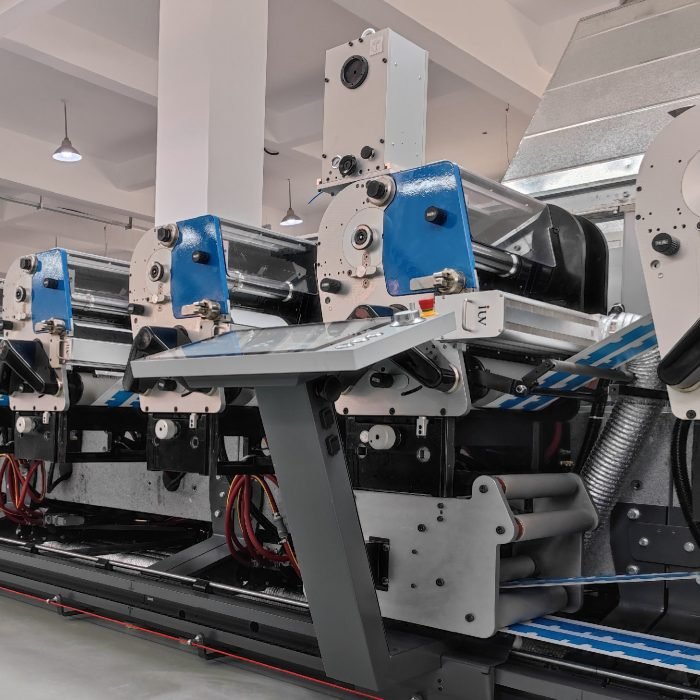
Narrow web presses handle short runs of labels, tags, and flexible packaging. UV systems allow quick job changes without compromising adhesion. Their compact design suits limited press space, while adjustable lamp intensity accommodates diverse substrates, from textured papers to glossy films.
Boosting Ink Durability Through Polymerization
Durability depends on the ink’s resistance to abrasion, chemicals, and UV light. Traditional inks degrade as solvents weaken the film over time. UV-cured inks, however, form a dense polymer matrix that resists environmental stressors.
Scratch and Abrasion Resistance
UV-cured prints withstand friction in applications like industrial parts marking or retail packaging. The fully cured surface lacks sticky residues, reducing scuffing during transport. For example, pharmaceutical blister packs retain legibility despite constant handling.
Chemical and Moisture Resistance
Household cleaners, oils, and alcohols degrade conventional inks. UV formulations resist such agents, making them ideal for automotive components or chemical product labels. Moisture resistance is equally critical for outdoor applications like agricultural tags or marine equipment labels.
UV Light Stability
Pigments in UV-cured inks resist fading caused by sunlight exposure. Unlike solvent-based inks, which oxidize over time, UV systems preserve color integrity for years. This is essential for retail signage or outdoor promotional materials requiring long-term vibrancy.
Optimizing Curing Conditions for Superior Results
Achieving peak adhesion and durability requires precise control over UV intensity, wavelength, and exposure time.
LED UV vs. Mercury Arc Lamps
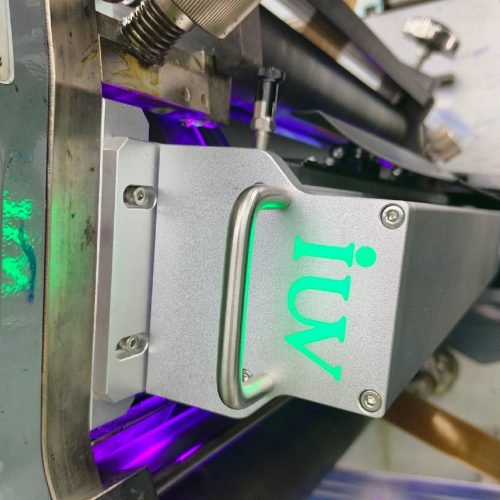
LED UV systems emit specific wavelengths (365-405 nm) that match photoinitiators in modern inks. This targeted approach reduces energy use by 70% compared to broad-spectrum mercury lamps. LEDs also eliminate ozone production and warm-up delays, supporting eco-friendly operations.
Substrate Compatibility
Adhesion performance varies by material. Porous substrates like uncoated paper absorb ink, requiring lower UV doses. Non-porous materials like polyethylene need surface treatments (e.g., corona or plasma) to improve ink anchorage. Testing cure settings ensures optimal results without overexposure.
Ink Formulation Synergy
UV inks contain oligomers, monomers, and photoinitiators tailored to specific applications. Flexible packaging inks prioritize adhesion and bend resistance, while rigid substrate inks focus on hardness. Partnering with ink suppliers ensures compatibility with your curing system and substrates.
Reducing Waste and Energy Consumption
UV curing aligns with sustainability goals by slashing waste and energy use. Instant curing eliminates solvent emissions, improving workplace air quality. Printers report 30-50% lower energy costs after switching to LED UV systems. Additionally, faster curing speeds reduce substrate waste from misregistration or drying errors.
Future Trends in UV Curing for Printing
Advancements in UV LED technology continue to expand application possibilities. Low-temperature curing systems now handle heat-sensitive bio-based films, while high-power LEDs accelerate production on wide-web presses. Hybrid systems combining UV and electron beam curing are emerging for specialized industrial uses.
Final Thoughts
Adopting UV curing systems elevates print quality while reducing operational costs. By ensuring complete ink polymerization, these systems deliver unmatched adhesion and durability across label, flexo, offset, and narrow web applications. As substrate diversity grows, UV technology remains a cornerstone for printers aiming to meet rigorous performance and sustainability standards.
- Surface Preparation: UV curing systems often include pre-treatment options like corona or plasma treatment. These treatments modify the substrate surface, increasing its surface energy and making it more receptive to inks and coatings.
- Cross-linking: The UV light triggers a rapid cross-linking reaction within the ink or coating. This creates a dense, interwoven network of molecules that strongly bond to the substrate.
- Minimized Migration: Rapid curing minimizes the migration of ink components into the substrate. This results in a cleaner, more consistent bond and reduces the risk of adhesion failure over time.
- Superior Bond Strength: The instant curing creates a very strong and durable bond between the ink/coating and the substrate. This is especially crucial for labels that need to withstand demanding environmental conditions.
- Scratch Resistance: The hardened finish is highly resistant to scratches and abrasions, ensuring that the printed image remains intact even under harsh handling.
- Chemical Resistance: UV-cured inks and coatings are resistant to a wide range of chemicals, including solvents, acids, and alkalis. This makes them ideal for applications where chemical exposure is a concern.
- Fade Resistance: UV curing provides excellent resistance to fading caused by sunlight or artificial light. This ensures that colors remain vibrant and true over time.
- Water Resistance: The cured surface becomes highly impermeable to water, protecting the printed image from moisture damage. This is critical for labels and packaging used in damp or humid environments.
- Energy Efficiency: LEDs consume significantly less energy than arc lamps, reducing operating costs and environmental impact.
- Longer Lifespan: LED lamps have a much longer lifespan than arc lamps, reducing maintenance and replacement costs.
- Instant On/Off: LEDs can be switched on and off instantly, eliminating the warm-up and cool-down periods associated with arc lamps.
- Precise Control: LED UV curing systems offer precise control over the intensity and wavelength of light, allowing for optimized curing of different inks and coatings.
- Reduced Heat Output: LEDs produce less heat than arc lamps, reducing the risk of substrate distortion or damage.
- Label Printing: Provides durable, vibrant labels that withstand harsh conditions.
- Flexographic Printing: Improves ink adhesion on flexible packaging materials, enhancing print quality.
- Offset Printing: Enables faster turnaround times and superior print quality on a variety of substrates.
- Narrow Web Printing: Ideal for short-run, high-quality labels and packaging with precise color control.
- Ink and Coating Selection: Choose UV-curable inks and coatings specifically formulated for your application.
- Equipment Compatibility: Ensure that your UV curing system is compatible with your printing press and the materials you are using.
- Process Optimization: Fine-tune the curing parameters, such as light intensity and exposure time, to achieve optimal results.
- Safety Precautions: Follow all safety guidelines when working with UV curing systems.