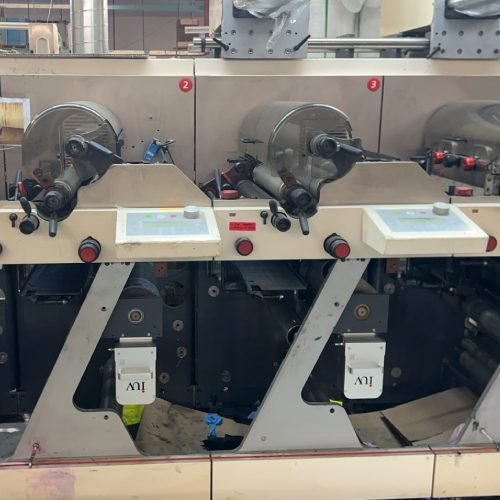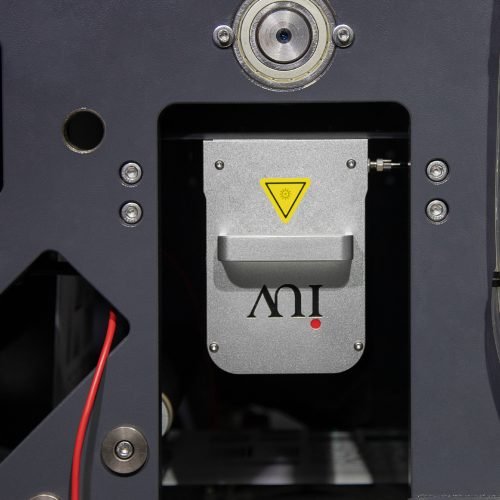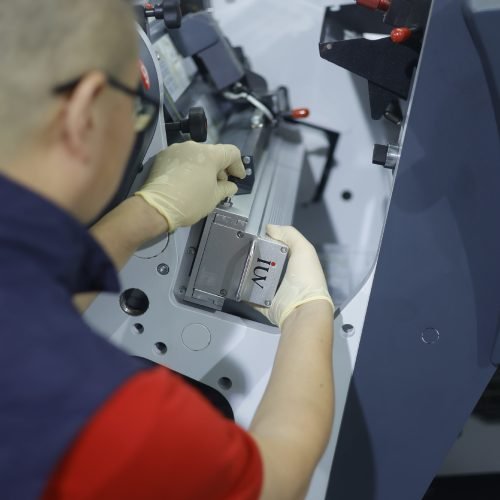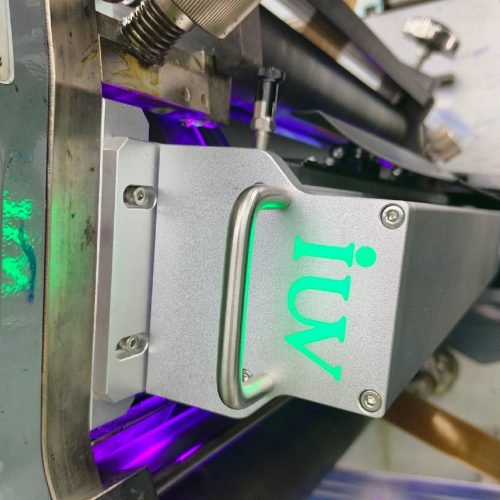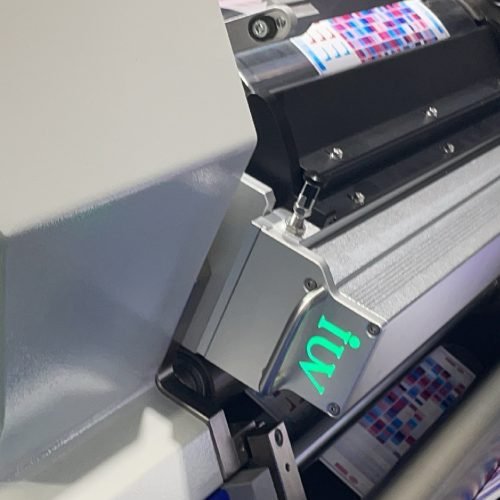
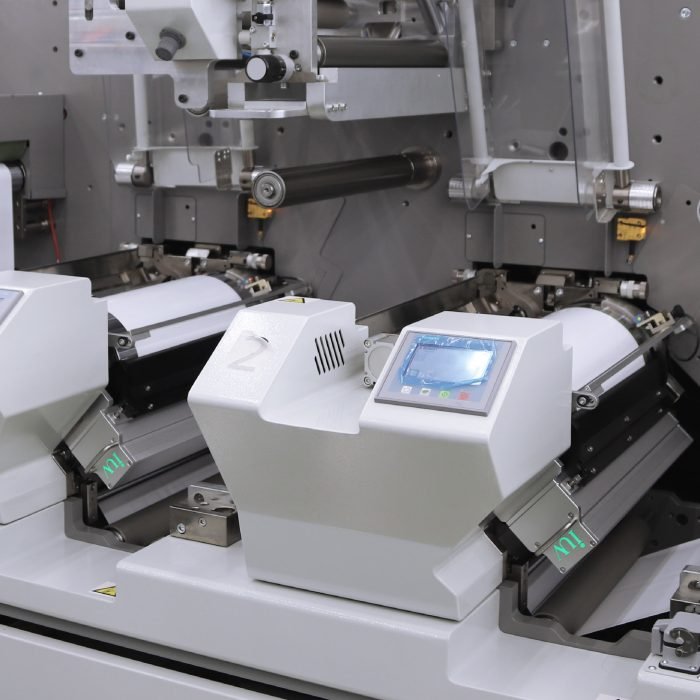
In the fast-paced world of commercial printing, every minute counts between jobs. UV LED curing systems have become game-changers for operations handling label production, flexographic workflows, offset jobs, and narrow web applications. Unlike traditional mercury-vapor lamps, these solid-state light sources eliminate warm-up delays while offering precision control that reshapes production economics.
The physics behind UV curing remains unchanged – photoinitiators in inks/coatings polymerize when exposed to specific wavelengths. Where LED systems differ lies in their on-demand operation. Traditional mercury lamps require 15-30 minutes to reach optimal temperatures, forcing technicians to either waste energy keeping lamps idling or delay job transitions. LED arrays achieve full-intensity output in under two seconds, effectively erasing this downtime penalty. For a label converter running 30 changeovers daily, this translates to recovering 7-8 hours weekly previously lost to equipment warm-up cycles.
Narrow web printers particularly benefit from LED adaptability. The directional nature of LED emissions allows precise optical tuning to match web widths from 10mm to 420mm without light spillage. This spectral control prevents over-curing of substrates while enabling faster belt speeds. A case study from a European packaging plant showed 22% faster line speeds after retrofitting with 395nm LED units optimized for their white ink formulations.
Flexographic operations gain dual advantages. First, LED systems generate minimal infrared radiation compared to conventional UV lamps, reducing film distortion on temperature-sensitive substrates like thin-gauge PE. Second, the instant on/off capability allows precise curing zone adjustments when switching between different repeat lengths. One Midwest converter reported reducing make-ready time for short-run flexible packaging jobs by 40% after implementing zoned LED arrays above their CI press.
Offset printers adopting UV LED technology discover unexpected benefits beyond faster job transitions. The cooler operating environment preserves plate integrity during long runs while allowing use of heat-sensitive specialty coatings. A commercial sheetfed operation in Texas documented 18% reduction in plate remakes after switching to LED curing, attributing this to eliminated thermal expansion issues during coating applications.
Three operational factors drive successful UV LED integration in job changeover scenarios:
- Spectral Matching: Aligning LED peak wavelengths (365nm, 385nm, 395nm, 405nm) with photoinitiator absorption curves cuts curing times while preventing under/over-exposure. Newer dual-wave systems allow single lamps to handle multiple ink systems.
- Modular Design: Scalable LED arrays let technicians enable/disable curing modules to match print widths, reducing energy waste during small-format jobs. Some advanced systems automatically adjust intensity based on line speed feedback from press drives.
- Maintenance Simplicity: With no bulbs to replace or reflectors to clean, LED systems slash between-job servicing. One label converter eliminated two full-time maintenance positions after converting their entire fleet to LED curing.
The operational flexibility extends beyond production floors. UV LED’s energy efficiency (typically 70% less power consumption than arc lamps) allows smaller generators for mobile printing units. Instant curing also enables inline quality control checks immediately after decoration – critical for pharmaceutical labels requiring 100% inspection.
Material science advancements continue pushing boundaries. New LED-optimized inks achieve full cure at intensities below 1W/cm², allowing lower-power systems for delicate substrates. Hybrid UV/EB systems now entering the market combine LED curing with electron beam crosslinking for specialty applications like heat-transfer labels.
As print buyers demand shorter runs and faster turnarounds, UV LED technology provides the thermal and temporal control needed to profitably meet these expectations. The elimination of mercury also future-proofs operations against increasing environmental regulations – a bonus for converters targeting eco-conscious brands.
The transition requires upfront planning. Successful adopters audit their complete workflow – from ink shelf life to substrate handling – rather than viewing curing as an isolated component. Proper heat sinking, voltage regulation, and optical maintenance ensure consistent performance across job changes. With strategic implementation, UV LED systems become the silent workhorse driving leaner, more responsive print operations.