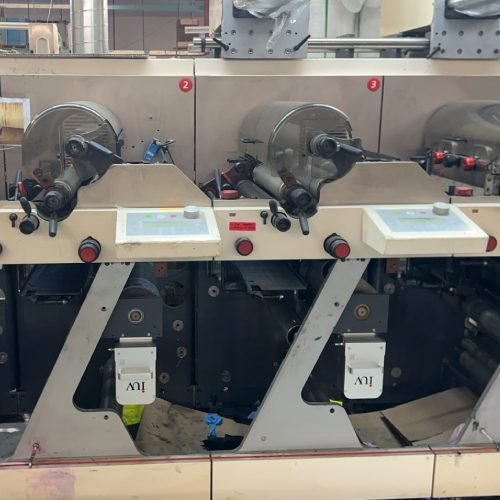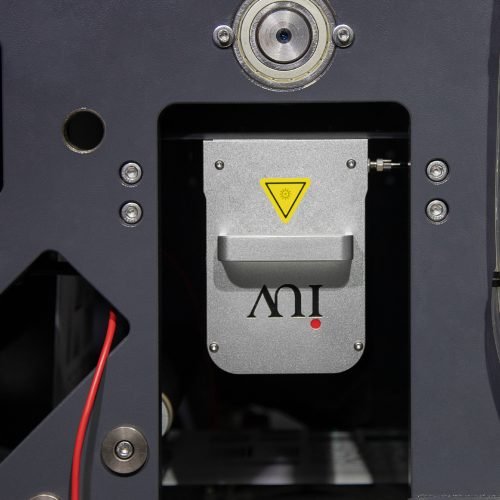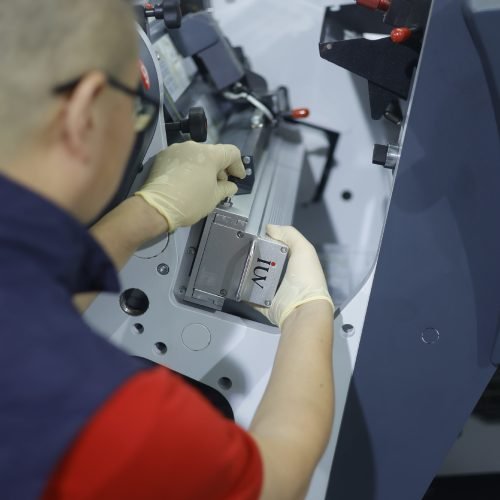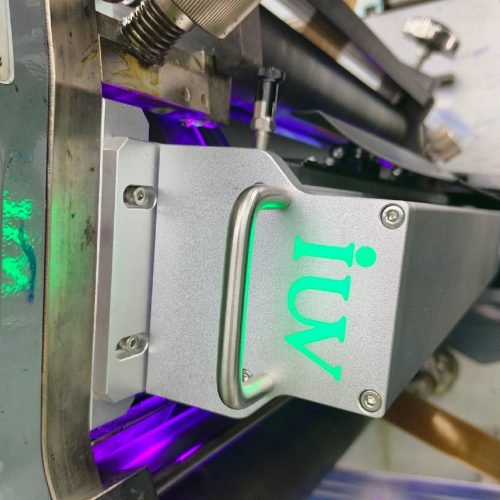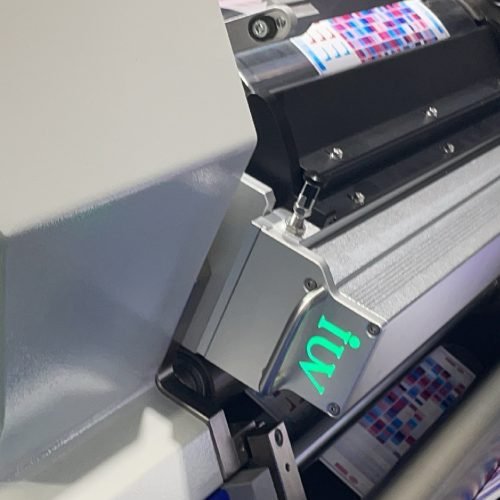
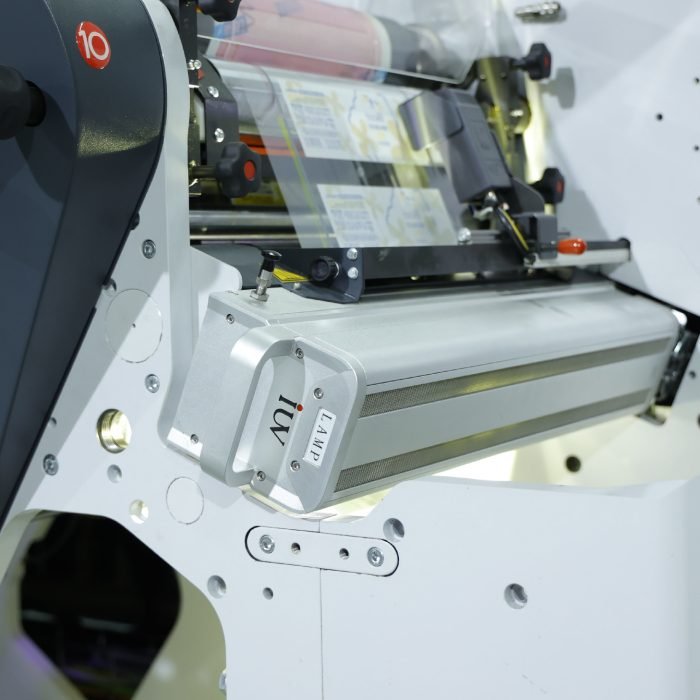
The quest for enhanced print durability is a constant challenge in the demanding world of label and packaging printing. Achieving robust, long-lasting prints that withstand environmental factors, physical abrasion, and chemical exposure is paramount for brand integrity and product longevity. Traditional curing methods have limitations, but the advent of precision-controlled LED UV curing systems is revolutionizing how we achieve superior print durability, particularly in narrow web, flexographic, and offset printing applications.
The Imperative of Print Durability
In label printing, durability isn’t just a bonus; it’s a necessity. Labels are often the first point of contact a consumer has with a product, and their appearance can significantly influence purchasing decisions. Moreover, labels are subjected to a harsh life cycle. Think of food labels exposed to refrigeration, cleaning agents, or even direct sunlight. Consider industrial labels that endure extreme temperatures, oils, and constant handling. In these scenarios, print that fades, scratches, or delaminates quickly is not just an aesthetic issue, it’s a functional failure.
Flexographic and offset printing, workhorses of the narrow web label industry, rely on ink transfer and curing to achieve the final print. While these methods are highly efficient, the curing stage is critical for locking in ink properties, including its resistance to various forms of degradation. Weak or incomplete curing leaves the ink vulnerable, diminishing the overall durability of the printed product.
Understanding UV Curing: A Foundational Step
Ultraviolet (UV) curing is a photochemical process that uses UV light to initiate a rapid polymerization reaction, transforming a liquid ink or coating into a solid, durable film. This process relies on photoinitiators within the ink formulation, which absorb UV energy and trigger the cross-linking of monomers and oligomers. The result is a cured film with enhanced physical and chemical resistance properties compared to conventional air-dried inks.
Traditionally, mercury vapor lamps have been the dominant UV light source. While effective, these lamps have several drawbacks: they emit a broad spectrum of light, including heat-generating infrared radiation, leading to substrate distortion and increased energy consumption. Furthermore, their output degrades over time, requiring frequent replacement and leading to inconsistent curing performance.
The Precision Advantage: LED UV Curing Systems
This is where LED UV curing systems emerge as a transformative technology. Unlike mercury lamps, Light Emitting Diodes (LEDs) emit UV light at specific, narrow wavelengths. This precision offers several key advantages for improving print durability:
- Controlled Wavelengths: LED systems can be configured to emit UV light at optimal wavelengths that precisely match the absorption spectra of the photoinitiators in UV-curable inks and coatings. This targeted energy delivery ensures more efficient and complete curing, leading to a more robust and durable final print. Inks formulated for specific LED wavelengths can achieve higher cross-linking densities, directly translating to better scratch resistance, chemical resistance, and overall adhesion.
- Uniform Energy Distribution: Modern LED UV curing systems are designed for exceptional uniformity across the printed width. This consistent energy output prevents “hot spots” and under-cured areas, ensuring that every part of the label or print receives the optimal UV dose. This uniformity is critical for achieving consistent durability across the entire printed run, eliminating variations that can lead to premature print failure in certain areas.
- Precise Intensity Control: The intensity of UV light can be precisely controlled with LED systems. This allows printers to fine-tune the curing process based on the specific ink formulation, substrate type, and desired level of durability. For delicate substrates or heat-sensitive inks, lower intensities can be used, while higher intensities can be employed for maximum curing speed and hardness. This level of control is invaluable for optimizing durability without compromising other print characteristics.
- Lower Heat Output: LEDs generate significantly less heat compared to mercury lamps. This is crucial for printing on heat-sensitive substrates commonly used in narrow web label applications, such as thin films and certain papers. Reduced heat minimizes the risk of substrate shrinkage, warping, or delamination, all of which can negatively impact the final print’s integrity and durability. A stable substrate ensures a more consistent ink laydown and curing process.
Impact on Narrow Web, Flexo, and Offset Printing
The integration of precision-controlled LED UV curing systems offers tangible benefits across different printing processes within the narrow web sector:
For Narrow Web Label Printing:
The narrow web format often involves high-speed printing and a diverse range of substrates. LED UV curing’s ability to deliver consistent, controlled energy at high speeds is a perfect match. It allows for faster processing speeds without sacrificing cure quality, directly impacting throughput and profitability. Furthermore, the precise wavelength control enables the use of specialized inks designed for maximum durability on challenging materials like polyethylene (PE) and polypropylene (PP) films, which are prevalent in the label market. This ensures that labels designed for harsh environments, such as automotive or outdoor applications, will maintain their legibility and integrity.
For Flexographic Printing:
Flexography, especially in narrow web applications, requires inks that cure quickly and completely to avoid ink transfer or smudging. LED UV systems provide the rapid and efficient curing needed for high-speed flexo presses. The precise control over UV output allows for the development of specialized flexo inks with enhanced abrasion and chemical resistance, crucial for prime labels on consumer goods that might be handled frequently or exposed to household cleaners. The consistent curing also contributes to better ink adhesion to a wider variety of anilox rolls and printing plates, leading to a more consistent print quality and durability.
For Offset Printing (Narrow Web):
While offset printing is often associated with sheetfed applications, narrow web offset is used for high-quality labels and packaging. Offset inks traditionally require longer drying times. LED UV curing dramatically accelerates this process, enabling the immediate handling and finishing of printed materials. The precise energy control ensures that even in the fine dot reproduction typical of offset printing, the ink is fully cured, leading to sharp, durable images that resist scratching and fading. This is particularly important for brand colors and intricate graphics that need to remain vibrant and clear over time.
Beyond Ink: UV Coatings for Enhanced Durability
The impact of LED UV curing extends beyond just the inks. UV-curable coatings, applied as a clear layer over the printed image, offer an additional, significant boost to durability. Precision-controlled LED UV systems are instrumental in achieving the full potential of these coatings:
- Scratch and Abrasion Resistance: High-gloss or matte UV coatings cured with optimal LED energy create a hard, protective surface that shields the underlying ink from scratches and scuffs. This is vital for labels on high-friction surfaces or those that undergo significant handling.
- Chemical and Stain Resistance: Specialized UV coatings can provide excellent resistance to a wide array of chemicals, oils, and solvents. This is critical for labels used in industrial settings, on cleaning products, or in food processing environments where exposure to cleaning agents or food substances is common.
- Weatherability: For outdoor applications or products exposed to sunlight, UV-curable coatings can offer enhanced resistance to UV degradation and fading, ensuring the print remains legible and visually appealing for extended periods.
The precise control offered by LED systems ensures that these coatings are fully cross-linked, creating a seamless, protective barrier that maximizes their intended protective properties. Inconsistent curing, whether from a failing mercury lamp or improper LED setup, can result in a coating that is brittle, easily scratched, or offers poor chemical protection, negating its purpose.
Formulating for LED UV Curing Success
The synergy between LED UV curing systems and ink/coating formulations is key. Ink manufacturers are developing advanced UV-curable inks specifically optimized for LED curing. These formulations often feature:
- Narrow-band photoinitiators: These initiators are designed to absorb UV light most effectively at the specific wavelengths emitted by LED lamps (e.g., 365 nm, 385 nm, 395 nm, 405 nm). This targeted absorption leads to more efficient radical generation and polymerization.
- Low-migration characteristics: Especially important for food packaging, formulations are developed to minimize the migration of uncured components from the printed material to the foodstuff. Precise curing is essential for achieving effective low-migration properties.
- Specialty pigments and additives: These can enhance color vibrancy, gloss, matte effects, and tactile properties, while still being compatible with LED UV curing processes.
Printers working with LED UV systems need to collaborate closely with their ink suppliers to select formulations that are precisely matched to their specific LED curing equipment and application requirements. This ensures that the full potential for enhanced durability is realized.
Conclusion: The Future of Durable Printing
Precision-controlled LED UV curing systems represent a significant advancement in print technology, offering unparalleled control and efficiency. For narrow web, flexographic, and offset printing, this technology translates directly into improved print durability, enabling printers to meet the increasingly stringent demands of brand owners and end-users. By providing targeted energy, uniform coverage, and precise intensity control, LED UV curing systems ensure that inks and coatings achieve optimal polymerization, resulting in prints that are more resistant to scratching, chemicals, fading, and general wear and tear. As the industry continues to evolve, the adoption of LED UV curing will undoubtedly be a cornerstone in achieving the highest standards of print quality and longevity.