Understanding LED UV Curing in Modern Printing
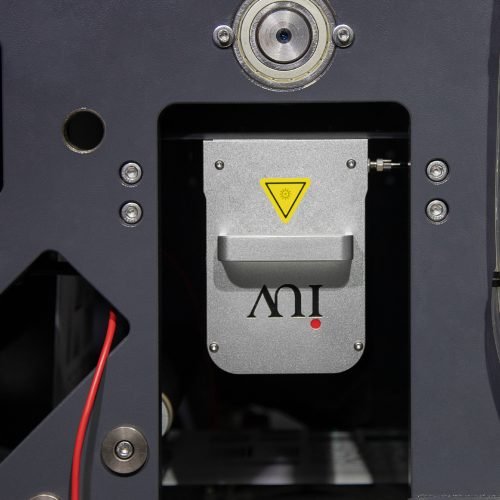
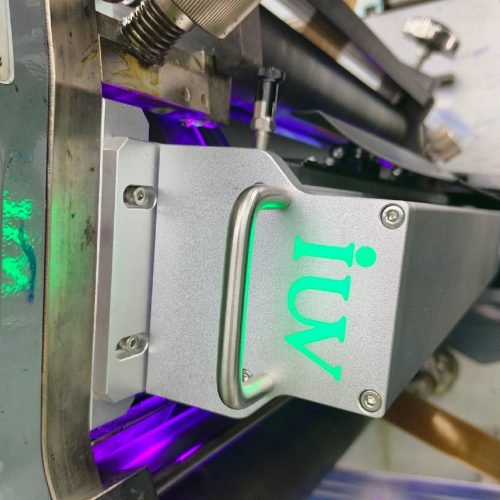
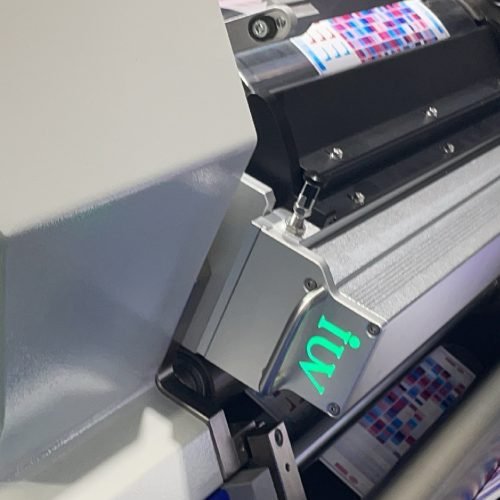
LED UV curing has transformed printing by offering energy-efficient, instant-drying solutions. Unlike traditional mercury-based systems, LED technology emits specific wavelengths to trigger photopolymerization in inks and coatings. This process eliminates volatile organic compounds (VOCs), reduces heat generation, and accelerates production speeds. For printers adopting sustainable practices, LED curing minimizes environmental impact while maintaining high print quality.
Why LED Curing Fits Label Printing Workflows
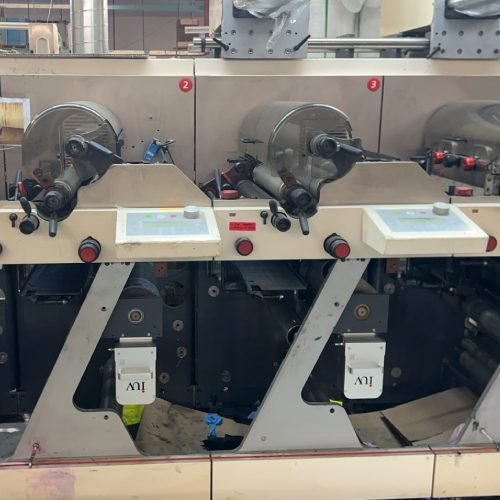
Label printers demand precision, speed, and durability. LED UV systems excel in these areas by curing inks instantly, preventing smudging on delicate substrates like synthetic films or glossy papers. Narrow-web label presses benefit from LED’s compact design, which simplifies integration into existing setups. Additionally, LED lamps operate at lower temperatures, reducing the risk of substrate distortion—a critical advantage for heat-sensitive materials.
Flexographic Printing: Efficiency Meets Performance
Flexo printers rely on fast-drying inks to maintain high throughput. LED curing enhances this process by enabling rapid ink fixation without compromising color vibrancy. The technology’s ability to cure thick ink layers uniformly ensures consistent print quality, even on textured surfaces. LED systems also reduce downtime associated with mercury lamp replacements, offering a lifespan exceeding 20,000 hours. For flexible packaging and corrugated board applications, this reliability translates to lower operational costs.
Offset Printing’s Shift to Sustainable Curing
Offset printers transitioning to LED UV curing gain a competitive edge in eco-conscious markets. LED-compatible offset inks cure immediately under UV light, eliminating the need for spray powders or extended drying racks. This results in sharper dot reproduction and reduced paper waste. Sheetfed offset presses, in particular, see improved productivity as finished sheets can be processed immediately. The absence of ozone emissions further aligns with workplace safety regulations.
Narrow-Web Printing: Speed and Versatility
Narrow-web printers handling short runs and variable designs require adaptable curing solutions. LED systems provide instant on/off capabilities, allowing precise energy use during job changes or pauses. This feature is invaluable for hybrid presses combining flexo, digital, and screen printing. LED’s focused UV output also minimizes stray light, reducing the risk of unintended curing in intricate multi-color jobs. For shrink sleeves and tamper-evident labels, consistent curing ensures adhesion and durability.
Key Technical Considerations for Integration
- Substrate Compatibility: Test materials for UV transparency and heat sensitivity. Opaque or highly reflective substrates may require adjusted LED intensities.
- Ink Formulation: Partner with suppliers offering LED-specific inks. Photoinitiators must align with the LED’s wavelength (typically 365-405 nm).
- Power Requirements: Assess electrical infrastructure—high-power LEDs may demand dedicated circuits.
- Cooling Systems: Active air or water cooling maintains optimal LED performance, especially in high-speed environments.
Overcoming Common Integration Challenges
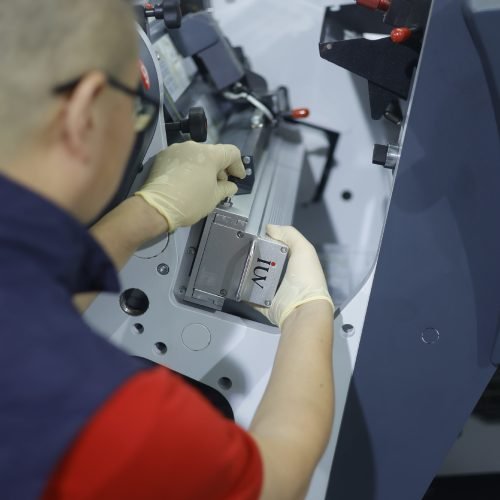
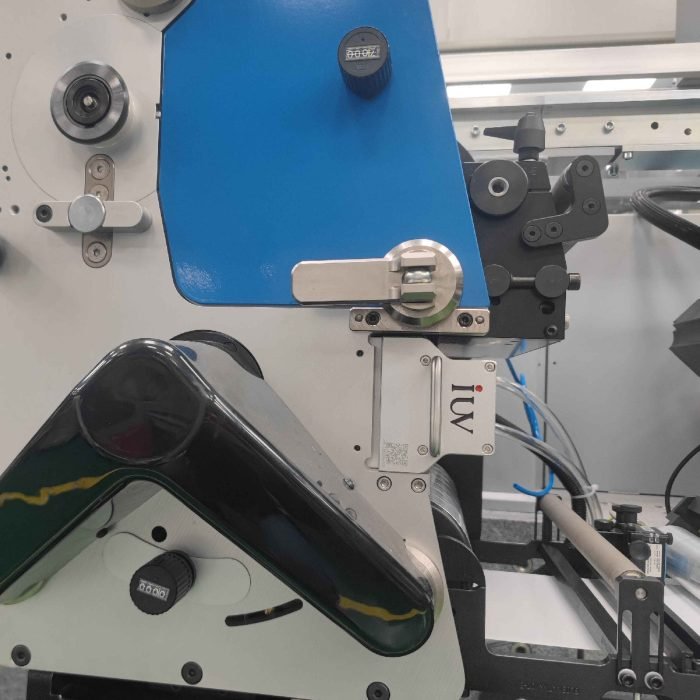
Retrofitting older presses with LED systems requires careful planning. Ensure proper alignment between LED lamps and print units to avoid shadowing. For rotary presses, consider modular LED arrays that match cylinder widths. Dust accumulation on lenses can reduce curing efficiency; implement routine cleaning protocols. Collaborate with manufacturers to customize spectral outputs for specialty inks like white or metallic tones.
Cost-Benefit Analysis for Printers
While LED curing systems have higher upfront costs than traditional setups, long-term savings justify the investment. Energy consumption drops by up to 70%, and mercury-free designs eliminate hazardous waste disposal fees. Reduced heat output lowers HVAC expenses, and extended lamp life slashes maintenance budgets. For printers pursuing certifications like FSC or ISO 14001, LED technology supports sustainability goals.
Future Trends in LED Curing Technology
Advancements in UV-A and UV-C LEDs promise deeper curing for opaque inks and 3D textures. Smart sensors integrated with LED systems will enable real-time intensity adjustments based on substrate speed or ink density. As regulatory pressure against mercury-based lamps grows, LED adoption will become industry-standard. Printers investing now position themselves as innovators, ready to meet evolving client demands for eco-friendly, high-quality output.
Final Recommendations for Printers
Evaluate current workflows to identify bottlenecks addressable by LED curing. Prioritize suppliers offering robust technical support and warranty terms. Pilot-test systems with diverse substrates and ink types before full-scale adoption. Train staff on safety protocols, particularly regarding UV exposure management. By strategically integrating LED UV curing, printers achieve faster turnaround, superior print quality, and a smaller environmental footprint—keys to thriving in a competitive market.