Understanding LED Curing Systems in Narrow Web Printing
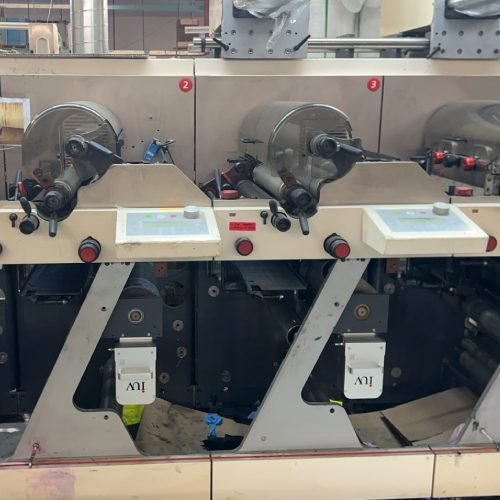
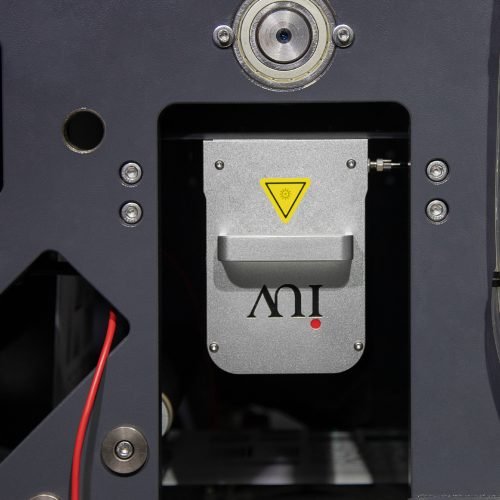
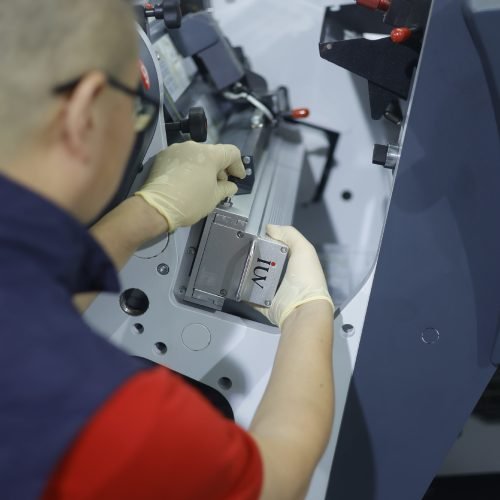
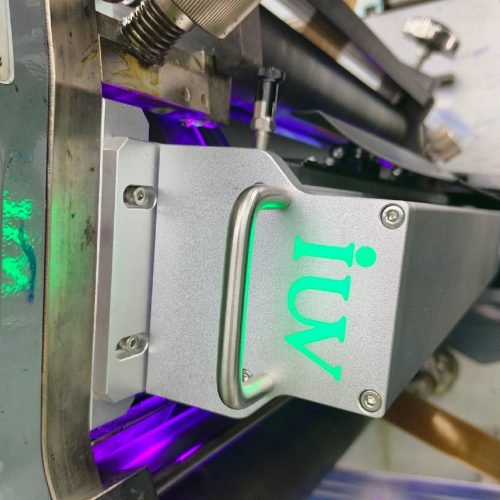
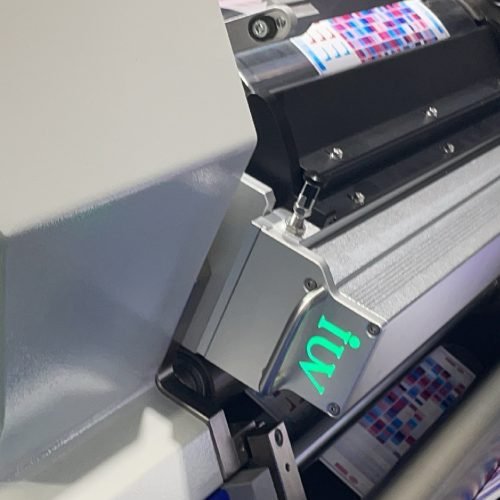
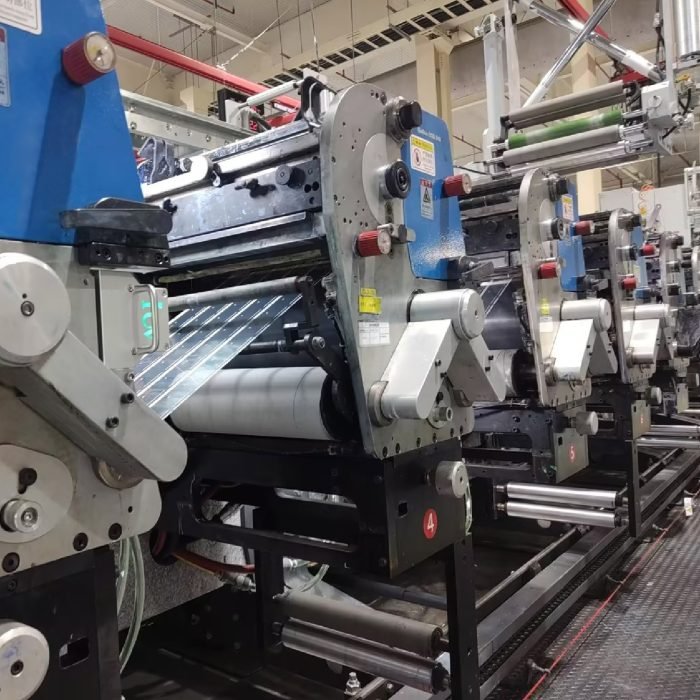
Narrow web printing, a method widely used for labels, flexible packaging, and short-run applications, demands precision and efficiency. LED curing systems have emerged as a game-changer, replacing traditional mercury-based UV lamps with energy-efficient, eco-friendly alternatives. These systems use light-emitting diodes (LEDs) to instantly cure inks, coatings, and adhesives, ensuring faster production speeds and reduced downtime.
Why LED UV Curing Outperforms Conventional Methods
Traditional UV curing relies on mercury vapor lamps, which generate heat, consume more energy, and require frequent maintenance. LED systems eliminate these drawbacks by operating at lower temperatures, reducing substrate warping, and extending equipment lifespan. They also emit targeted wavelengths (typically 365-405 nm), optimizing cure performance for specific chemistries. With instant on/off capabilities, LED curing minimizes energy waste and supports sustainable practices—a critical advantage in industries prioritizing environmental compliance.
Applications in Label Printing
Label printers face tight deadlines and high-quality expectations. LED curing ensures rapid ink polymerization, even on heat-sensitive materials like thin films or pressure-sensitive labels. This technology prevents color distortion and maintains sharp graphics, crucial for branding consistency. Additionally, LED systems enable the use of low-migration inks, meeting strict safety standards for food and pharmaceutical packaging.
Enhancing Flexographic Printing Efficiency
Flexo printing, popular for its versatility in handling substrates like paper, film, and foil, benefits significantly from LED curing. The instant curing process reduces ink spreading, enhancing print clarity and color vibrancy. LED systems also allow for higher line speeds without compromising adhesion or scratch resistance. For printers using water-based or solvent-free inks, LEDs provide a cleaner curing method, eliminating volatile organic compound (VOC) emissions.
Offset Printing: Precision Meets Sustainability
In sheet-fed and web offset printing, LED curing supports high-resolution outputs with minimal dot gain. The controlled UV output ensures even curing across large print areas, reducing waste from incomplete reactions. Printers adopting LED technology report lower energy bills and reduced carbon footprints, aligning with global sustainability initiatives. Moreover, the absence of ozone emissions creates safer working environments for press operators.
Key Advantages of LED Curing in Narrow Web Presses
- Energy Efficiency: LEDs consume up to 70% less energy than mercury lamps.
- Longevity: LED arrays last 20,000 hours, reducing replacement costs.
- Compact Design: Their smaller footprint suits space-constrained narrow web presses.
- Material Compatibility: Works with heat-sensitive substrates like PET, PVC, and shrink sleeves.
- Regulatory Compliance: Meets REACH and RoHS standards, avoiding hazardous mercury disposal.
Optimizing Curing Parameters for Superior Results
To maximize LED curing performance, printers must align wavelength settings with ink formulations. Most UV-curable inks require 395 nm LEDs, but specialty coatings may need tailored spectra. Proper irradiance (UV intensity) and exposure time ensure complete cross-linking, preventing tackiness or delamination. Regular maintenance, including lens cleaning and cooling system checks, maintains consistent output.
Overcoming Common Challenges
While LED curing offers numerous benefits, improper integration can lead to issues like incomplete curing or adhesion failure. Conduct compatibility tests with ink suppliers to verify formulation responsiveness. Ensure adequate cooling to prevent LED degradation from overheating. For hybrid printing setups combining LED and conventional UV, synchronize curing stages to avoid interference.
Future Trends in LED UV Technology
Advancements in LED diode efficiency and spectral range are expanding applications. Dual-wavelength systems (e.g., 385 405 nm) now cure thicker coatings and opaque inks. IoT-enabled curing units with real-time monitoring allow predictive maintenance, minimizing unplanned stoppages. As regulatory pressures mount, LED systems will become indispensable for printers aiming to balance productivity with ecological responsibility.
Selecting the Right LED Curing System
Evaluate press specifications, substrate types, and production volumes when choosing a system. Modular designs offer scalability for future upgrades. Partner with manufacturers providing technical support and wavelength customization. Prioritize systems with uniform UV distribution to eliminate curing inconsistencies across web widths.
Conclusion
LED curing systems redefine narrow web printing by merging speed, quality, and sustainability. From label presses to flexo and offset applications, this technology addresses evolving industry demands while cutting operational costs. By understanding its capabilities and optimizing implementation, printers can achieve faster turnaround times, superior print quality, and a greener workflow. Stay ahead in competitive markets by adopting LED UV curing solutions tailored to your production needs.