Achieving Complete Cure in Multi-Layer Flexo Printing with LED Systems
Printing multi-layer labels and flexible packaging using flexography presents unique challenges. Ensuring each layer of ink or coating cures effectively is paramount for product performance and visual appeal. This is where advanced LED UV curing systems shine. They offer a precise and efficient way to achieve full cure, even through multiple ink layers.
The Flexographic Printing Process and Curing Needs
Flexography is a popular printing method for labels and packaging. It uses flexible relief plates to transfer ink to the substrate. Often, multiple colors or functional coatings are applied in sequence on a single pass. This is known as multi-layer printing. Each layer needs to be cured before the next is applied. If the ink isn’t fully cured, it can lead to issues like poor adhesion, ink rub-off, and reduced resistance to chemicals or abrasion.
Traditional Curing Methods and Their Limitations
Historically, mercury vapor lamps were the standard for UV curing in flexo printing. These lamps emit a broad spectrum of UV light. While effective, they have drawbacks. They generate significant heat, which can stress heat-sensitive substrates. They also have a limited lifespan and require frequent replacement. Furthermore, their broad spectrum might not be perfectly optimized for all UV-curable inks. Achieving a complete cure through multiple ink layers could be particularly difficult with older mercury lamp technology.
The Rise of LED UV Curing Technology
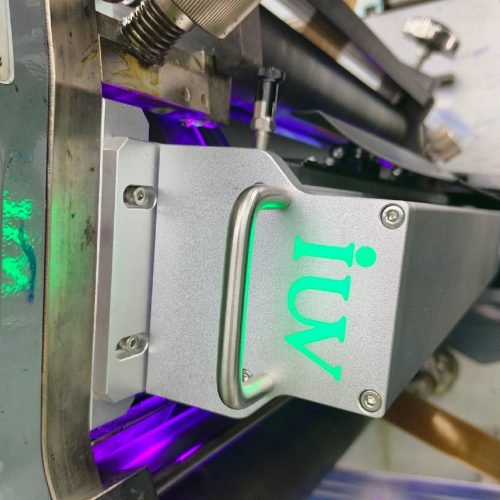
Light Emitting Diode (LED) UV curing technology has revolutionized the printing industry. LEDs emit UV light at specific wavelengths. This precise control allows for highly efficient energy transfer to the photoinitiators in UV-curable inks and coatings. The energy is focused where it’s needed most, leading to faster and more thorough curing.
Advantages of LED Curing in Multi-Layer Printing
For multi-layer flexo printing, LED UV curing offers several key advantages:
- Targeted Wavelengths: LED systems can be designed to emit specific wavelengths (e.g., 365 nm, 395 nm) that precisely match the absorption spectra of the photoinitiators in the inks. This ensures optimal energy absorption and efficient polymerization for each layer.
- Reduced Heat Generation: LEDs produce much less infrared radiation (heat) compared to mercury lamps. This is crucial when printing on thin or heat-sensitive films, preventing distortion or damage to the substrate.
- Instant On/Off: LEDs switch on and off instantly. This allows for precise control of curing during the printing process and reduces energy consumption when not needed.
- Longer Lifespan: LED lamps have a significantly longer operational lifespan than mercury lamps. This reduces downtime for replacements and lowers overall maintenance costs.
- Uniform Curing: Modern LED systems provide uniform UV irradiance across the entire web width. This consistent energy delivery is vital for achieving even cure on every printed area, especially in multi-layer applications where variations can be magnified.
- Improved Adhesion and Durability: By ensuring full cure of each ink layer, LED systems promote better adhesion between layers and to the substrate. This results in more durable, scratch-resistant, and chemically resistant finished products.
Ensuring Full Cure Through Ink Layers
The challenge in multi-layer flexo printing is that the upper ink layers can absorb or scatter the UV light intended for the lower layers. This is where understanding ink formulation and LED system capabilities becomes critical.
- Ink Formulation: UV-curable inks contain photoinitiators that absorb UV light and trigger polymerization. For multi-layer printing, it’s often beneficial to use inks formulated with photoinitiators sensitive to the specific wavelengths emitted by the LED lamps. Some inks might be designed for broad-spectrum curing, while others are optimized for specific LED outputs.
- Layer Thickness: The thickness of each ink layer plays a role. Thicker layers require more energy to achieve full cure. LED systems with higher power output and optimized wavelength selection can deliver the necessary energy penetration.
- LED Power Density (Irradiance): The irradiance of the LED system, measured in Watts per square centimeter (W/cm²), determines how much UV energy is delivered to the ink. Higher irradiance can lead to faster curing and better penetration.
- Dose (Energy Density): The total UV energy delivered to the ink is the product of irradiance and exposure time (Joules per square centimeter, J/cm²). For multi-layer printing, ensuring sufficient dose for each layer is key. This might involve using multiple LED curing stations or optimizing the speed of the printing press.
- Wavelength Matching: The most critical factor for curing through multiple layers is matching the LED’s emission wavelength to the photoinitiators in the inks. If the photoinitiators in the lower layers are sensitive to a particular wavelength, and the upper ink layers are transparent to that wavelength, then the UV energy can reach and cure the lower layers effectively.
Narrow Web Flexo Printing and LED Curing
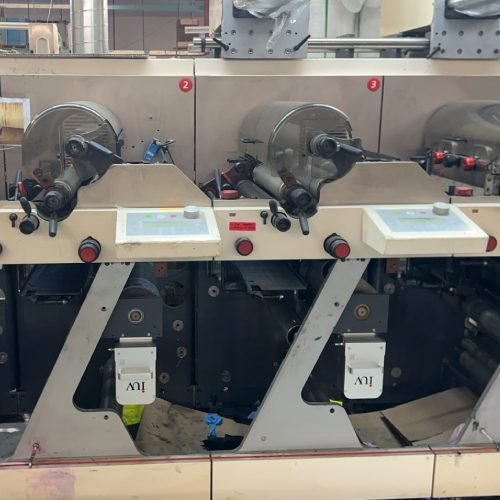
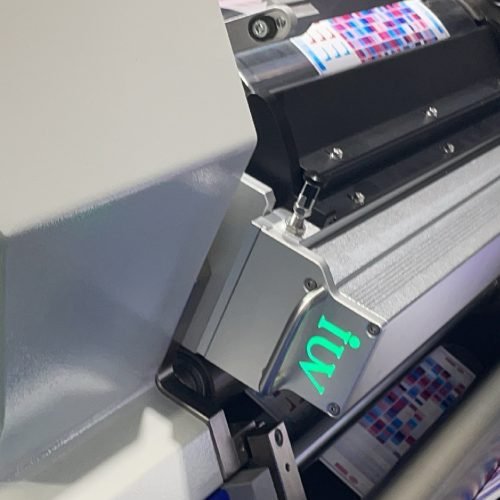
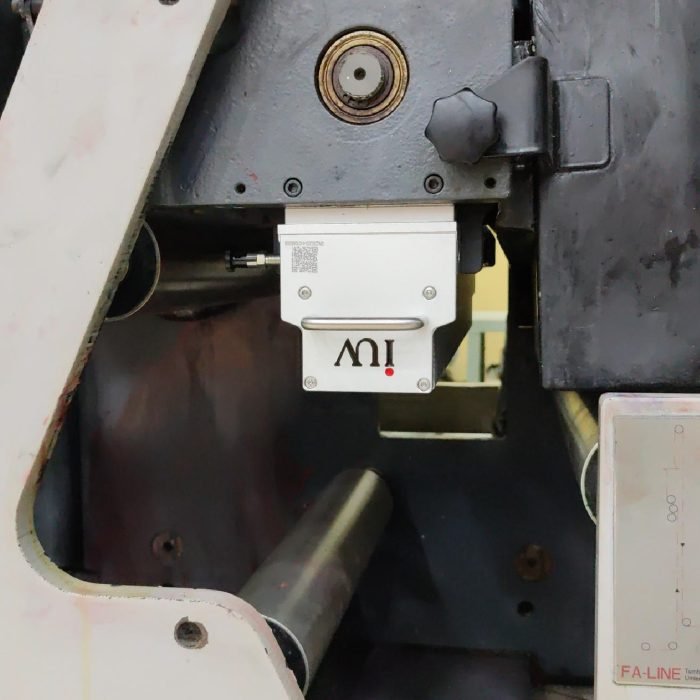
Narrow web flexo printing, commonly used for labels and small packaging, benefits immensely from LED UV curing. The compact nature of LED systems allows for easy integration into existing narrow web presses. Their energy efficiency and long lifespan translate to significant operational cost savings in this high-volume printing segment. The ability to achieve high-quality, durable prints quickly is essential for the competitive label market.
Choosing the Right LED Curing System
When selecting an LED curing system for multi-layer flexo printing, consider:
- Wavelength Options: Ensure the system offers wavelengths suitable for your specific ink formulations.
- Power Output: Match the power output to the demands of your printing speed and layer thicknesses.
- Uniformity: Look for systems known for consistent irradiance across the web.
- Cooling System: While LEDs are cooler, an effective cooling system is still necessary for optimal performance and longevity.
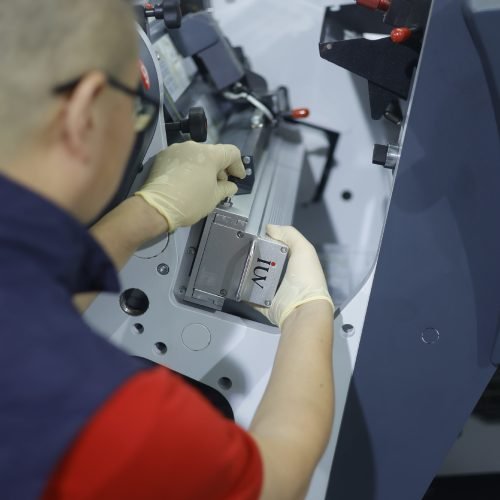
- Integration: The system should be easily integrated into your flexographic press.
The Future of Flexo Printing with Advanced Curing
LED UV curing technology is continuously evolving. Newer systems offer even higher power densities and more precise wavelength control. This advancement will further enhance the capabilities of flexographic printing for complex multi-layer applications. As the demand for high-performance, sustainable packaging grows, LED curing systems will play an even more critical role. They enable printers to produce vibrant, durable, and functional labels and packaging efficiently and with a reduced environmental footprint. Achieving complete cure through every layer is no longer a significant hurdle.