Achieving Food and Beverage Label Compliance with Advanced LED UV Curing
Navigating the complex world of food and beverage labeling requires precision, safety, and efficiency. Ensuring your labels meet stringent compliance standards is paramount. This is where modern printing technologies, especially LED UV curing, play a critical role. For businesses in this sector, understanding how these solutions enhance label production is key.
The Evolving Demands of Food and Beverage Labeling
The food and beverage industry faces constant pressure to innovate while adhering to strict regulations. Labels are more than just branding; they are vital communication tools. They convey essential information about ingredients, nutritional content, allergens, and safety instructions. Furthermore, consumer expectations for visually appealing and durable labels are continually rising. This creates a demanding environment for label printers.
Why Traditional Curing Methods Fall Short
Historically, various curing methods have been employed in label printing. Heatset and conventional UV curing offered solutions, but they came with limitations. Heatset inks require significant energy for drying and can lead to substrate distortion. Conventional UV curing uses mercury-based lamps that emit heat and ozone, posing environmental and operational challenges. These older technologies often struggle to meet the speed, energy efficiency, and safety requirements of modern production.
Introducing LED UV Curing: A Game Changer
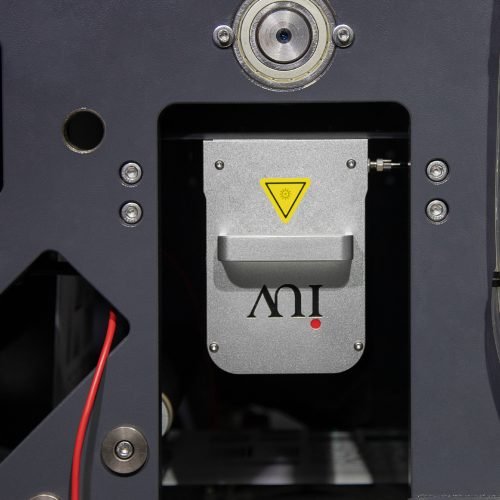
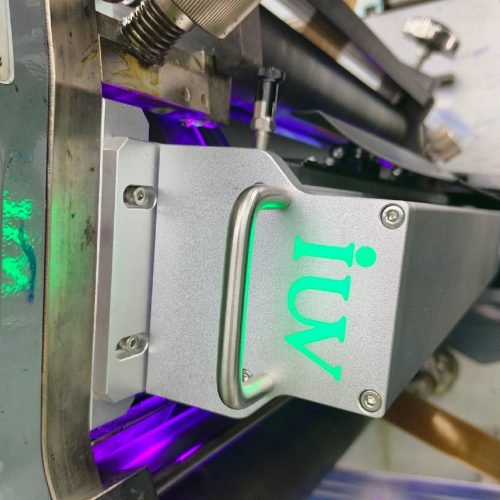
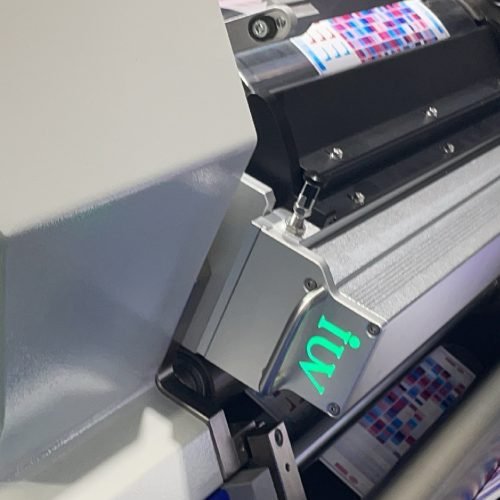
LED UV curing technology represents a significant leap forward. Unlike traditional mercury lamps, Light Emitting Diodes (LEDs) emit UV light at specific wavelengths. This focused energy is highly efficient in initiating the polymerization process of UV-curable inks, coatings, and adhesives. The result is a near-instantaneous cure, creating durable, high-quality labels.
Benefits of LED UV Curing for Label Compliance
The advantages of LED UV curing directly address the needs of food and beverage label compliance.
- Low Migration: A primary concern in food packaging is ink migration. LED UV systems typically use inks and coatings formulated for low migration. The precise control over curing ensures that the inks are fully cross-linked, minimizing the potential for components to transfer to food products. This is crucial for meeting safety standards like those set by the European Printing Ink Association (EriPlates).
- Energy Efficiency: LED UV lamps consume significantly less energy than their mercury lamp counterparts. This translates to lower operational costs and a reduced carbon footprint, aligning with sustainability goals that are increasingly important in the food and beverage sector.
- Reduced Heat: LED UV systems generate minimal heat. This is a significant advantage when printing on heat-sensitive substrates like thin films and certain papers commonly used for food labels. It prevents label deformation and preserves the integrity of the material.
- Instant Cure: The rapid curing capability of LED UV allows for faster printing speeds. This boosts productivity without compromising on quality. High-speed presses can operate at their full potential, meeting demanding production schedules.
- Durability and Resistance: LED UV cured inks and coatings offer excellent resistance to abrasion, chemicals, and moisture. This ensures that labels remain intact and legible throughout the product’s shelf life, even under challenging storage and transport conditions. This robustness is vital for maintaining compliance information.
LED UV in Different Printing Processes
LED UV curing solutions are versatile and integrate seamlessly with various printing methods popular in narrow web label production.
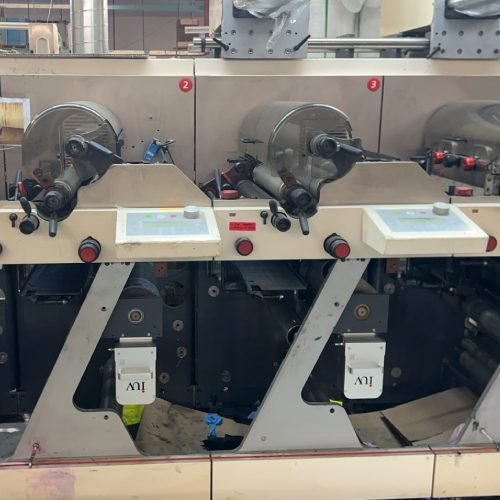
- Flexographic Printing (Flexo): Flexography is a workhorse for label printing. LED UV systems are widely adopted in flexo presses, enabling printers to achieve high-quality prints with vibrant colors and sharp detail. This is particularly beneficial for complex graphics and brand-specific aesthetics required in the food and beverage market. The ability to print on a wide range of substrates, from paper to films, is enhanced by the reliable curing provided by LEDs.
- Offset Printing (Lithography): For label applications demanding extremely fine detail and consistent color reproduction, offset printing is often preferred. Integrating LED UV curing into offset presses allows for fast drying of inks on non-absorbent substrates. This is essential for producing premium food and beverage labels where visual impact is paramount.
- Digital Printing: While digital printing offers flexibility, curing is a critical step. LED UV curing is the standard for most modern digital label presses. It ensures that the digitally applied inks are instantly cured, producing durable and compliant labels quickly and efficiently, ideal for short runs and variable data printing.
Selecting the Right LED UV Curing Solution
Choosing the appropriate LED UV curing system depends on several factors related to your specific printing operation and the types of labels you produce.
- Wavelength Specificity: Different UV-curable inks and coatings are formulated to cure best at specific UV wavelengths. Common LED wavelengths include 365 nm, 385 nm, 395 nm, and 405 nm. Matching the LED output to the ink formulation is crucial for optimal curing and to ensure low migration properties.
- Irradiance and Dose: The intensity of UV light (irradiance) and the total energy delivered (dose) directly impact cure speed and depth. Higher irradiance means faster curing. The required dose will depend on the ink thickness, opacity, and chemistry. Consult with your ink supplier and equipment manufacturer to determine the optimal settings.
- Cooling Systems: While LEDs are more efficient, they still generate some heat. Robust cooling systems are necessary to maintain LED performance and longevity. Air cooling is common for lower power applications, while water cooling is used for higher-intensity systems.
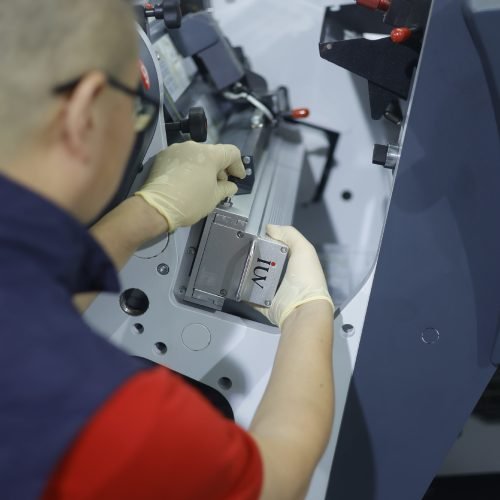
- Integration and Control: The LED UV system must integrate smoothly with your printing press. Modern systems offer advanced controls for precise adjustment of power, exposure time, and monitoring, ensuring consistent curing performance across the entire web.
Future Trends and Compliance
The drive towards safer, more sustainable, and higher-performing labels continues. LED UV curing technology is at the forefront of this evolution. As regulations become even more stringent, the ability of LED UV systems to facilitate low-migration inks and coatings will remain invaluable. Advancements in LED technology are leading to even greater energy efficiency and higher output, further enhancing productivity and cost-effectiveness for food and beverage label printers. Embracing these solutions is not just about staying competitive; it’s about ensuring the safety and compliance of the products reaching consumers’ hands.