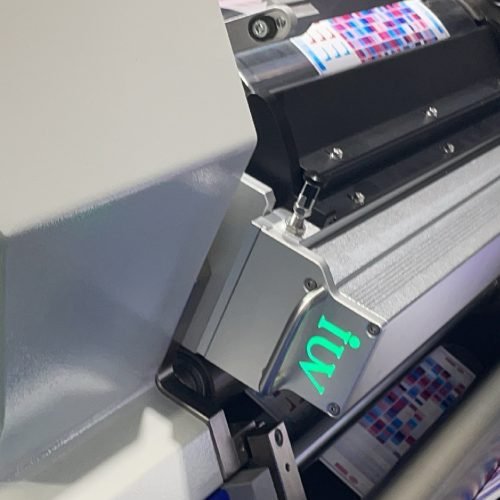
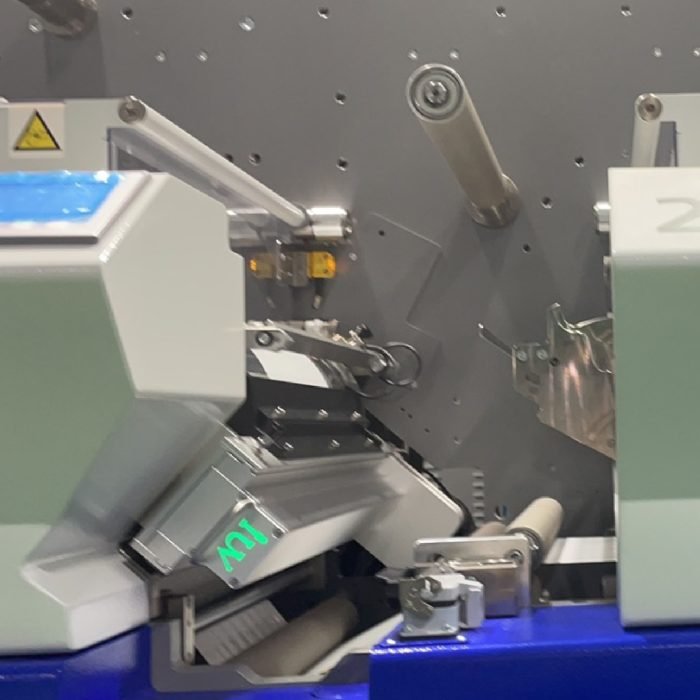
In the dynamic world of label printing, achieving superior quality, speed, and efficiency is paramount. For years, printers have relied on various curing technologies to set inks and coatings. However, a significant shift is underway, driven by the remarkable capabilities of LED UV curing systems. This technology isn’t just an upgrade; it’s a silent revolution fundamentally reshaping high-quality label production.
Understanding UV Curing: The Foundation of Durability
Before diving into the specifics of LED UV, it’s helpful to understand the broader concept of UV curing. Ultraviolet (UV) curing is a process that uses high-intensity ultraviolet light to initiate a rapid photochemical reaction. This reaction causes specially formulated inks, coatings, or adhesives to polymerize, transforming from a liquid to a solid, durable film almost instantaneously. Traditional UV curing often employed mercury vapor lamps. While effective, these lamps have limitations that LED technology addresses.
The Rise of LED UV: A Smarter, More Efficient Approach
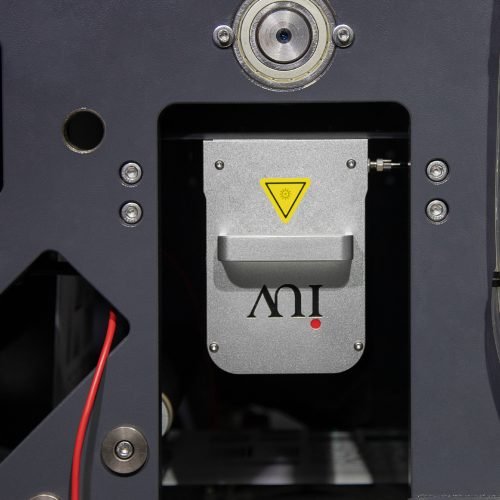
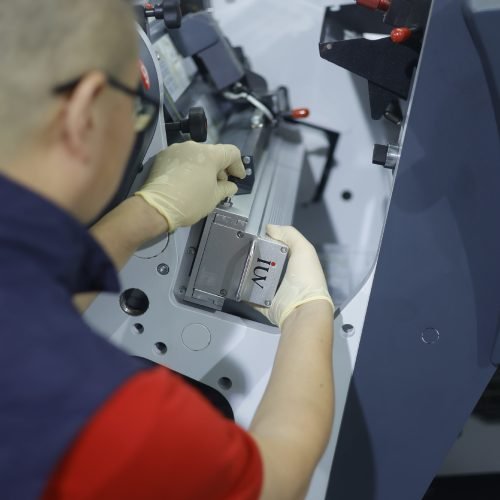
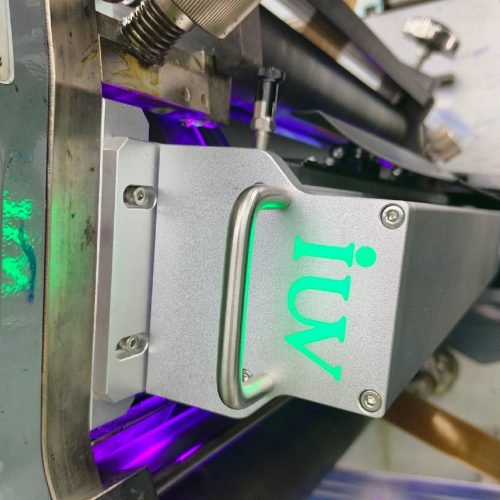
LED UV curing systems utilize light-emitting diodes (LEDs) to generate UV light. Unlike traditional mercury lamps that emit a broad spectrum of light and significant heat, LEDs offer a more focused and controlled output. This precision brings a host of advantages specifically tailored to the demands of modern label printing, whether it’s flexographic, offset, or narrow-web applications.
Key Advantages for Label Printers
The adoption of LED UV curing systems offers tangible benefits that directly impact the bottom line and the quality of the final product.
Enhanced Print Quality and Vibrant Colors
One of the most immediate improvements is in print quality. LED UV systems cure inks and coatings extremely quickly, locking in vibrant colors without allowing them to spread or bleed. This results in sharper images, finer details, and more consistent color reproduction across the entire print run. For label printers, where intricate designs and brand colors are critical, this is a game-changer. The ability to achieve near-perfect dot gain control contributes to a professional and eye-catching final label.
Superior Durability and Resistance
Labels often face harsh environments. They can be exposed to abrasion, chemicals, moisture, and extreme temperatures. LED UV cured inks and coatings form a highly cross-linked, robust film that offers exceptional resistance to these elements. This durability ensures that labels remain intact and legible throughout their intended lifecycle, whether on a food product in a refrigerator or a chemical container. This enhanced robustness reduces the likelihood of product rejection due to label damage.
Increased Production Speed and Throughput
The rapid curing nature of LED UV technology allows presses to run at much higher speeds. Because the inks solidify almost instantly upon exposure to the UV light, there’s no need for lengthy drying times or inter-station cooling. This translates directly into increased throughput and greater productivity for label printers. For businesses operating on tight deadlines, this acceleration in production can be a significant competitive advantage.
Reduced Energy Consumption
A common misconception is that all UV curing is energy-intensive. While traditional mercury lamps consume a substantial amount of power and generate considerable heat, LED UV systems are remarkably energy-efficient. LEDs operate at lower temperatures and consume significantly less electricity. This not only reduces operating costs but also contributes to a more sustainable printing process. The reduced heat output also means less strain on the press and less need for extensive cooling systems.
Lower Heat Input to the Substrate
High heat can warp, shrink, or damage delicate label substrates, especially films and thin papers. LED UV lamps emit very little infrared heat. This low-heat characteristic makes them ideal for printing on a wide range of sensitive materials that might degrade or deform under the heat generated by conventional curing methods. This opens up new substrate possibilities for label designers and printers.
Instant On/Off Capability and Longer Lamp Life
Unlike mercury lamps that require warm-up and cool-down periods, LEDs can be switched on and off instantly. This means no wasted energy or time when the press stops momentarily, such as during setup or between jobs. Furthermore, LED lamps have a significantly longer operational lifespan compared to traditional UV lamps. This reduces replacement frequency, maintenance downtime, and overall operational costs, contributing to a more reliable and predictable printing operation.
Environmental Benefits and a Safer Workplace
LED UV curing systems typically do not contain mercury, making them a more environmentally friendly option than mercury-based lamps. The reduced energy consumption also lowers the carbon footprint of the printing process. Additionally, the lower heat and absence of ozone generation (a byproduct of some traditional UV lamps) contribute to a safer and more comfortable working environment for press operators.
Applications in Modern Label Printing
The versatility of LED UV curing makes it a perfect fit for various label printing processes:
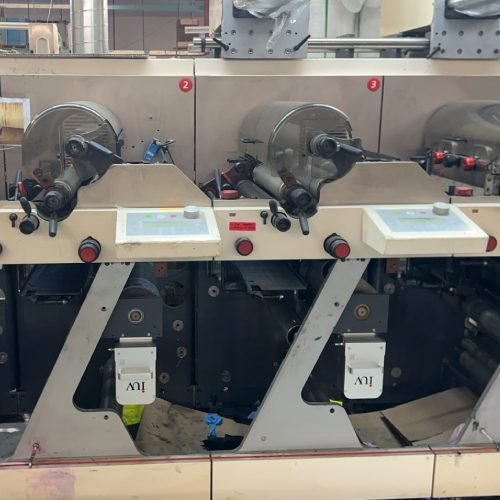
- Narrow Web Flexographic Printing: This is arguably the most common application for LED UV in label printing. Flexo presses benefit immensely from the speed and curing capabilities of LEDs, allowing for high-volume, high-quality label production.
- Offset Printing (Sheetfed and Web): LED UV is increasingly being adopted in offset printing for labels, enabling faster turnaround times and enhanced durability on a wider range of papers and films.
- Digital Printing: While some digital presses use other curing methods, LED UV is becoming a standard for many inkjet and toner-based digital label printing solutions, providing instant curing and robust finishes.
- Specialty Finishes: Beyond standard inks, LED UV curing is essential for applying special effects like spot varnishes, textured coatings, and metallic finishes, all while maintaining incredibly sharp edges and vibrant gloss or matte effects.
Addressing Technical Considerations
While the benefits are substantial, it’s important for printers to consider a few technical aspects when integrating LED UV curing:
- Wavelength Specificity: LEDs operate at specific wavelengths. It’s crucial to ensure that the LED UV lamps’ output wavelength is precisely matched to the absorption spectrum of the UV inks and coatings being used. This ensures efficient and complete curing.
- Ink and Coating Formulation: Not all existing UV inks and coatings are optimized for LED curing. Printers may need to transition to formulations specifically designed for LED UV technology to achieve optimal performance.
- Power and Intensity: The power density and uniformity of the UV output are critical for achieving consistent cure across the entire width of the label. Proper placement and selection of LED arrays are key.
The Future is Cured: Embracing LED UV Technology
The advantages offered by LED UV curing systems are too significant to ignore for any label printer serious about quality, efficiency, and sustainability. From vibrant colors and superior durability to faster speeds and lower energy costs, LED UV technology is proving to be the essential component behind the highest quality label printing. As the technology continues to advance, its integration will only deepen, solidifying its position as the future of label production. For businesses looking to stay ahead in a competitive market, investing in LED UV curing is not just a wise choice; it’s a strategic imperative.