The quest for superior print quality drives innovation across the printing world. Achieving vibrant colors, a rich tactile feel, and exceptional durability is paramount for brand recognition and consumer appeal. In this pursuit, LED UV curing systems have emerged as a transformative technology, particularly for labels, flexible packaging, and narrow-web applications. These systems offer a precise and efficient method for curing inks and coatings, unlocking new levels of gloss, depth, and ink density that were previously challenging to attain.
The Science Behind LED UV Curing
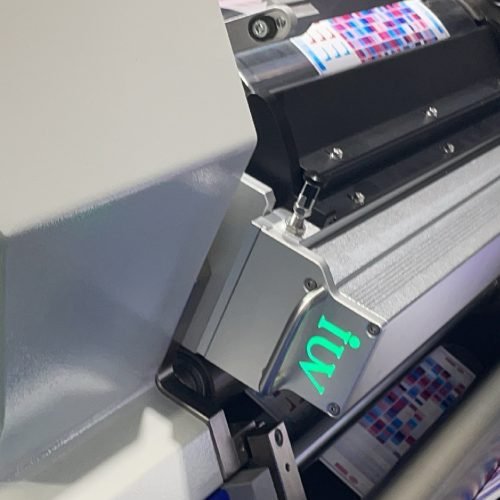
Unlike traditional mercury vapor lamps, LED UV curing utilizes a spectrum of ultraviolet light emitted from solid-state diodes. This targeted light energy initiates a rapid photochemical reaction within UV-curable inks and coatings, transforming them from liquid to solid almost instantaneously. The specific wavelengths emitted by LEDs can be finely tuned, allowing for optimal curing performance with a wide range of ink formulations. This precise control over the curing process is fundamental to achieving the desired print enhancements.
Elevating Gloss Levels
Gloss is a critical factor in print aesthetics. It reflects light, making colors appear more vibrant and giving printed materials a premium, sophisticated look. LED UV curing excels at producing high-gloss finishes. The rapid and efficient curing process prevents the ink from absorbing into the substrate, allowing it to remain on the surface. This surface-level solidification creates a smoother, more reflective layer. Furthermore, the precise energy delivery of LEDs minimizes heat generation, reducing the risk of substrate distortion or excessive ink migration that could dull the finish. For label printing, this means packaging that catches the eye on the shelf and conveys a sense of quality.
Adding Depth and Dimension
Ink density refers to the opacity and richness of the applied ink. Higher ink density results in more opaque, solid colors and crisper details. LED UV curing systems contribute significantly to achieving superior ink density. The fast cure locks the ink pigments in place before they can spread or settle. This prevents “dot gain,” a common issue where printed dots enlarge during the drying process, leading to muddier images. With LED UV, each dot retains its precise size and shape, resulting in sharper lines, finer text, and a more impactful visual experience. This is especially beneficial in narrow-web printing, where intricate designs and small text are often employed.
The perception of “depth” in print can be influenced by both gloss and ink density, but it also relates to the perceived three-dimensionality of the printed image. By enabling higher ink laydown without compromising cure speed or quality, LED UV systems can create a more substantial ink film. This thicker film, when combined with high gloss, can create a visual effect that appears to have more substance and tactile appeal. It’s akin to looking at a polished gemstone – the clarity and reflectivity contribute to its perceived depth and value.
Optimizing Ink Density in Flexographic and Offset Printing
In flexographic printing, a process widely used for labels and flexible packaging, LED UV curing offers a distinct advantage. Flexo inks are often applied in thinner layers. LED UV’s efficient curing ensures that even these thin layers achieve maximum color saturation and opacity. This is crucial for achieving vibrant process colors and solid spot colors on a variety of substrates, from paper to plastic films. The consistent energy output of LED lamps ensures uniform curing across the web, reducing batch-to-batch variation.
For offset printing, particularly in narrow-web applications where sheet-fed offset presses are adapted for label production, LED UV is revolutionizing the finishing process. It allows printers to achieve the desired gloss and density without the need for lengthy drying times or specialized coatings that might slow down production. The ability to overprint quickly with subsequent colors or coatings, all under LED UV, streamlines the entire workflow. This means faster turnaround times and the ability to offer a wider range of premium finishes to clients.
The Advantages of LED UV Technology
The benefits of LED UV curing systems extend beyond print quality. They represent a significant technological leap forward for the printing industry:
- Energy Efficiency: LEDs consume considerably less energy than traditional mercury vapor lamps, leading to substantial cost savings on electricity bills. This also translates to a smaller carbon footprint.
- Instant On/Off: LEDs switch on and off instantly, with no warm-up or cool-down period required. This eliminates wasted energy when the press is idle and allows for immediate start-up.
- Longer Lifespan: LED lamps have a significantly longer operational lifespan compared to mercury lamps, reducing maintenance costs and the frequency of replacements.
- Reduced Heat Output: LEDs emit less infrared heat, which is crucial for heat-sensitive substrates commonly used in label and flexible packaging printing. This prevents substrate shrinkage, warping, and reduces the need for extensive cooling systems.
- Compact Design: The smaller footprint of LED UV systems allows for easier integration into existing printing presses, particularly in space-constrained narrow-web environments.
- Environmental Benefits: LEDs do not contain mercury, a hazardous substance found in traditional lamps, making disposal more environmentally friendly.
Applications in Narrow-Web Printing
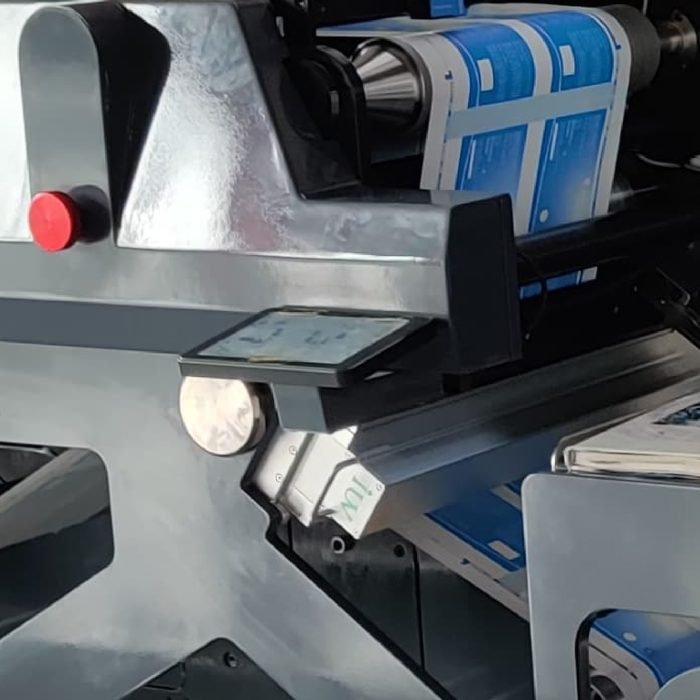
Narrow-web printing, by its nature, demands precision and efficiency. Whether it’s for intricate label designs, durable packaging, or specialized industrial markings, the quality of the final product is paramount. LED UV curing systems are perfectly suited for this environment. They enable printers to:
- Achieve sharp, high-resolution images with excellent color vibrancy.
- Produce tactile finishes that enhance brand perception.
- Apply functional coatings that provide scratch resistance and chemical protection.
- Incorporate special effects like spot gloss and matte finishes with exceptional control.
- Meet stringent regulatory requirements for ink adhesion and durability.
The consistent and controllable nature of LED UV curing ensures that even the most complex designs are reproduced faithfully, from the smallest text to the most intricate graphics.
Conclusion
In the competitive landscape of modern printing, LED UV curing systems offer a powerful advantage. By enabling printers to enhance gloss, achieve remarkable depth, and maximize ink density, these systems elevate the aesthetic and functional qualities of printed materials. Whether employed in flexographic, offset, or other narrow-web printing processes, LED UV technology delivers superior results with increased efficiency and reduced environmental impact. Embracing this advanced curing method is not just about keeping pace with technology; it’s about unlocking new possibilities for print quality and commercial success.