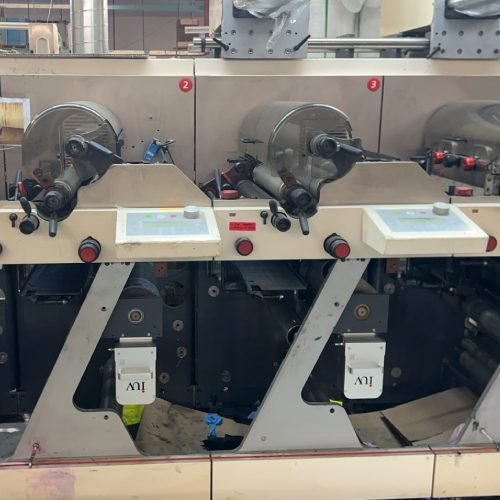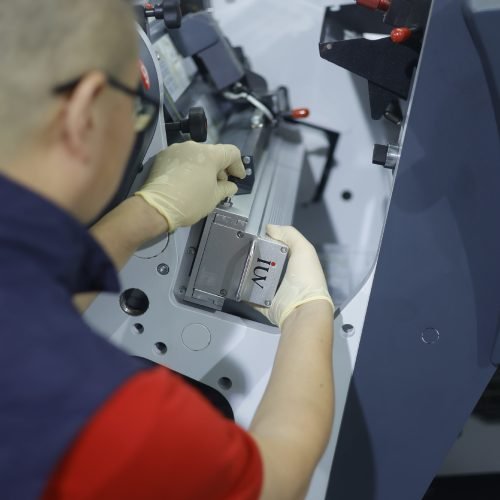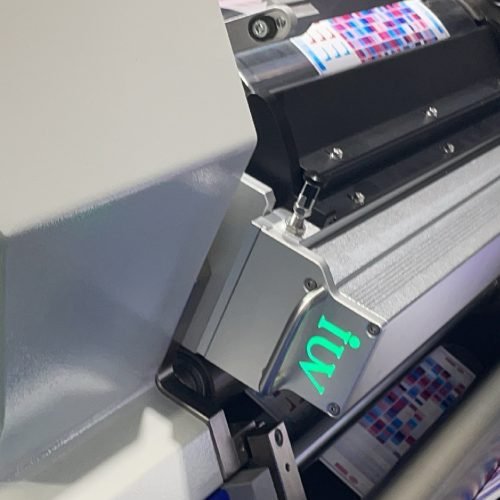
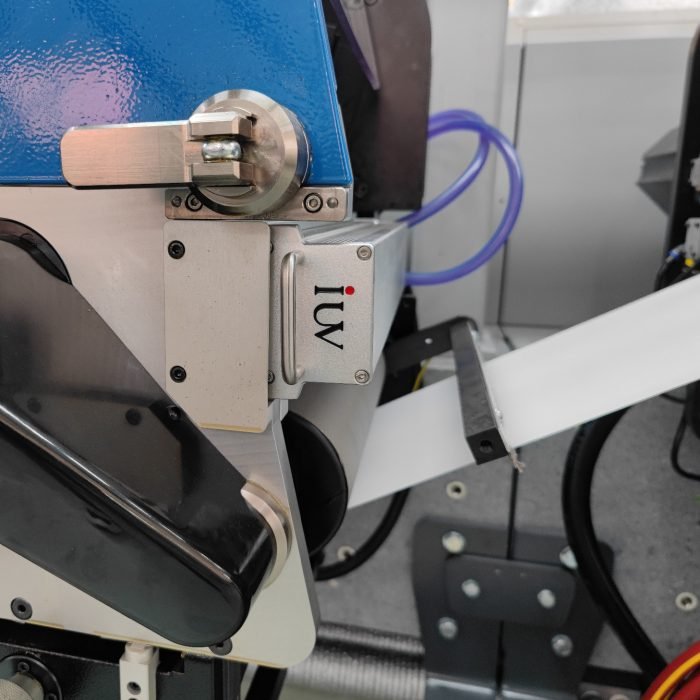
The printing industry is constantly seeking ways to enhance efficiency and reduce environmental impact. Offset printing, a cornerstone of commercial and packaging production, has seen significant advancements, particularly with the integration of LED UV curing technology. This evolution is not just about speed; it’s a fundamental shift towards more sustainable and cost-effective workflows. For label printing, flexible packaging, and narrow web applications, the benefits are particularly pronounced.
The Evolution of UV Curing in Offset Printing
Traditional UV curing methods, while effective, often relied on mercury vapor lamps. These lamps consume considerable energy and generate a significant amount of heat and ozone. This heat can be detrimental to heat-sensitive substrates, limiting application possibilities and often requiring expensive ventilation and cooling systems. The lamps also have a finite lifespan, necessitating regular replacement and contributing to waste.
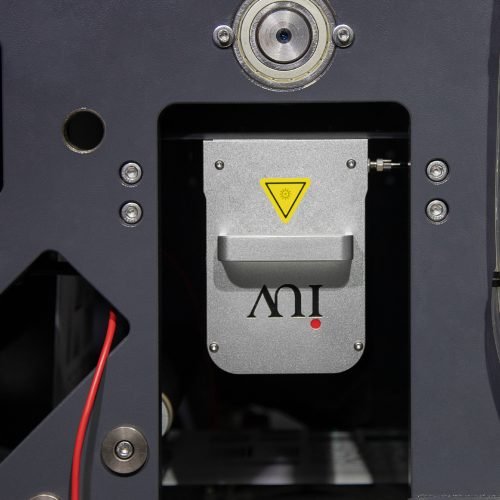
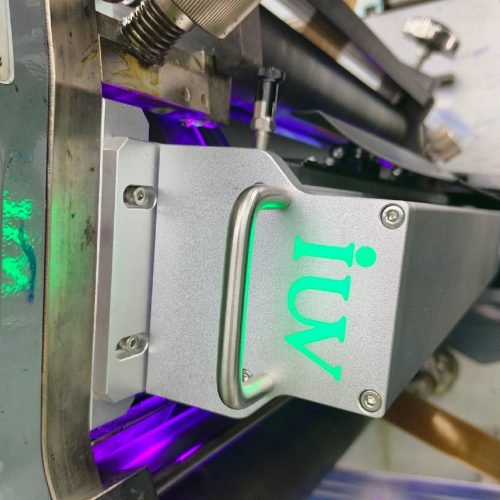
LED UV curing systems represent a paradigm shift. Instead of generating UV light across a broad spectrum, LEDs emit light at specific wavelengths, precisely matched to the photoinitiators in UV-curable inks, coatings, and adhesives. This targeted approach offers several advantages. Firstly, it is far more energy-efficient, consuming a fraction of the power compared to conventional mercury lamps. Secondly, LEDs produce virtually no heat, allowing printers to work with a wider range of delicate substrates without fear of distortion or damage. The absence of ozone generation also simplifies ventilation requirements, leading to a healthier and safer working environment.
Energy Efficiency: A Core Benefit for Offset Workflows
Energy consumption is a major operational cost in any printing facility. Offset printing presses, with their high operational speeds and multiple processing units, are significant energy users. The introduction of LED UV curing systems directly addresses this challenge. The substantial reduction in power draw translates into lower electricity bills, a tangible benefit for printers aiming to optimize their bottom line. This energy efficiency also aligns with growing global demands for environmentally responsible manufacturing practices. Businesses are increasingly prioritizing suppliers who demonstrate a commitment to sustainability. Adopting LED UV technology positions printers as forward-thinking and eco-conscious partners.
Impact on Narrow Web and Label Printing
The narrow web and label printing sector has been an early adopter of LED UV technology, and for good reason. The high-volume, short-run nature of label production demands quick turnaround times and the ability to handle a diverse array of materials. LED UV curing enables instant drying of inks and coatings, eliminating the need for lengthy inter-stage drying processes. This allows for faster press speeds, increased throughput, and reduced work-in-progress inventory.
Furthermore, the low heat output of LEDs is crucial for printing on thin films and sensitive papers commonly used for labels. This capability expands the range of printable materials, allowing label converters to offer innovative solutions to their clients. The precise wavelength control also leads to more consistent curing, resulting in sharper print quality, better color reproduction, and enhanced durability of the finished labels.
Advantages in Flexible Packaging and Wide Web Offset
While narrow web has embraced LED UV wholeheartedly, its application in wider web offset printing for flexible packaging is also gaining momentum. The ability to cure inks and coatings rapidly is essential for multi-layer packaging structures. LED UV ensures that inks are fully cured before subsequent layers are applied or before the web is wound, preventing issues like ink transfer and adhesion problems.
The low heat emission is also beneficial when printing on heat-sensitive films used in food packaging, where maintaining substrate integrity is paramount. The environmental benefits, such as reduced ozone and lower energy consumption, are equally relevant in this sector, contributing to a more sustainable packaging supply chain.
Enhanced Print Quality and Substrate Versatility
Beyond energy savings and speed, LED UV curing significantly influences print quality. The instant curing process locks ink and coatings onto the substrate, preventing smudging and ensuring sharp detail. This is particularly important for applications demanding high visual appeal and tactile finishes. Think of high-gloss coatings on premium packaging or matte varnishes on marketing materials.
The compatibility of LED UV with a broader spectrum of substrates is another game-changer. Printers are no longer limited to traditional paper and board. They can now confidently print on plastics, foils, synthetic papers, and other non-porous materials that might degrade or deform under the heat of traditional UV lamps. This versatility opens up new market opportunities and allows for greater creative freedom in design.
The Future of Offset Printing: Sustainable and Efficient
The integration of LED UV curing systems into offset printing workflows is more than just a technological upgrade; it’s a strategic move towards a more sustainable, efficient, and versatile future. As the industry continues to prioritize environmental responsibility and operational excellence, LED UV technology stands out as a key enabler. Its ability to reduce energy consumption, minimize waste, and expand substrate possibilities makes it an indispensable tool for modern printers. For businesses in the label, packaging, and commercial printing sectors, embracing this technology is not just about staying competitive; it’s about leading the way in responsible and innovative printing.