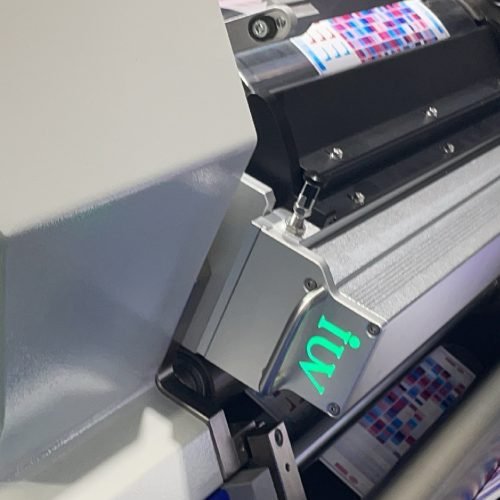
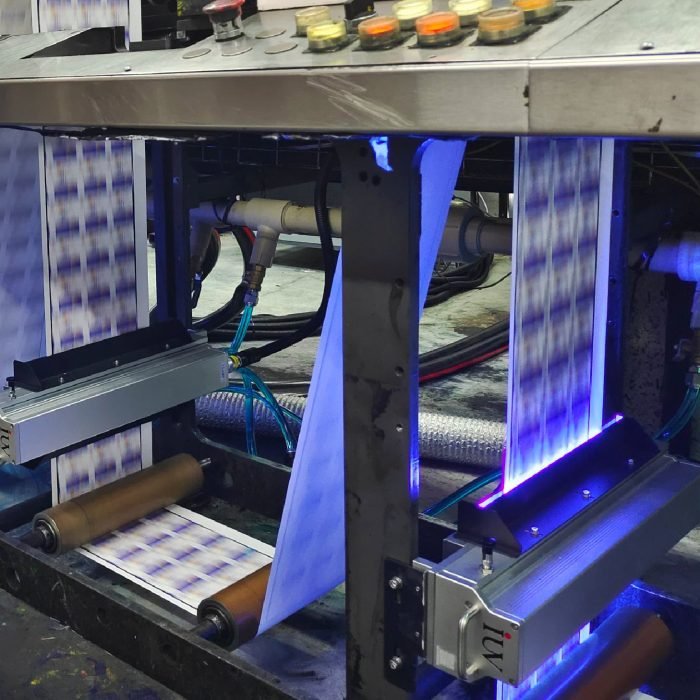
Flexographic printing, often called flexo, is a workhorse in the printing industry. It’s known for its versatility, handling a wide range of substrates from paper and film to foil and corrugated board. Traditionally, flexo relied on solvent-based or water-based inks, which have their own set of advantages and limitations. However, the pursuit of higher quality finishes, especially that eye-catching gloss, has led printers to explore more advanced curing technologies. This is where LED UV curing systems come into play, offering a distinct edge.
The Science Behind the Shine: How LED UV Curing Works
At its core, UV curing involves using ultraviolet light to instantly dry or “cure” inks, coatings, and adhesives. Unlike conventional drying methods that rely on evaporation, UV curing is a photochemical process. The UV light initiates a rapid polymerization reaction within the ink or coating. This means the liquid ink transforms into a solid, durable film almost instantaneously.
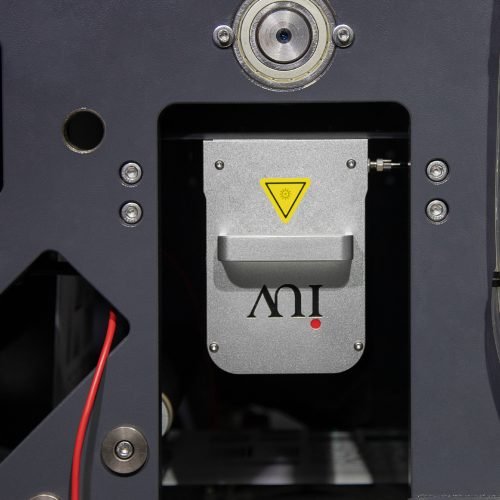
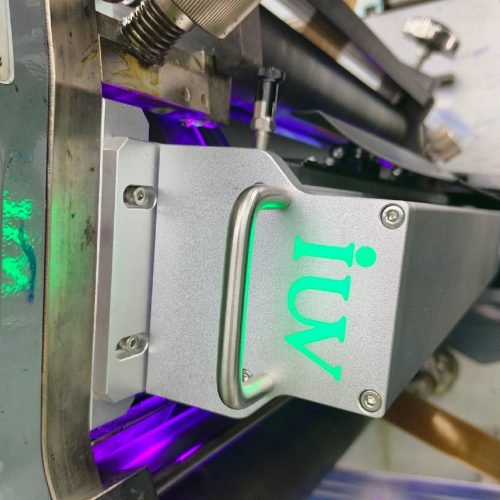
LED UV curing systems utilize light-emitting diodes (LEDs) as their UV light source. This is a significant advancement over traditional mercury vapor lamps. LEDs emit a specific wavelength of UV light that is precisely tuned to activate the photoinitiators present in UV-curable inks and coatings. This precise wavelength delivery leads to highly efficient and consistent curing. The result is a smooth, uniform surface that reflects light beautifully, creating that superior gloss everyone desires.
The Gloss Factor: Why LED UV Excels
The quest for a high-gloss finish in flexographic printing is often driven by packaging and labeling applications. A glossy surface not only looks attractive but also enhances the perceived value of the product. It can make colors appear more vibrant and the overall print more impactful.
LED UV curing is particularly adept at producing this high gloss for several reasons:
- Instantaneous Curing: The rapid curing process prevents the ink or coating from settling or absorbing into the substrate before it’s fully cross-linked. This leaves a smooth, unblemished surface that maximizes light reflection.
- Non-Migrating Ink Layers: UV-curable inks form a solid layer on the surface of the substrate. This means the ink isn’t absorbed, preserving its intended topography. A flatter, more uniform surface inherently leads to higher gloss.
- Formulation Flexibility: UV ink and coating formulations can be engineered to enhance gloss. When combined with the efficient curing provided by LED UV systems, the results are exceptional. The precise energy delivered by LEDs ensures that the entire ink layer cures properly, leaving no soft spots that could detract from the gloss.
Beyond Gloss: Other Surface Finish Benefits
While gloss is a primary driver, LED UV curing offers a suite of benefits that contribute to an overall superior surface finish in flexographic printing:
- Enhanced Durability: The cross-linked polymer formed during UV curing creates a robust film. This translates to increased scratch resistance, abrasion resistance, and chemical resistance. Labels and packaging printed with LED UV cured inks can withstand more handling and exposure to environmental factors without degrading their appearance.
- Vibrant Color Reproduction: Because UV inks sit on top of the substrate rather than soaking in, they maintain their color integrity. This leads to sharper details, better color contrast, and a more vibrant print appearance, even on lower-cost substrates.
- Consistent Quality: LED UV systems offer consistent light output and wavelength. This means that every print run, every label, and every inch of the substrate receives the same amount of curing energy. This consistency is crucial for maintaining brand standards and ensuring customer satisfaction.
- Reduced Mottle and Unevenness: In flexographic printing, achieving a perfectly smooth ink laydown can sometimes be a challenge. The rapid curing of UV inks, especially with the precise energy of LED systems, helps to “freeze” the ink in place before it has a chance to develop mottling or unevenness, contributing to a cleaner surface finish.
LED UV in the Narrow Web and Label Printing Landscape
The narrow web printing sector, which includes label and flexible packaging production, has been an early adopter and major beneficiary of LED UV curing technology. This segment thrives on high-volume, high-quality printing where speed and efficiency are paramount.
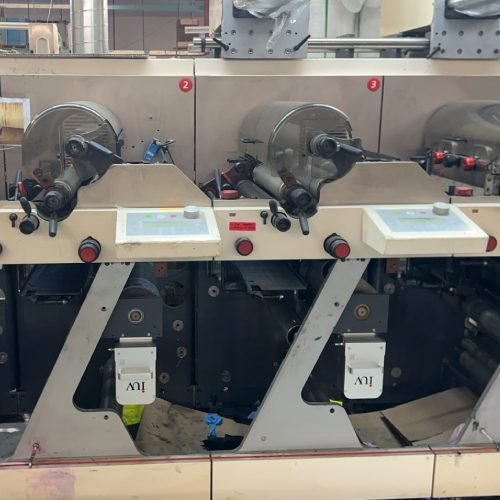
Narrow web presses are often configured with multiple print stations, allowing for complex designs with various colors and special effects. Integrating LED UV curing units between stations enables printers to:
- Print Process Colors and Spot Colors with Crisp Definition: The instant curing prevents ink spread, ensuring sharp edges and fine details.
- Apply Overprint Varnishes (OPVs) for Protective and Aesthetic Effects: Whether it’s a high-gloss varnish, a matte finish, or a textured coating, LED UV cures them instantly, adding that final layer of protection and visual appeal.
- Handle Sensitive Substrates: LED UV curing produces very little heat compared to traditional UV lamps. This is critical for printing on heat-sensitive materials like thin films, which could warp or degrade under excessive heat.
- Achieve Faster Production Speeds: The instantaneous nature of UV curing allows presses to run at higher speeds without compromising on ink drying. This directly translates to increased throughput and reduced turnaround times.
Addressing the Competition: Offset and Other Technologies
While flexography with LED UV is a powerhouse, it’s helpful to understand how it stacks up against other printing methods, particularly offset lithography, which is also used for labels and packaging.
Offset printing, especially sheetfed offset, has traditionally been known for its excellent print quality and smooth ink laydown, often associated with a natural gloss. However, flexography, particularly with the advancements in plate technology, anilox rolls, and ink systems like LED UV, has significantly closed the quality gap.
For narrow web applications, flexography often has an advantage in terms of substrate versatility and cost-effectiveness for shorter to medium print runs. The ability of flexo to print on a wider array of materials, combined with the cost savings of less expensive plates compared to offset plates, makes it a very competitive choice.
When comparing the surface finish, flexography using LED UV can now achieve a gloss level that is comparable to, and sometimes even surpasses, what can be achieved with conventional offset inks, especially when considering the integrated nature of the UV curing process. Furthermore, the efficiency of LED UV curing in flexo leads to faster job changes and reduced waste, crucial factors in the demanding label market.
The Advantages of LED UV Over Traditional UV Curing
The transition from traditional mercury vapor UV lamps to LED UV systems is driven by a compelling set of advantages:
- Energy Efficiency: LEDs consume significantly less power than mercury lamps. This translates to lower electricity bills and a reduced carbon footprint.
- Longer Lifespan: LED arrays can last tens of thousands of hours, whereas mercury lamps need frequent replacement. This reduces maintenance costs and downtime.
- Instant On/Off Capability: LEDs can be switched on and off instantly, unlike mercury lamps that require warm-up and cool-down periods. This is beneficial for quick job changes and reduces energy waste.
- Consistent Output: LEDs maintain a stable UV output over their lifespan and are less affected by ambient temperature fluctuations, ensuring consistent curing results.
- Lower Heat Emission: LEDs emit very little infrared (IR) radiation, meaning they generate less heat. This is crucial for printing on heat-sensitive substrates and improves operator comfort.
- Environmental Benefits: With no mercury content, LEDs are more environmentally friendly. The reduced energy consumption also contributes to sustainability.
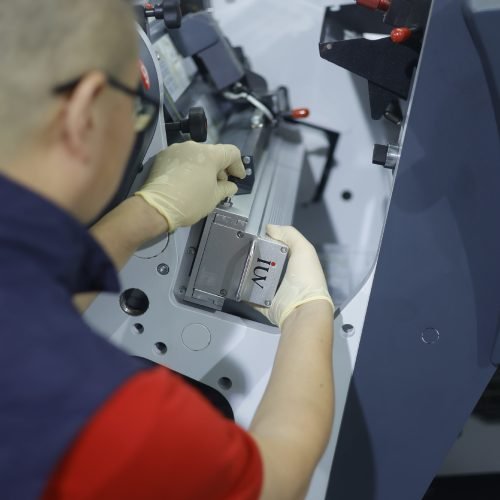
- Compact Design: LED UV systems are often more compact than traditional UV lamps, making them easier to integrate into existing or new printing presses.
Implementing LED UV Curing in Your Flexo Operation
Adopting LED UV curing technology for your flexographic printing requires careful consideration of several factors to ensure optimal performance and that superior gloss and surface finish are consistently achieved.
Firstly, ink and coating selection is paramount. Not all UV inks are created equal, and it’s crucial to partner with ink manufacturers who have formulations specifically designed for LED UV curing and the desired gloss levels. Ensure the photoinitiators in the ink are efficiently activated by the specific wavelengths emitted by the LED lamps.
Secondly, substrate compatibility must be thoroughly tested. While LED UV is versatile, certain substrates may require specific surface treatments or primers to ensure optimal ink adhesion and finish. As mentioned, the low-heat nature of LEDs is a significant advantage here.
Thirdly, press configuration is key. The placement of the LED UV units within the printing press needs to be strategic. For multi-color jobs, inter-station curing is essential. The number of LED units and their power output should be matched to the press speed and the requirements of the inks and coatings being used.
Finally, maintenance and monitoring are important. While LED systems are low maintenance, regular checks to ensure the emitters are clean and functioning correctly will guarantee consistent results. Monitoring UV dose (energy delivered) can help optimize curing parameters and troubleshoot any issues related to ink tack or scuff resistance.
The Future of Flexo with LED UV
The trend towards higher quality, more sustainable, and efficient printing processes firmly places LED UV curing systems at the forefront of flexographic printing. As technology continues to advance, we can expect even more sophisticated ink formulations, more powerful and versatile LED systems, and greater integration possibilities.
For printers in the narrow web, label, and flexible packaging sectors, embracing LED UV curing is not just about achieving a beautiful glossy finish; it’s about unlocking a new level of performance, efficiency, and competitive advantage in a dynamic market. The ability to deliver exceptional surface finishes while also improving operational sustainability makes LED UV a truly transformative technology for the modern flexographic printer.