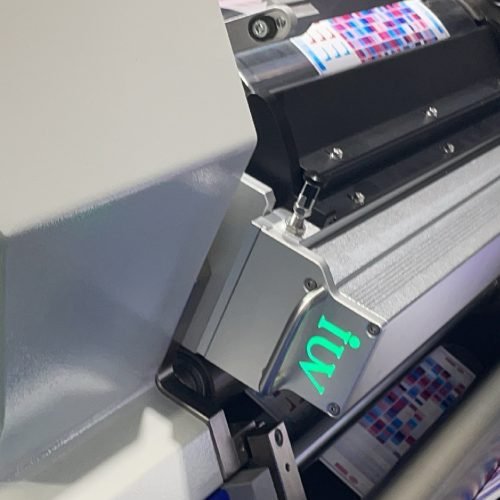
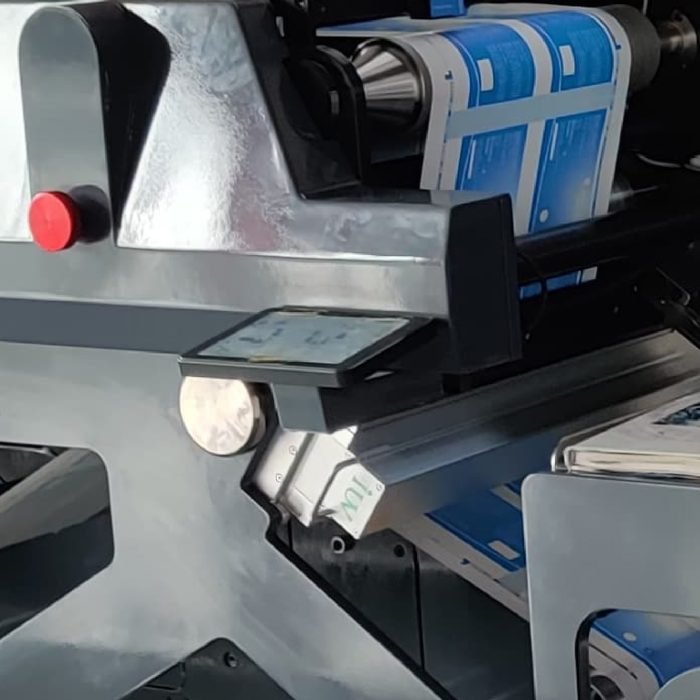
In the modern printing industry, staying ahead of technological advancements is essential for ensuring high-quality, efficient production processes. One such advancement that has revolutionized print finishing is the development of LED UV curing systems. These systems are becoming increasingly popular in a variety of printing applications, especially in narrow-web flexographic printing, pad printing, and offset printing, where print adhesion and drying speed are critical factors. This article explores how LED UV curing systems are enhancing print adhesion in multi-substrate applications and how they are benefiting printers across different sectors.
What is LED UV Curing?
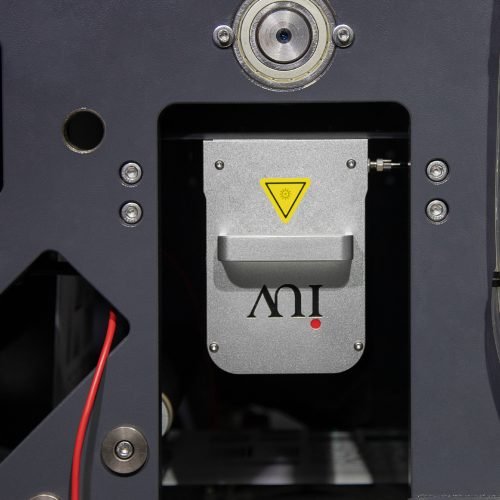
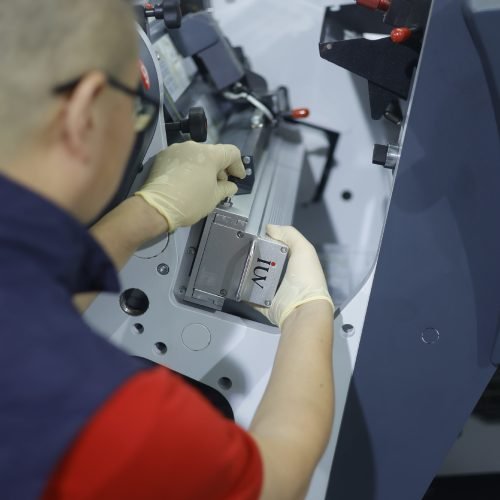
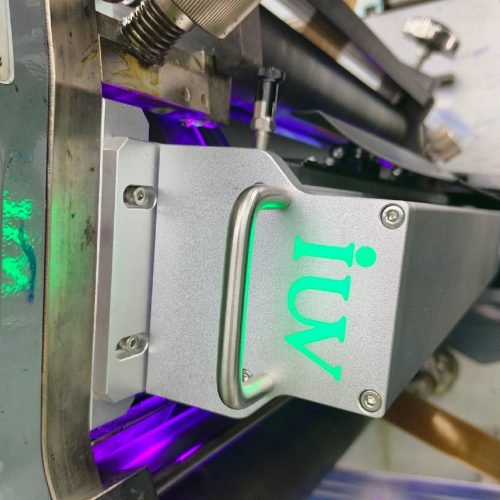
LED UV curing refers to a printing process where ultraviolet (UV) light, emitted by LED (Light Emitting Diode) lamps, is used to cure (or dry) UV-sensitive inks. Unlike traditional UV curing, which uses mercury-based UV lamps, LED UV systems use much lower energy, emit less heat, and offer a longer operational lifespan. This technology has found widespread use in various types of printing, including flexographic, offset, and screen printing, due to its efficiency and the quality of its curing results.
One of the primary advantages of LED UV curing systems is their ability to instantly cure inks, enabling immediate handling of printed materials. This not only accelerates the production process but also ensures better adhesion on a wide range of substrates, which is crucial when working with complex or multi-substrate printing projects.
The Role of LED UV Curing in Print Adhesion
Print adhesion is the ability of ink to bond effectively to the substrate surface. For a print job to be successful, the ink must adhere securely to the material without smudging, flaking, or fading. Print adhesion is influenced by several factors, including the type of ink, the printing process, the substrate material, and the curing method.
Traditional drying methods, such as air drying or oven drying, are often slow and ineffective when it comes to ensuring strong adhesion, particularly with certain challenging substrates like plastics, films, or metallic surfaces. LED UV curing, on the other hand, offers several advantages in improving print adhesion across a variety of materials.
- Rapid Ink Curing
LED UV curing systems offer near-instant curing, which is critical for achieving high adhesion quality. The UV light reacts with the photoinitiators in the ink, causing a chemical reaction that hardens the ink almost immediately after printing. This rapid curing prevents issues such as ink smudging or rub-off, which can occur with slower curing methods. This is especially important in applications like narrow-web printing, where speed and precision are vital. - Improved Ink Penetration
LED UV inks are specially formulated to penetrate deeper into the surface of the substrate. This enhances the adhesion of the ink, especially on non-porous or challenging surfaces. The combination of high-energy UV light and specialized inks allows the ink to bond more effectively, ensuring long-lasting prints. - Better Performance on Multi-Substrates
Multi-substrate printing is common in various industries, including packaging and labels, where multiple materials like paper, plastic films, foils, and coated substrates are used. LED UV curing excels in these situations due to its ability to cure inks quickly and efficiently, regardless of the substrate. The ink’s adhesion properties are less dependent on the material’s specific characteristics, allowing for more versatility in print production. - Minimized Heat Damage
Traditional UV curing systems often generate excessive heat, which can cause substrate warping, deformation, or other forms of damage. LED UV curing systems, on the other hand, emit significantly less heat, making them ideal for delicate materials like thin films or sensitive substrates. The reduced heat generation ensures better print adhesion while maintaining the integrity of the substrate.
LED UV Curing in Flexographic Printing
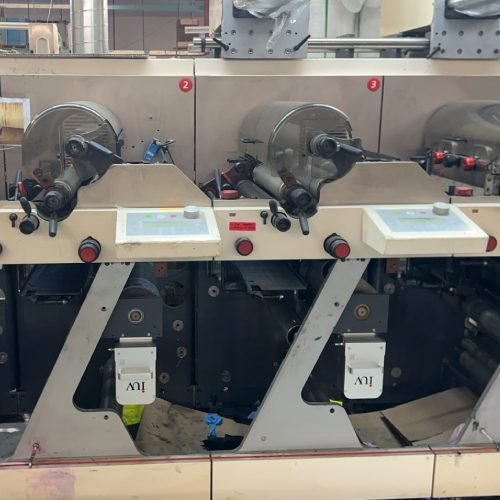
Flexographic printing is one of the most widely used printing methods for flexible packaging, labels, and other multi-substrate applications. The technology has seen considerable improvements with the adoption of LED UV curing systems, particularly in narrow-web flexographic printing.
In flexography, the speed and efficiency of the printing process are crucial, and LED UV curing helps meet these demands. The ability to cure inks quickly allows for faster production speeds and less downtime between runs. Moreover, LED UV curing enables the use of a broader range of substrates, including non-porous materials like films and foils, which are challenging for traditional inks to adhere to.
Flexo printers benefit from the precise control of the curing process provided by LED UV systems. This enables better print quality, higher durability, and improved color consistency across a variety of substrates. Whether it’s paper, plastic, or synthetic films, LED UV curing enhances adhesion, resulting in prints that are more resistant to abrasion, scuffing, and environmental wear.
Applications in Narrow-Web Printing
Narrow-web printing, which is primarily used for label printing and packaging, is another area where LED UV curing systems have had a significant impact. The ability to quickly cure inks while maintaining precise adhesion to diverse substrates is critical in this application, where high-quality, long-lasting prints are required.
In narrow-web printing, substrates can range from paper and carton board to more complex materials such as metallized films and plastics. LED UV curing allows for excellent adhesion on all these substrates, ensuring that the ink bonds well and the final print remains vibrant and durable. The reduced heat output from LED UV systems also reduces the risk of substrate deformation, which is a common issue with traditional curing methods.
The Benefits of LED UV Curing in Multi-Substrate Printing
Multi-substrate printing is increasingly in demand across various industries, particularly in packaging, labeling, and promotional printing. LED UV curing offers several advantages in these applications:
- Versatility Across Different Substrates
LED UV curing systems provide excellent results on a wide variety of materials. Whether working with paper, plastic, film, or other substrates, LED UV inks offer strong adhesion without the need for complicated adjustments to the curing process. This flexibility is especially important in multi-substrate print runs, where different materials may require different approaches. - Eco-Friendly and Cost-Effective
Compared to traditional UV curing systems, LED UV curing is more energy-efficient and environmentally friendly. LED lamps consume less power and last significantly longer, reducing both energy costs and maintenance expenses. Moreover, the absence of harmful mercury in LED lamps makes them a safer and more sustainable option for the print industry. - Improved Durability and Scratch Resistance
LED UV cured prints are known for their durability, especially in high-wear applications such as labels and packaging. The high-strength bonds formed between the ink and substrate make the print more resistant to scratching, fading, and chemical exposure. This ensures that prints remain sharp and vibrant over time, even in harsh conditions. - Fast Turnaround Times
LED UV curing enables rapid production cycles, as printed materials can be handled and processed almost immediately after curing. This significantly shortens turnaround times for multi-substrate print jobs, making it possible to meet tight deadlines without compromising quality.
Conclusion
LED UV curing technology has proven to be a game-changer in the print industry, especially for multi-substrate applications that require high-quality, durable prints with strong adhesion. By offering rapid curing, improved ink penetration, and reduced heat generation, LED UV curing systems help printers achieve superior results across a wide range of materials. Whether in narrow-web flexographic printing, pad printing, or offset printing, LED UV curing is enhancing print quality and efficiency, making it a valuable tool in today’s competitive printing market. As the technology continues to evolve, LED UV curing will likely play an even more significant role in advancing the capabilities of the print industry.