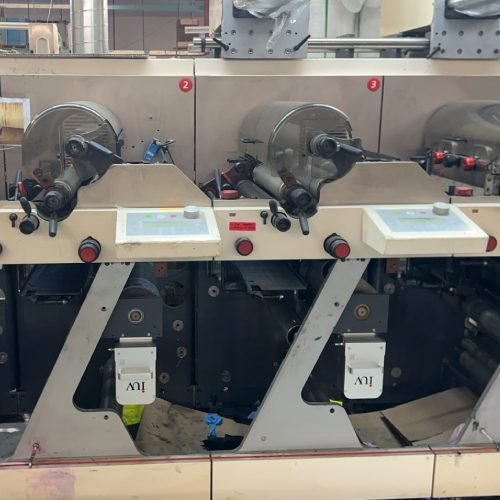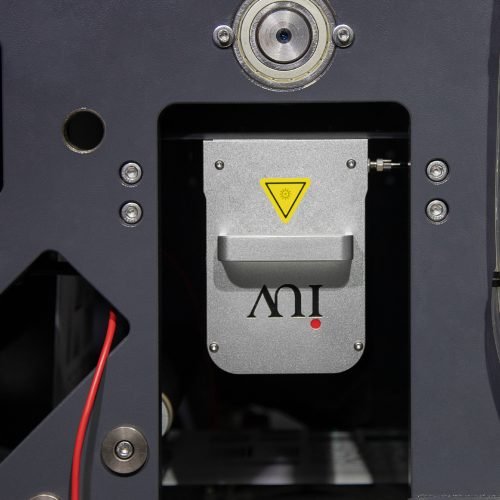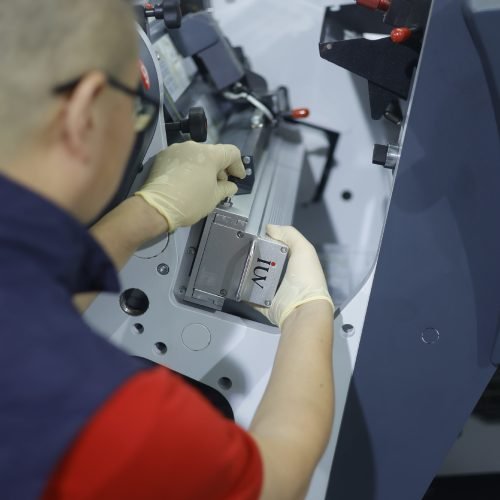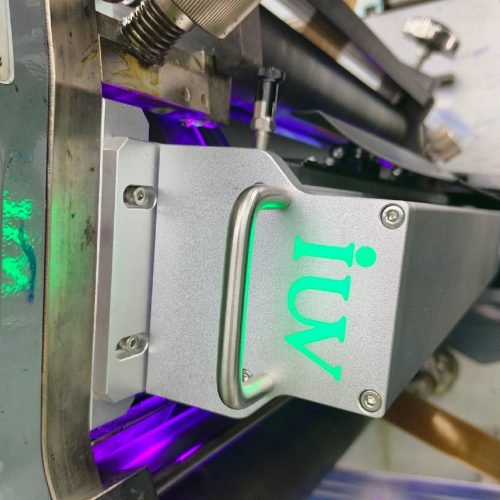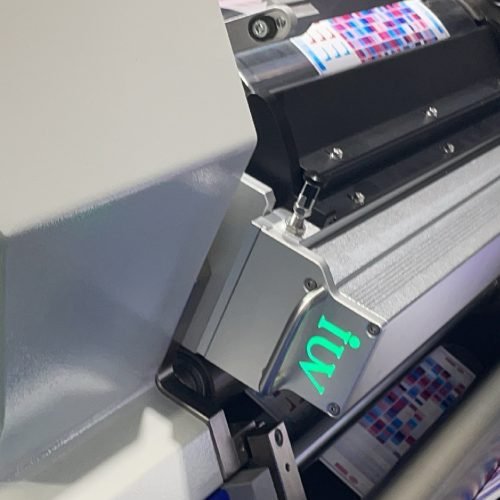
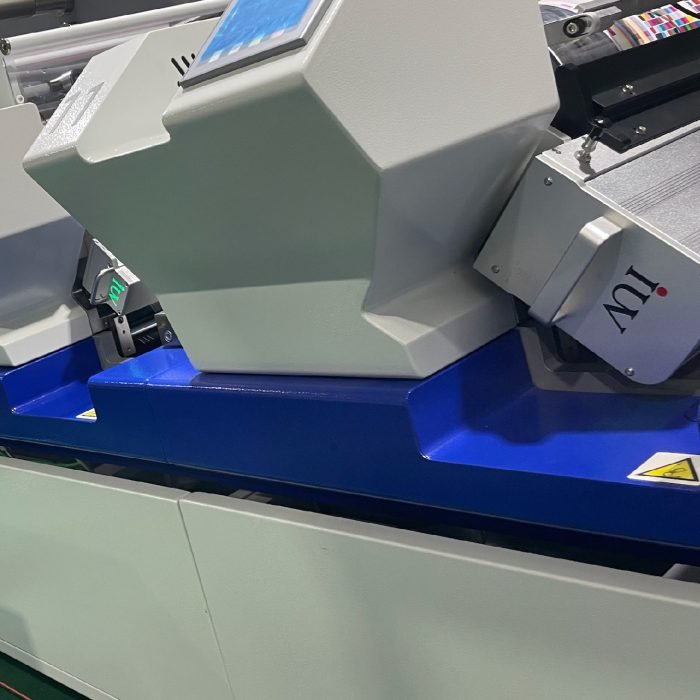
In the ever-evolving printing industry, LED UV curing technology has emerged as a game changer, especially when it comes to improving ink adhesion on difficult-to-print substrates. From flexographic to narrow-web printing, the ability to effectively cure inks and coatings is crucial for achieving high-quality prints that last. This article delves into the mechanics of LED UV curing systems, focusing on how they maximize ink adhesion on challenging substrates.
Understanding LED UV Curing Technology
LED UV curing is a process that uses ultraviolet light-emitting diodes (LEDs) to initiate the curing of inks, coatings, and adhesives. Unlike traditional UV lamps that rely on mercury vapor, LED UV lamps use solid-state technology, offering several advantages, including energy efficiency, longer lifespan, and the ability to cure a wide range of substrates.
In UV curing, a photoinitiator within the ink absorbs the UV light, triggering a chemical reaction that hardens the ink. This process occurs almost instantaneously, making it particularly effective for high-speed printing applications. LED UV systems produce light at specific wavelengths, allowing for precise control over the curing process.
Benefits of LED UV Curing in Printing
One of the primary benefits of LED UV curing is its ability to work with a diverse range of materials. For printing on substrates that are otherwise challenging, such as non-porous surfaces or materials with low surface energy, LED UV curing offers significant advantages. The technology ensures that the ink is fully cured and adheres well, providing strong, durable prints.
Energy Efficiency: LED UV lamps are more energy-efficient compared to traditional UV systems. They produce less heat, which is ideal for heat-sensitive substrates such as plastics, films, and certain foils.
Instant Curing: The curing process in LED UV printing is almost immediate, allowing for faster production speeds. This quick turnaround is a major advantage in high-demand industries such as packaging, labels, and commercial printing.
Longer Lamp Life: LED UV lamps have a longer lifespan than traditional UV lamps, leading to lower maintenance costs and fewer lamp replacements.
Environmental Impact: LED UV curing produces less heat and emits less ozone, which reduces the environmental impact and makes it a safer option for both operators and the surrounding environment.
How LED UV Curing Enhances Ink Adhesion on Challenging Substrates
Some substrates, particularly non-porous or low-energy materials, present unique challenges when it comes to achieving strong ink adhesion. These include surfaces like plastics, films, metals, and coated papers. The adhesion of inks to these substrates can be problematic because the ink may not bond effectively to the smooth or low-energy surface, leading to poor print quality and durability.
LED UV curing systems offer an ideal solution to these challenges. Here’s how they enhance ink adhesion on such materials:
1. Surface Activation via UV Radiation
LED UV light has the ability to modify the surface of challenging substrates. When exposed to UV radiation, the surface of the material undergoes a process known as “surface activation,” which increases the surface energy of the substrate. This makes it more receptive to ink adhesion. The enhanced surface energy creates a stronger bond between the ink and substrate, ensuring that the printed image is durable and resistant to wear.
2. Instant Curing for Optimal Bonding
Unlike conventional curing methods, LED UV curing offers instant curing, which locks in the ink before it has a chance to lift or smudge. This rapid curing process helps to preserve the ink’s bond to challenging substrates by reducing the time during which the ink can be disrupted. For materials such as films and foils, where drying times are critical, LED UV curing provides a consistent, high-quality result without compromising on ink adhesion.
3. Low-Temperature Curing
One of the significant advantages of LED UV curing systems is their ability to cure ink at lower temperatures. This feature makes it particularly suitable for heat-sensitive substrates, such as certain plastic films or coated papers. The low heat output reduces the risk of substrate warping or degradation, ensuring that the ink adheres without causing any damage to the material.
Optimizing Ink Formulations for LED UV Curing
To maximize ink adhesion on challenging substrates, it’s important to select the right ink formulation. LED UV inks are specifically designed for use with LED UV curing systems, and they differ from conventional UV inks in a few key areas:
1. High Reactivity
LED UV inks are formulated with photoinitiators that are highly reactive to the wavelengths produced by LED lamps. These inks are optimized to cure quickly and efficiently under LED UV light, ensuring strong adhesion to various substrates.
2. Flexibility and Durability
For flexographic and narrow-web printing applications, LED UV inks need to provide a balance of flexibility and durability. The ink should be able to stretch without cracking on flexible materials such as films and labels while maintaining its adhesion strength. Additionally, LED UV inks are resistant to abrasion, fading, and environmental factors, which is particularly important for applications where the print will be exposed to wear and tear.
3. Compatibility with Substrate Types
LED UV inks are available in formulations tailored for specific substrates, whether it’s paper, film, plastic, or metal. Manufacturers offer a wide variety of ink types that are optimized for each material’s unique properties. This ensures that the ink adheres properly and provides long-lasting results.
Printing Techniques That Benefit from LED UV Curing
Several printing techniques benefit from the integration of LED UV curing, particularly those used for narrow-web, flexographic, and letterpress printing. Here’s how each method can leverage LED UV curing for improved ink adhesion:
1. Flexographic Printing
Flexographic printing is widely used for packaging, labels, and flexible materials. The ability to print on a variety of substrates, including non-porous and flexible films, makes LED UV curing an essential technology in this space. The instant curing capabilities of LED UV systems ensure that the ink adheres perfectly, even on substrates with low surface energy. This results in vibrant colors and high-quality prints, making it ideal for packaging applications.
2. Narrow-Web Printing
Narrow-web printing, often used for labels and packaging, requires precise ink adhesion on small, intricate prints. LED UV curing enhances the accuracy of the printing process by allowing quick curing, which prevents smudging or misalignment. In narrow-web printing, LED UV systems also improve ink adhesion on a variety of substrates, ensuring high-quality results on both paper and synthetic materials.
3. Letterpress Printing
While less common today, letterpress printing is still used for high-end applications such as invitations, packaging, and fine prints. LED UV curing provides letterpress printers with the ability to print on a broader range of substrates with superior ink adhesion. The ability to cure ink instantly also improves productivity and reduces the risk of errors during production.
Conclusion
LED UV curing systems have revolutionized the printing industry by providing a highly effective solution for maximizing ink adhesion on challenging substrates. Whether it’s for flexographic, narrow-web, or letterpress printing, LED UV technology enhances print quality, reduces energy consumption, and allows for faster production times. The technology’s ability to cure inks instantly, even on heat-sensitive and non-porous surfaces, makes it an invaluable tool for modern printing applications. By selecting the right ink formulations and understanding the unique benefits of LED UV curing, printers can achieve superior results on even the most difficult substrates.