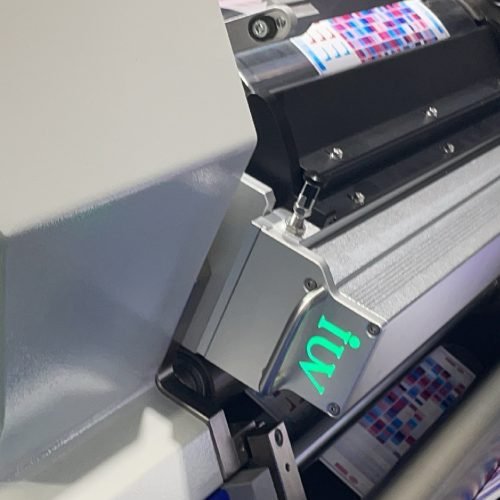
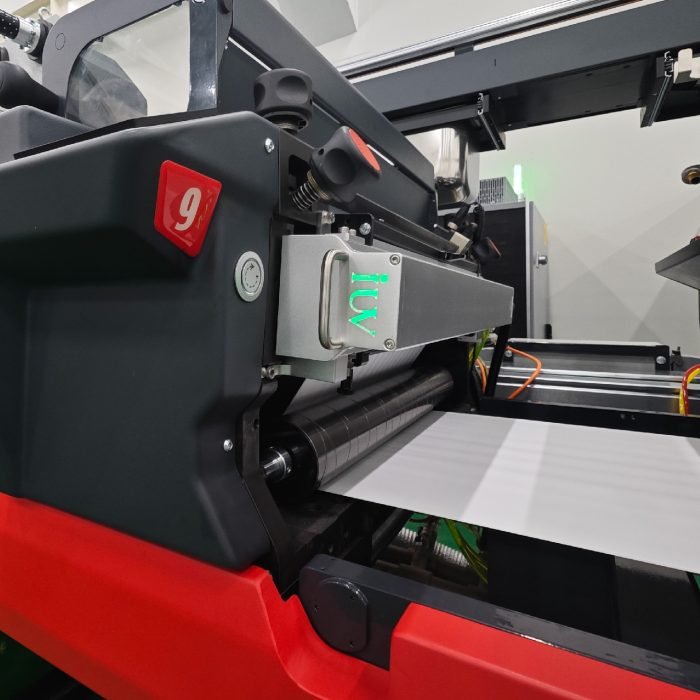
In the ever-evolving world of printing, keeping up with new technologies is essential to stay competitive. One such advancement that is revolutionizing the printing industry is LED UV curing. This technology is not only enhancing print quality but also improving production efficiency and reducing overall costs. Whether you’re involved in flexographic, offset, or narrow-web printing, LED UV curing offers numerous advantages. In this article, we will explore how LED UV curing systems are transforming the printing process, providing faster production times, lower energy consumption, and better cost-effectiveness.
What is LED UV Curing?
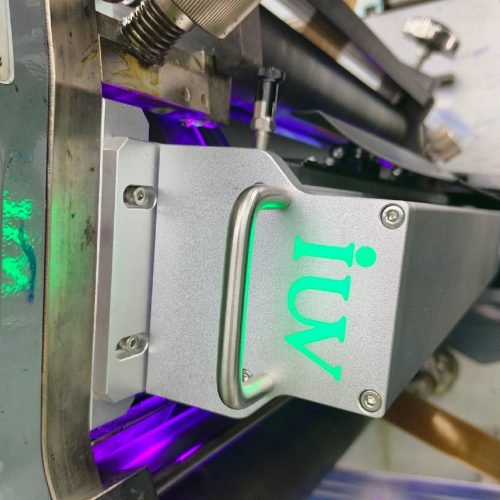
LED UV curing refers to a printing technique that uses ultraviolet light to instantly dry or cure ink, coatings, and adhesives. Unlike traditional drying methods that rely on heat or evaporation, LED UV curing uses a more efficient, focused light source to initiate a photochemical reaction that cures the printed materials almost immediately.
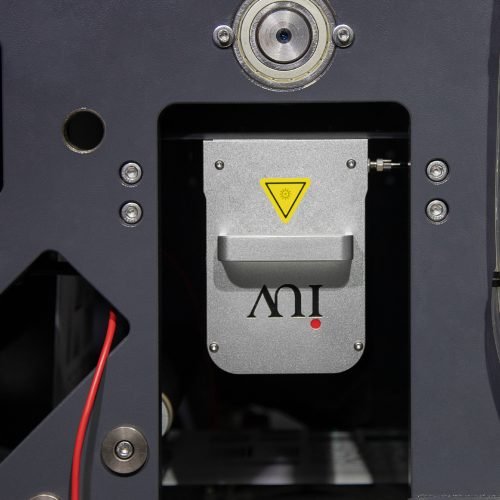
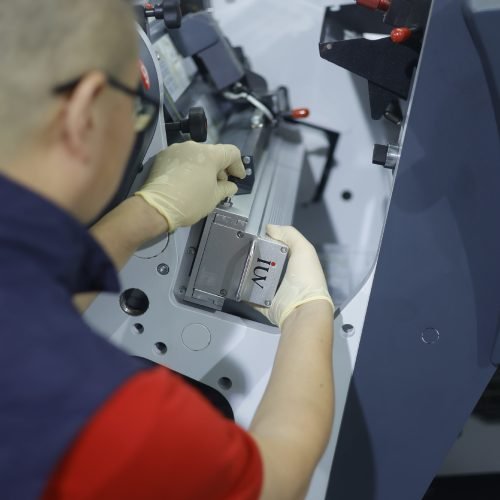
LED UV curing systems use light-emitting diodes (LEDs) to produce UV light, which is typically more energy-efficient and durable than traditional mercury-based UV lamps. This shift to LED technology brings significant improvements in print quality, speed, and operational cost-effectiveness.
Advantages of LED UV Curing Systems in Printing
1. Faster Drying Times
The primary advantage of LED UV curing is its ability to drastically reduce drying times. Traditional drying methods often take a considerable amount of time for inks and coatings to fully dry, which can delay the overall production process. In contrast, LED UV curing instantly hardens the ink as soon as it is exposed to the UV light. This rapid curing not only accelerates production but also eliminates the need for additional drying steps, resulting in faster turnaround times for customers and higher production rates for printers.
2. Energy Efficiency
LED UV curing systems are far more energy-efficient compared to traditional UV systems. The LED lamps consume less electricity, as they only produce the specific wavelengths required to cure the ink, unlike mercury lamps that produce a broad spectrum of light. Additionally, LED lamps generate very little heat, meaning printers don’t need to invest in additional cooling systems or worry about excess energy consumption during the printing process. This energy efficiency translates into significant cost savings over time.
3. Lower Heat Output
One of the challenges in traditional UV curing systems is the excess heat produced by the mercury lamps. This heat can cause deformation or damage to sensitive substrates, particularly in narrow-web printing or when working with heat-sensitive materials. With LED UV curing, the heat output is significantly reduced, making it safer to use on a wider range of materials, including thin or heat-sensitive substrates. This capability enables printers to expand the range of products they can print on without worrying about material degradation.
4. Reduced Operating Costs
LED UV curing systems are more durable than their mercury-based counterparts. LED lamps typically last longer, with some units offering up to 20,000 hours of use, compared to only 1,000-2,000 hours for traditional UV lamps. This longer lifespan means less frequent replacement costs and less downtime for maintenance. Furthermore, LED lamps operate cooler and are less likely to require the complex cooling systems that traditional UV lamps do, leading to further cost reductions in the long run.
5. Superior Print Quality
In printing processes such as flexographic, offset, and narrow-web printing, achieving high-quality output is essential. LED UV curing systems provide a more controlled curing process, ensuring consistent adhesion and vibrant color reproduction. The instant curing action prevents smudging or blurring, making it ideal for fine details and intricate designs. This is especially important in narrow-web printing, where precision is critical.
Applications in Different Printing Technologies
1. Flexographic Printing
Flexographic printing is one of the most common types of printing used in packaging, labels, and other commercial products. Traditional flexo printing often relies on solvent-based inks, which can take time to dry and can result in higher production costs. LED UV curing offers a significant advantage in flexographic printing by enabling faster drying and curing times, as well as reducing the need for solvent-based inks. This results in a cleaner, more environmentally friendly process with faster production times and reduced costs.
2. Offset Printing
In offset printing, LED UV curing systems can also offer benefits, particularly for high-volume runs where speed is crucial. The ability to instantly cure the ink means that printed sheets can be stacked immediately without fear of smudging or damaging the print. This technology is also beneficial in improving adhesion to non-porous materials, such as plastic or metal, which are difficult to print on with traditional inks. LED UV curing enhances print quality on these challenging substrates and enables faster throughput.
3. Narrow-Web Printing
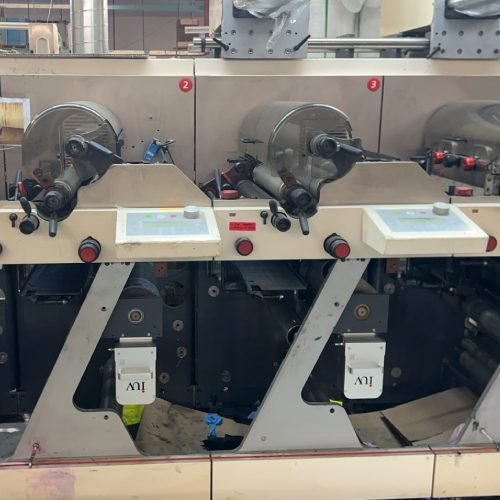
Narrow-web printing, commonly used in label production, benefits greatly from LED UV curing. The narrow-web process often involves high-speed production lines, and the need for fast drying and curing of inks is critical. LED UV curing systems allow for quick curing at high speeds, making it possible to print large volumes of labels and tags in a fraction of the time required by conventional methods. Additionally, the ability to print on a variety of materials—ranging from films to paper to foil—further enhances the flexibility of narrow-web printing.
Environmental Benefits of LED UV Curing
Another significant advantage of LED UV curing is its environmental impact. Traditional UV curing systems require the use of mercury vapor lamps, which are not only energy-inefficient but also harmful to the environment when disposed of. LED lamps, on the other hand, are free from mercury and other hazardous materials. This makes LED UV curing a safer and more eco-friendly option for print shops aiming to reduce their environmental footprint.
Additionally, LED UV curing systems emit far less heat, reducing the need for air conditioning and other cooling systems that consume additional energy. This reduction in energy use helps to make LED UV curing systems a more sustainable choice for modern print operations.
Conclusion
LED UV curing technology is rapidly becoming a game-changer in the printing industry. It offers numerous benefits, including faster curing times, lower energy consumption, longer lamp life, and improved print quality. These advantages make LED UV curing an attractive option for a wide range of printing applications, from flexographic and offset to narrow-web printing.
By adopting LED UV curing systems, printers can streamline their operations, improve production efficiency, and significantly reduce operating costs. As the demand for faster, higher-quality prints continues to grow, LED UV curing will play a central role in shaping the future of the printing industry. Whether you’re a large print operation or a small label producer, LED UV curing is a smart investment that can drive long-term growth and sustainability in the competitive world of printing.