Mastering LED UV Curing System Maintenance for Peak Print Performance
In today’s fast-paced printing environment, efficiency and quality are paramount. LED UV curing systems offer incredible advantages for label, flexographic, and offset printing. They provide instant drying, vibrant colors, and excellent durability. However, to unlock their full potential, consistent and proper maintenance is key. Neglecting your LED UV curing system can lead to unexpected downtime and compromised print quality. This guide outlines essential maintenance practices to keep your narrow web and sheetfed operations running smoothly.
The Foundation of Reliable Curing: Understanding Your System
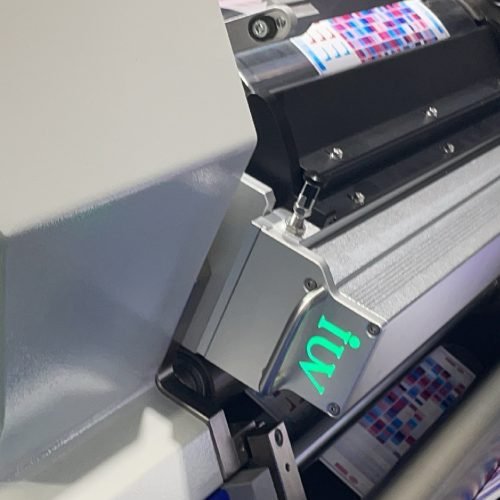
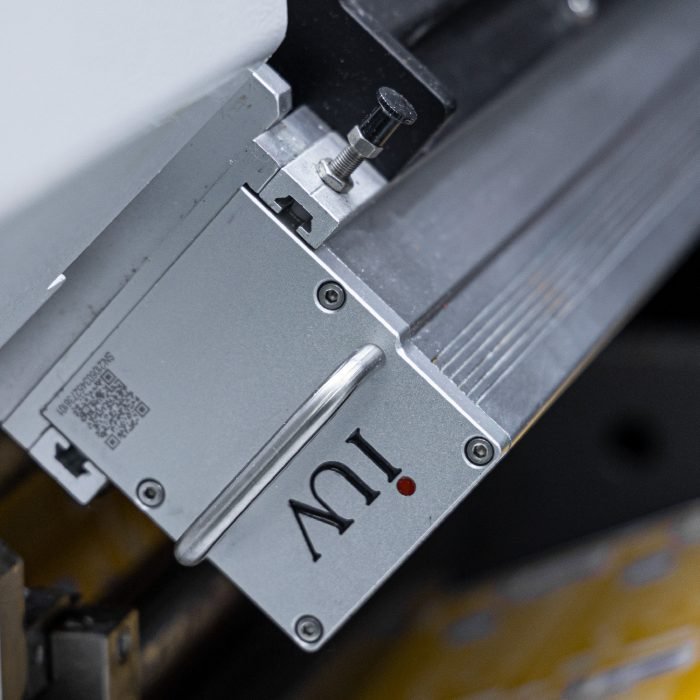
Before diving into maintenance, a basic understanding of your LED UV curing system is beneficial. These systems use light-emitting diodes (LEDs) to emit UV light. This light initiates a photochemical reaction in UV-curable inks, coatings, and adhesives. This process rapidly dries and hardens the material. Key components include the LED lamp heads, power supply units, cooling systems, and control electronics. Regular checks of these parts ensure optimal performance.
Daily Checks: Your First Line of Defense
Establishing a routine for daily checks is crucial. This proactive approach catches minor issues before they escalate.
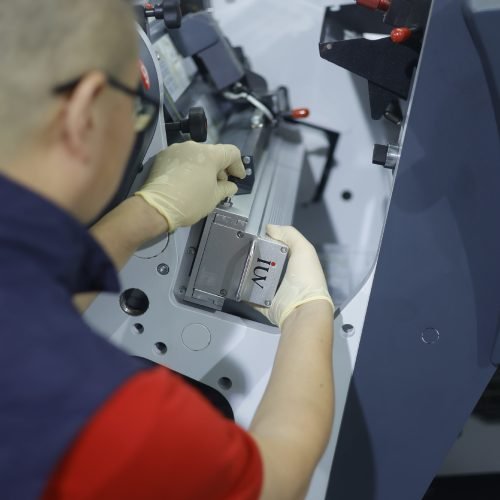
- Visual Inspection: After each production run, visually inspect the LED lamp heads. Look for any signs of physical damage, debris, or discoloration on the LED surface. Dust and ink residues can block UV light. Gently clean them with a lint-free cloth and an approved cleaning solution if necessary. Always ensure the system is powered off and cool before cleaning.
- Cooling System Check: LED UV systems generate heat. The cooling system, usually air or water, is vital for preventing overheating. Check coolant levels if you have a water-cooled system. Ensure air vents are clear of obstructions. Listen for any unusual noises from fans or pumps. A well-maintained cooling system prolongs LED life.
- Interlock and Safety Features: Verify that all safety interlocks are functioning correctly. These are critical for operator safety. Ensure that guards are in place and properly secured.
Weekly Maintenance: Deeper Dives for Longevity
Beyond daily checks, a more thorough inspection can be performed weekly. This ensures all aspects of the system are functioning as intended.
- Connection Integrity: Examine all electrical and fluid connections. Ensure they are secure and free from leaks or corrosion. Loose connections can lead to intermittent performance or complete failure.
- Filter Cleaning/Replacement: If your system uses air filters, check and clean or replace them as per the manufacturer’s recommendations. Dirty filters restrict airflow, impacting cooling efficiency. For water-cooled systems, inspect water filters for blockages.
- Software and Control Panel: Briefly review the system’s control panel and any associated software. Check for error messages or performance alerts. Ensure the settings are appropriate for your current job. A quick review can prevent issues during critical print runs.
Monthly and Quarterly Deep Cleans and Checks
These more involved maintenance tasks require a bit more time but significantly contribute to the system’s lifespan and consistent output.
- Thorough Cleaning: A comprehensive cleaning of the LED heads, reflectors, and housings is recommended. Accumulation of contaminants can significantly reduce UV output intensity. Use specialized cleaning solutions recommended by your system manufacturer.
- Alignment Verification: For systems with multiple LED heads or complex geometries, verifying alignment is important. Misalignment can lead to uneven curing across the substrate, causing adhesion or durability problems, especially in narrow web applications.
- Coolant Analysis (Water-Cooled Systems): If you have a water-cooled system, consider having the coolant analyzed quarterly. This checks for contamination or degradation that could harm the system’s cooling capacity. Replace the coolant according to the manufacturer’s schedule.
- Performance Monitoring: Track key performance indicators like UV intensity and energy consumption. Deviations from baseline values can indicate an impending issue. Many modern systems offer built-in monitoring tools.
Addressing Common Issues Proactively
Recognizing common problems and knowing how to address them can save you valuable production time.
- Uneven Curing: This can stem from dirty LED heads, misaligned heads, or insufficient power. Ensure thorough cleaning and check alignment. Verify power settings for the specific ink and substrate combination.
- Reduced Curing Speed: If your inks are not curing as quickly as they used to, it could be due to a degradation of LED output, contamination, or cooling issues. Check for debris on the LEDs and ensure the cooling system is optimal.
- Overheating: This is almost always a cooling system problem. Check fans, pumps, coolant levels, and air filters. Blocked airflow or low coolant will quickly lead to overheating.
The Role of Preventative Maintenance Schedules
Creating and adhering to a preventative maintenance schedule is non-negotiable for any printing operation relying on LED UV curing.
- Manufacturer Guidelines: Always refer to your specific LED UV curing system’s operation and maintenance manual. The manufacturer provides the most accurate and detailed information for your equipment.
- Record Keeping: Maintain detailed records of all maintenance performed, including dates, tasks completed, and any parts replaced. This log is invaluable for troubleshooting and tracking the system’s history.
- Training: Ensure your operators and maintenance staff are properly trained on the specific procedures for your LED UV curing system. Knowledgeable staff can identify potential problems early and perform routine tasks efficiently.
Conclusion: Invest in Maintenance, Reap the Rewards
Investing time and resources into the proper maintenance of your LED UV curing systems is not an expense, but a strategic advantage. For label printing, flexographic presses, and offset machines, consistent curing is fundamental to delivering high-quality, durable prints. By implementing these best practices, you ensure reliability, minimize downtime, reduce waste, and maximize the return on your investment. Keep your LED UV curing systems clean, cool, and well-maintained, and they will consistently deliver brilliant results for your printing business.